Compare 5 commercial roofing systems with condominium roofing contractors Florida boards trust. See TPO, mod bit and metal pros, cons and costs. Free quote.
"Did You Know? The U.S. Department of Energy reports that a conventional roof can reach 150°F or more on a sunny summer afternoon, while a reflective roof under the same conditions can stay more than 50°F cooler. On a Florida condominium with a huge, flat roof sitting above hundreds of residents’ air conditioning, that gap is not trivia. It changes which roofing system makes financial sense. Source: U.S. Department of Energy – Cool Roofs"
Your condo board has a leaking roof and three proposals that disagree with each other. One contractor says TPO. Another swears by modified bitumen. A third wants to coat it and “buy you two more years.” Who is right?
The short answer: for most flat or low-slope Florida condominium roofs, the best roofing system is a reflective single-ply membrane such as TPO, or a multi-ply modified bitumen system. Metal is the stronger choice on sloped sections, and PVC earns its price where grease or chemicals hit the roof. What matters just as much as the material is who installs it. Experienced condominium roofing contractors Florida associations can verify for licensing, wind-code knowledge and warranty support will outperform a “better” material installed badly.
This guide compares five commercial roofing options side by side, shows how to match a system to your building, and explains how to vet condominium roofing contractors Florida boards can trust. It is written for board members, property managers and owners who have to defend the decision to every unit owner.
Why Condominium Roofing in Florida Is Different From Roofing Anywhere Else
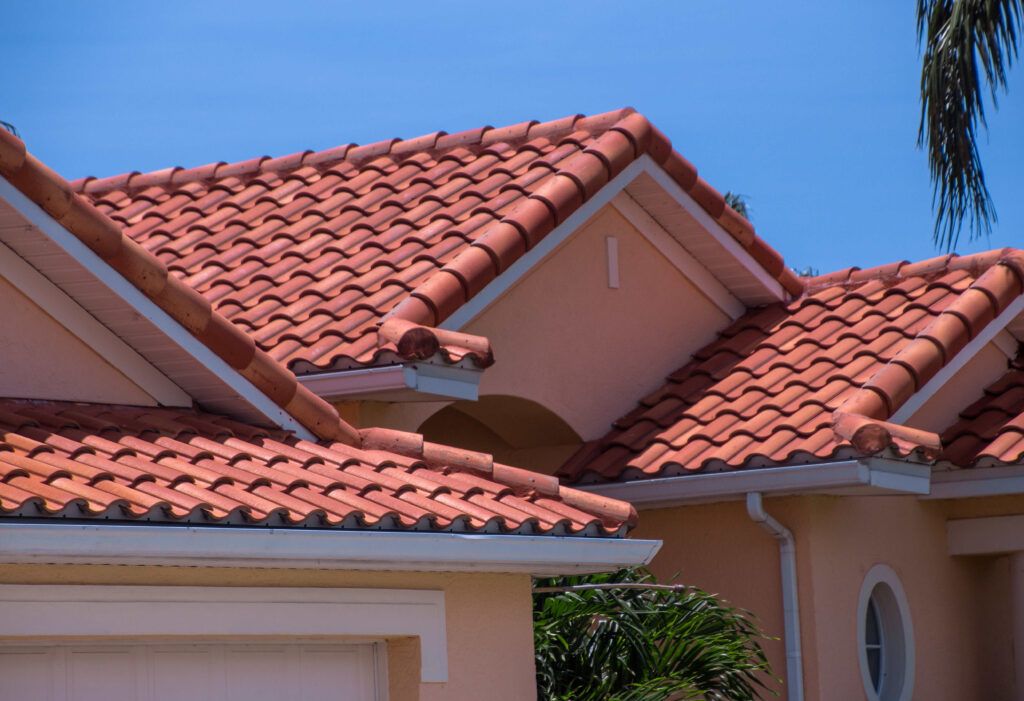 A Florida condo roof works harder than almost any commercial roof in the country. It takes direct sun for most of the year, afternoon downpours that arrive in minutes, salt-laden air near the coast, and a hurricane season that runs from June 1 to November 30.
The rules are tighter here too. In Miami-Dade and Broward counties, the Florida Building Code’s High-Velocity Hurricane Zone provisions apply, which means stricter product approvals and installation requirements. Outside those counties, wind-uplift ratings and fastening patterns still decide whether a roof survives a named storm or peels back like a sardine can.
Then there is ownership. A condo roof is a shared asset. Every owner pays for it through reserves or special assessments, and every top-floor owner feels it first when it leaks. Florida’s condominium safety laws added more pressure: many associations now complete structural integrity reserve studies, and the roof is one of the building components those studies cover. A roof decision is no longer just maintenance. It is a funding, insurance and legal decision.
That is why the search for qualified condominium roofing contractors Florida wide starts with one question: which system will still be performing when the next board is in office?
What Condominium Roofing Contractors in Florida Evaluate Before Recommending a System
A commercial roofing system for a Florida condominium is the complete assembly (deck, insulation, membrane or panels, flashings, drainage and fastening) rated to resist high wind, heavy rain and intense UV for the life of the warranty.
Before any contractor names a material, a good one looks at six things:
Wind uplift and storm rating. Can the assembly meet the code that applies to your county?
Reflectivity and heat. A cool roof lowers rooftop temperature and can reduce cooling demand.
Drainage. Ponding water shortens the life of nearly every flat-roof membrane.
Foot traffic and rooftop equipment. Pool-deck mechanicals, HVAC units and service visits wear membranes down.
Disruption to residents. Odor, noise, torch work and crane scheduling all matter when people live under the roof.
Total life-cycle cost. The cheapest bid is rarely the cheapest roof over 20 years.
If a proposal skips most of these, you are looking at a price quote, not a roofing plan.
5 Commercial Roofing Options for Florida Condominiums, Compared
Here is how the five most common systems perform on Florida condo roofs.
Option 1: TPO Roofing for Florida Condominiums (What South Florida Contractors Recommend Most)
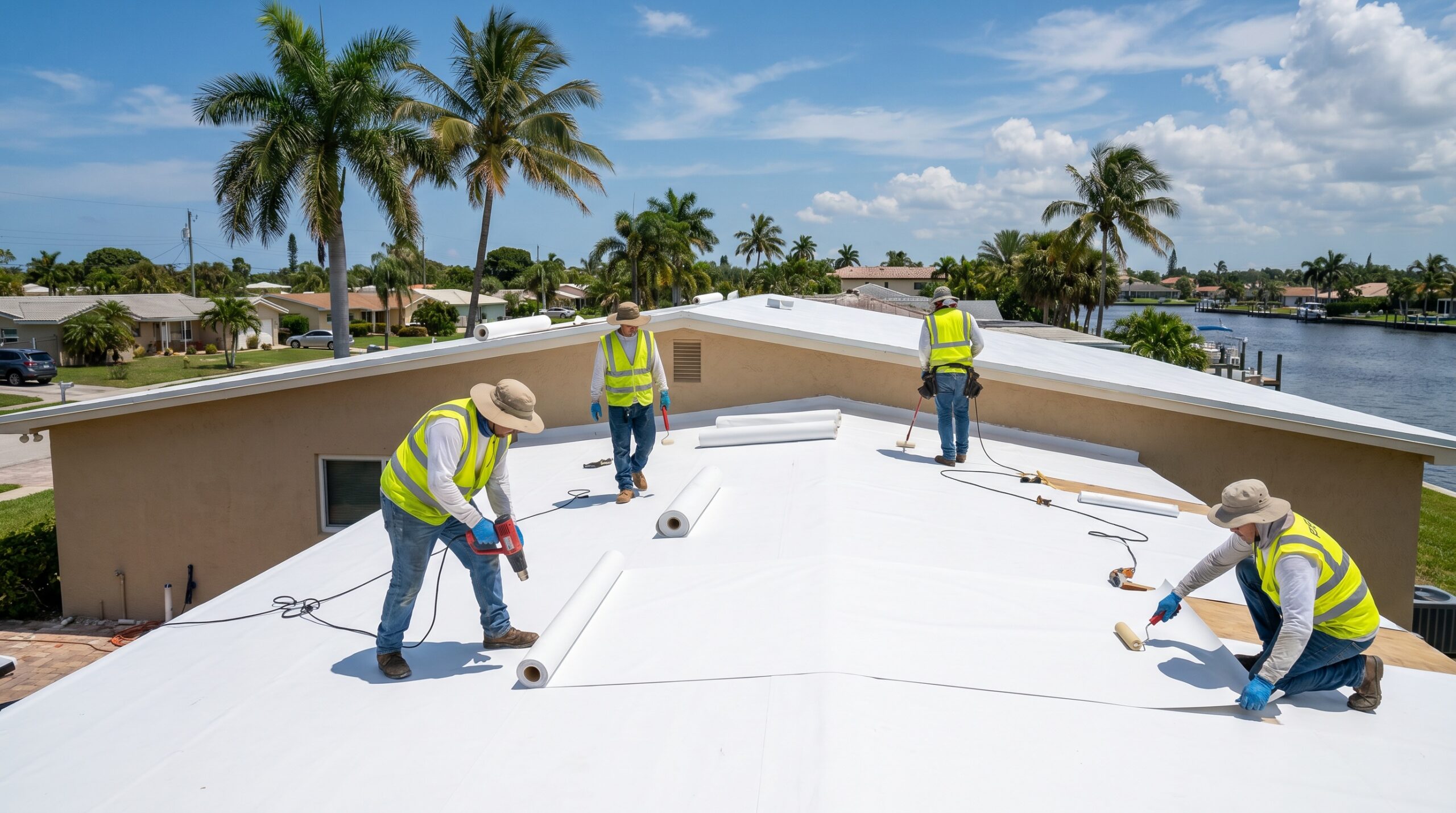
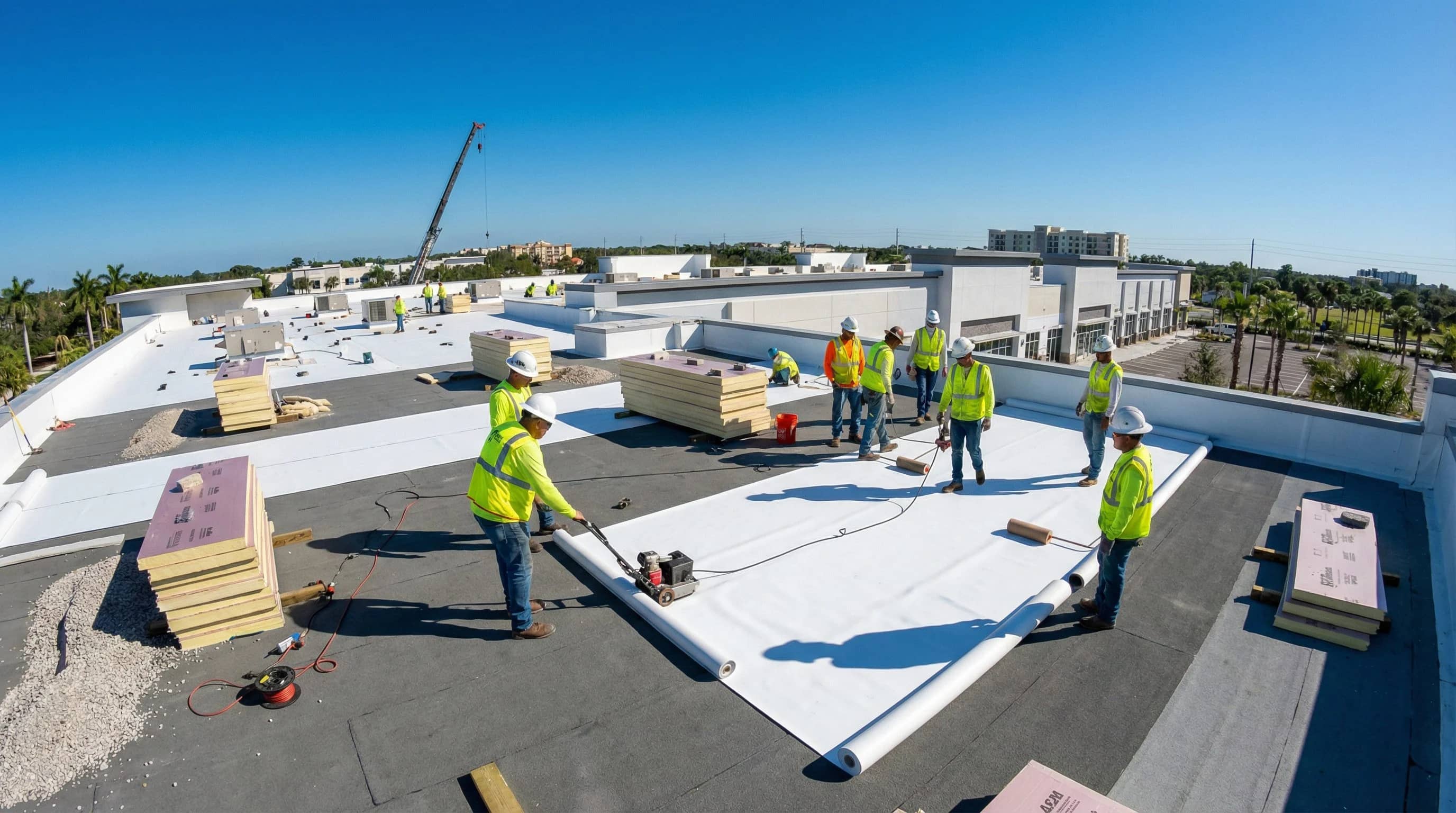
TPO is a white thermoplastic single-ply membrane with heat-welded seams. It reflects sunlight, installs quickly, and usually costs less than PVC. That combination explains why TPO roofing contractors South Florida condo associations call most often tend to lead with it.
Best for: large, flat or low-slope condo roofs where energy performance and budget both matter.
Watch for: seam quality. A TPO roof is only as good as its welds, so installer skill and manufacturer-backed inspections matter. Heavy grease or chemical exhaust can also degrade the membrane.
Berg’s TPO roofing service covers installation and replacement for commercial and multi-family properties.
Option 2: Modified Bitumen for Florida Condo Roofs (Proven Durability Underfoot)
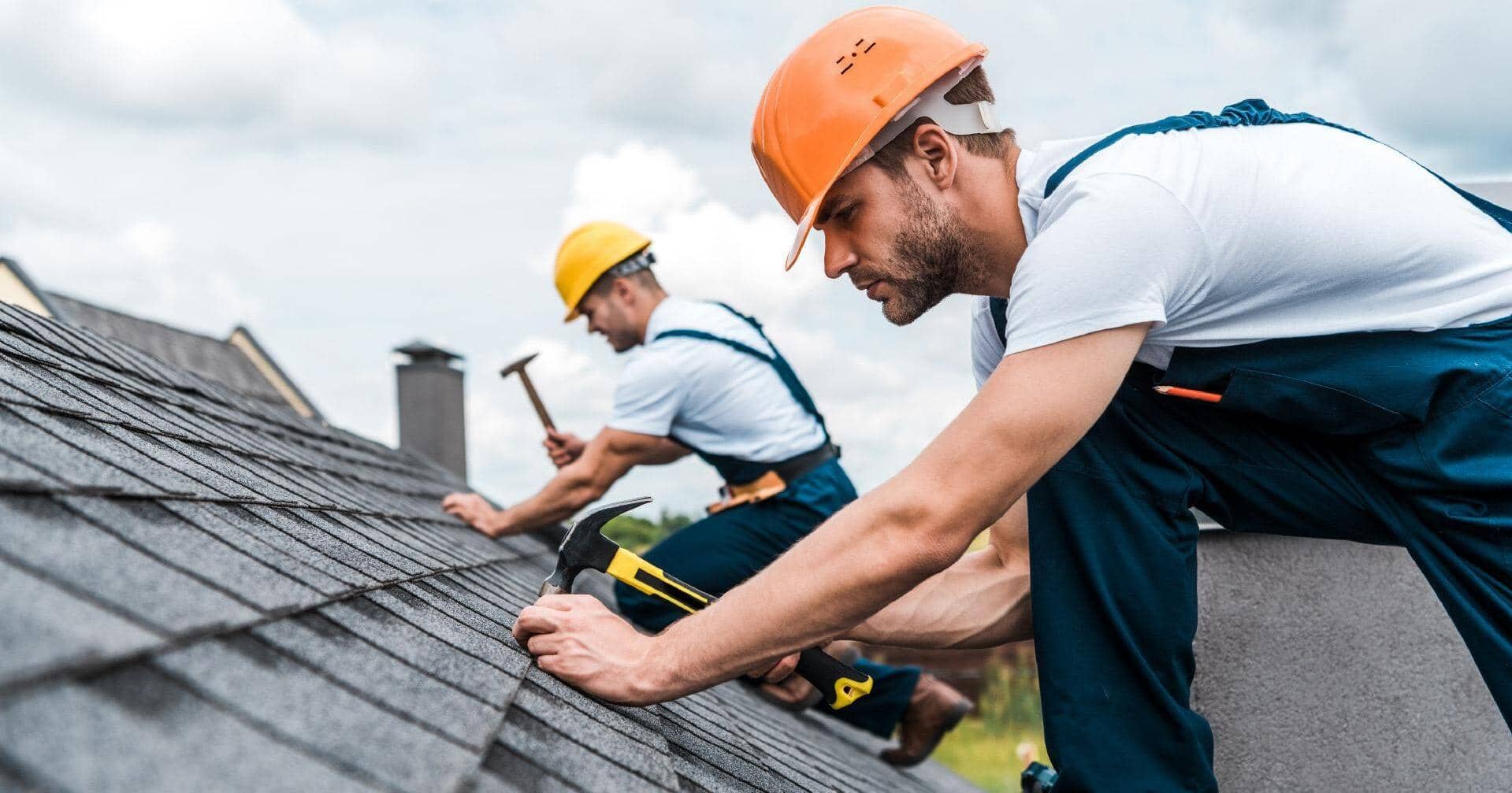
Modified bitumen is an asphalt-based membrane reinforced for flexibility and applied in layers. It can be torch-applied, cold-applied with adhesives, or self-adhered. Because it is layered, it offers built-in redundancy, and it tolerates foot traffic well. That is useful on condo roofs where AC technicians, pool-equipment crews and inspectors walk the surface regularly. Modified bitumen roofing contractors Florida property managers rely on will often recommend cold-applied or self-adhered versions for occupied buildings to avoid open-flame work.
Best for: roofs with frequent traffic, multiple penetrations, or owners who value a thicker, multi-ply assembly.
Watch for: reflectivity. A standard dark membrane absorbs heat, so ask for a reflective granulated cap sheet or a compatible reflective coating. Laps and flashings need careful detailing.
See how Berg approaches modified bitumen roofing on commercial and condo projects.
Option 3: PVC Roofing for Florida Condominium Buildings With Chemical or Grease Exposure
PVC is a welded single-ply membrane like TPO, with stronger resistance to oils, fats and many chemicals. If your condo has a ground-floor restaurant exhausting onto the roof, PVC deserves a serious look. It costs more than TPO, so it is a targeted choice rather than a default.
Best for: mixed-use condominiums, roofs near kitchen exhaust, buildings where long-term chemical resistance justifies a higher upfront price.
Watch for: cost, and verifying that your contractor has real PVC installation experience rather than treating it as a TPO substitute.
Option 4: Standing-Seam Metal Roofing for Florida Condominium Pitched and Mansard Sections
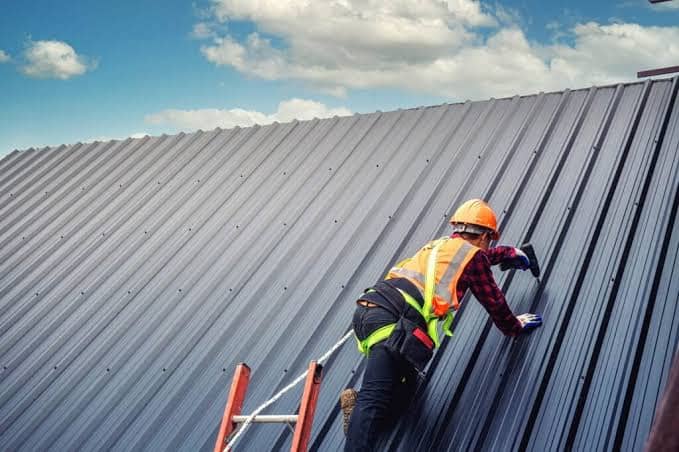
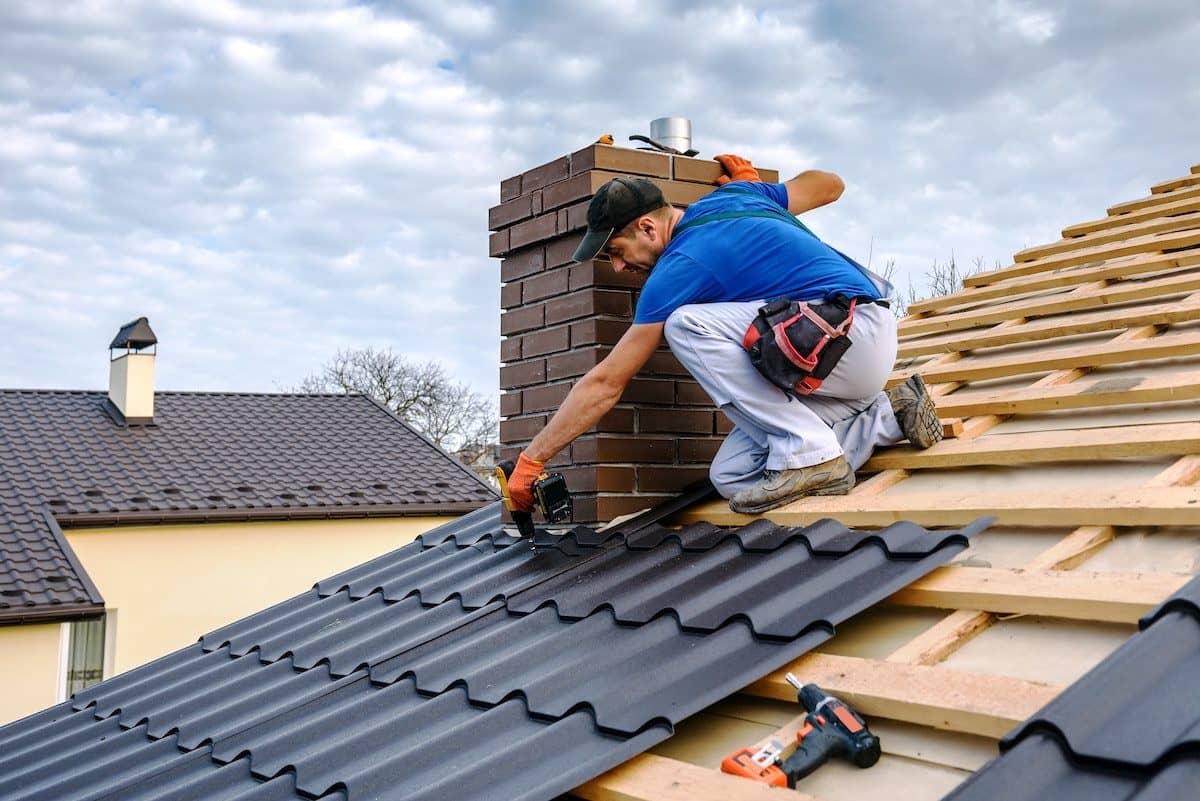
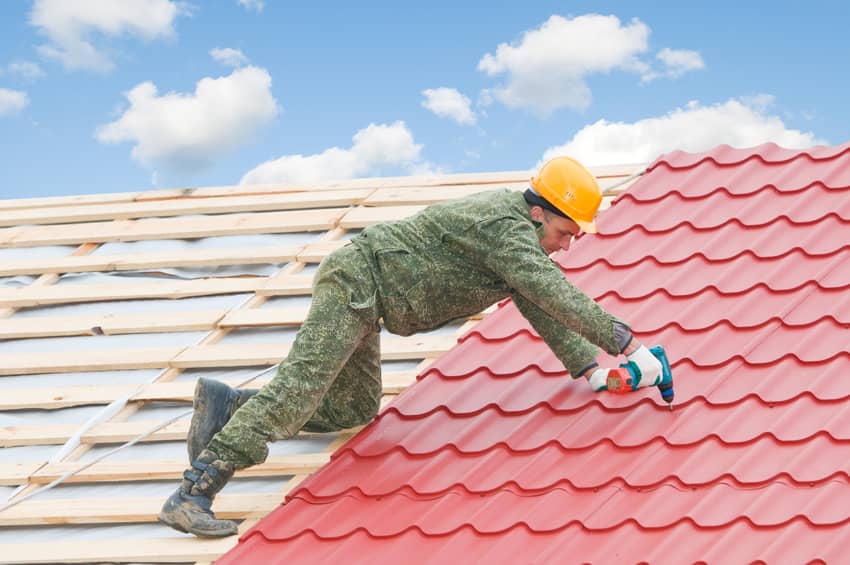
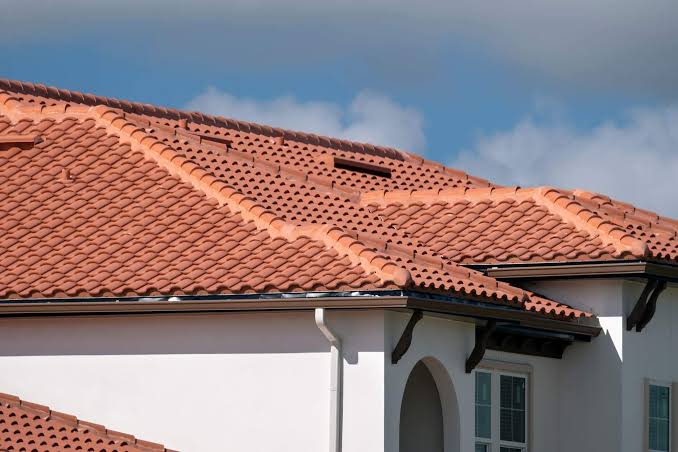
Metal is the longevity champion. Standing-seam panels with concealed fasteners handle wind well when they are engineered and attached correctly, and they can last decades. They only work on roofs with enough pitch, so they suit mansard sections, tower caps and sloped condo roofs rather than truly flat decks. Coastal buildings need the right alloy and coating to resist salt corrosion.
Best for: sloped condo roofs and architectural sections where lifespan outweighs upfront cost.
Watch for: the highest first cost of the five, and corrosion if a coastal-rated finish is skipped.
Explore Berg’s commercial metal roofing options for sloped sections.
Option 5: Built-Up Roofing for Florida Condominium Roofs (The Old Reliable)
Built-up roofing (BUR) layers asphalt and reinforcing fabric into a thick, redundant surface. It has a long track record and resists punctures well. The trade-offs are weight, installation disruption and a shrinking pool of crews who still install it well.
Best for: buildings that can carry the weight and owners who want a time-tested multi-layer assembly.
Watch for: hot-asphalt odor and scheduling around residents, and lower reflectivity unless it is surfaced or coated for heat.
Side-by-Side: Which Condo Roofing System Wins on What?
| System | Typical service life | Reflectivity | Upfront cost | Best Florida condo fit |
|---|---|---|---|---|
| TPO | Often 20+ years | High (white) | Moderate | Large flat/low-slope roofs |
| Modified bitumen | Roughly 15–25 years | Moderate (high with reflective cap or coating) | Moderate | High-traffic roofs, many penetrations |
| PVC | Often 20+ years | High | Moderate to high | Grease/chemical exposure |
| Standing-seam metal | 40+ years | Moderate to high | Highest | Sloped and mansard sections |
| Built-up (BUR) | Roughly 20–30 years | Low unless coated | Moderate to high | Buildings wanting multi-layer redundancy |
Low-Slope Roofing Contractors Florida Condos Need: Why Slope and Drainage Decide the Winner
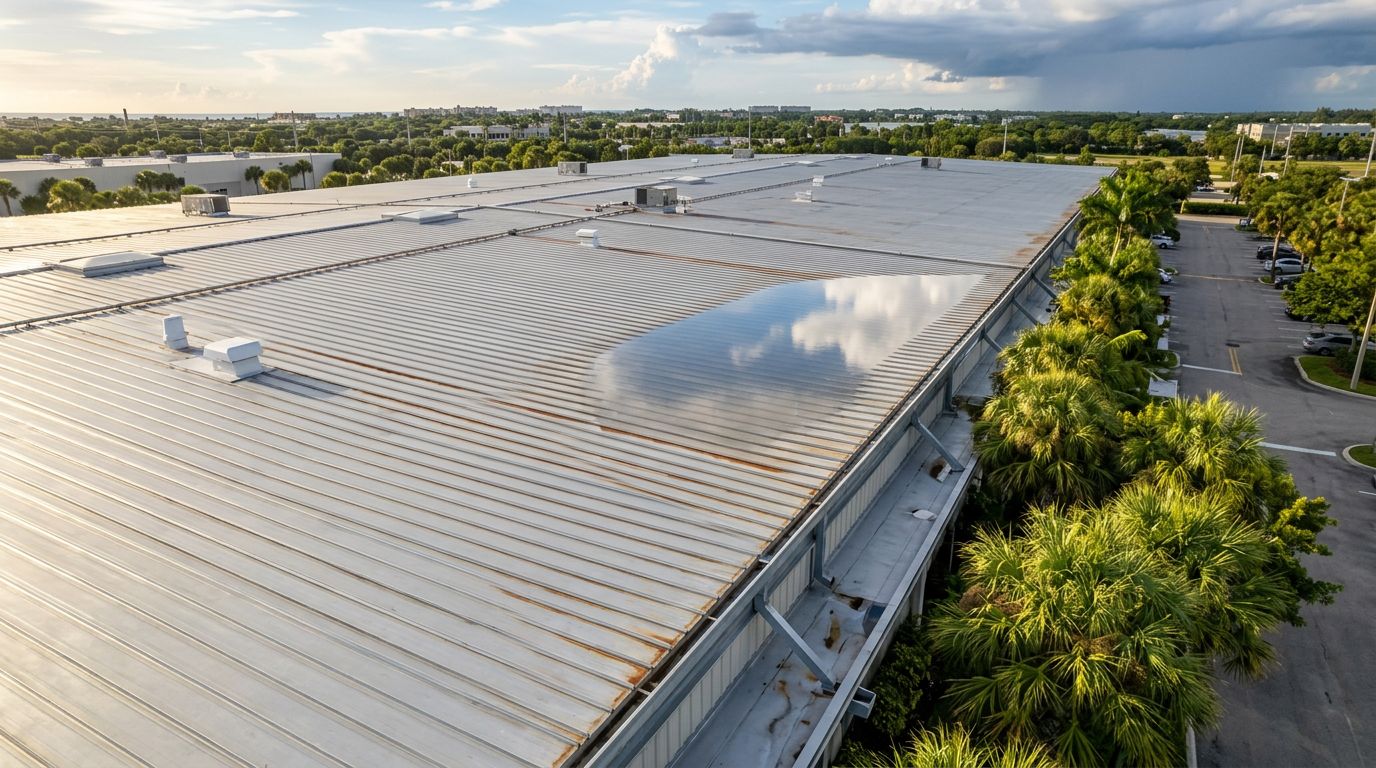 Most mid-rise and high-rise condominiums have flat or low-slope roofs. The Department of Energy treats roofs steeper than 2:12 as “steep,” so anything at or below that pitch is low-slope and drains slowly. That is where problems begin.
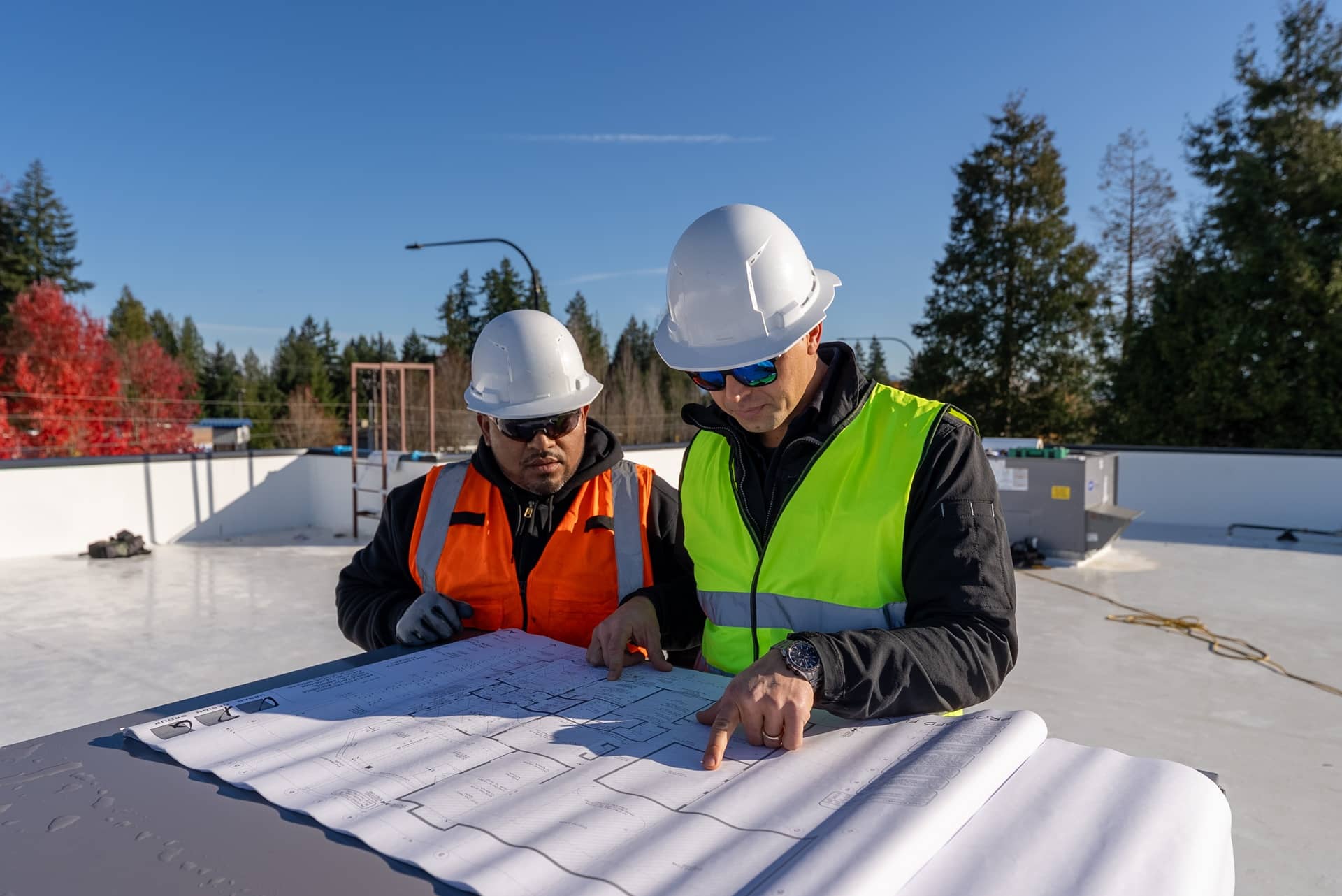
Qualified low-slope roofing contractors Florida associations hire spend as much time on drainage as on the membrane. They check for ponding, undersized scuppers, clogged drains, and insulation that has soaked up water. Tapered insulation, added drains and properly detailed edges often matter more than the membrane brand.
A few warning signs that your condo roof is past repair and heading for replacement:
Water stains on top-floor ceilings after every storm
Standing water 48 hours after rain
Blistering, open seams or shrinking flashings
Repeated patching in the same spots
Our guides on warning signs your commercial roof needs an inspection and signs a commercial flat roof needs replacement walk through each one. If the roof is aging but structurally sound, roof coating and waterproofing may extend its life. If it is saturated, restoration only delays the bill, and a commercial roof replacement is the honest answer.
Expert Insight: Based on working with South Florida condominium associations and property managers, I have consistently seen boards overspend on premium materials while underspending on drainage and flashing details. The membrane gets the attention, but water usually finds its way in at a penetration, a parapet or a drain. Ask every bidder to show you how they will detail those spots.
Which Roofing System Fits Your Florida Condominium? A Decision Guide for Boards
Pro Tips for condo boards:
Get at least three written scopes, not three prices. If the scopes differ, the bids cannot be compared.
Ask each bidder for the wind-uplift rating of the proposed assembly and the code basis for it.
Request the manufacturer warranty in writing and confirm who pays for labor if a seam fails.
Schedule work outside peak hurricane season when you can, and ask how the contractor protects the building if a storm forms mid-project.
Order a documented inspection before deciding between repair, coating or replacement. Berg’s roof inspections and compliance reports give boards paperwork they can share with owners and insurers.
| Your situation | Strongest starting point |
|---|---|
| Large flat roof, energy costs matter, tight budget | TPO |
| Heavy foot traffic, many rooftop units and penetrations | Modified bitumen |
| Restaurant or chemical exhaust onto the roof | PVC |
| Sloped, mansard or tower roof sections | Standing-seam metal |
| Board wants thick multi-layer redundancy | Built-up roofing or modified bitumen |
| Roof is aging but dry and sound | Inspection first, then coating if the deck passes |
Common Mistakes When Hiring Condominium Roofing Contractors in Florida
Choosing on price alone. A low bid often leaves out tapered insulation, drain upgrades or permit costs.
Skipping the license and insurance check. Verify the license with the state and ask for a current certificate of insurance naming the association.
Ignoring multi-family experience. Condo work involves resident notices, access control, noise windows and board reporting. Single-family roofers rarely have the process.
Accepting a verbal warranty. If it is not on paper, it does not exist.
Overlooking maintenance. Even the best roof fails early without inspections and cleaning. Read our breakdown of whether a roof maintenance plan is worth it before you sign off on a reserve budget.
How to Vet Condominium Roofing Contractors Florida Associations Can Trust
Use this checklist for every finalist:
Active Florida roofing or general contractor license, verified on the state licensing site
General liability and workers’ compensation coverage, with a certificate naming your association
Documented experience on condominium and HOA properties of similar size (see Berg’s HOA roofing work for context)
Manufacturer certification for the specific system proposed, whether TPO, modified bitumen, PVC or metal
A written scope covering tear-off, deck repair, insulation, drainage, flashings, permits and cleanup
Clear communication plan for residents, including start dates, noise windows and parking or access limits
An ongoing relationship: scheduled maintenance programs and storm response, not just installation
Why Florida Condo Boards Choose Berg General Contractors for Condominium Roofing
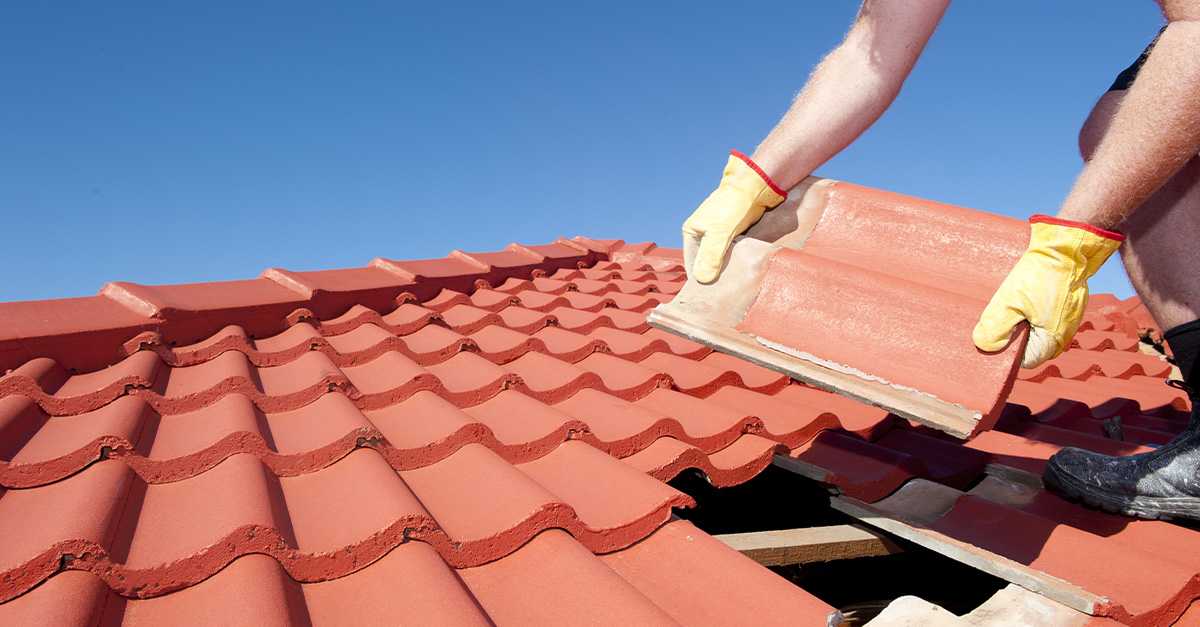 Berg General Contractors works with condominium associations, HOAs and property managers across South Florida, handling the full range of commercial low-slope systems discussed above, from TPO and modified bitumen to metal on sloped sections. As a general contractor, not just a roofing crew, Berg coordinates deck repair, drainage, flashing, permitting and closeout under one accountable team.
Here is what boards typically get when they work with us:
A system recommendation tied to your building, not a one-size-fits-all pitch
Documented inspections you can share with owners, insurers and engineers
Phased planning that respects residents’ schedules
Storm readiness, including storm and emergency roofing response when a hurricane or tropical system hits
Dedicated condo expertise through our condominium roofing team
We serve properties in Miami, Fort Lauderdale, Boca Raton, West Palm Beach and surrounding communities. If you are comparing condominium roofing contractors Florida wide, ask us the same questions this article asks of every bidder. We expect to be held to them.
Next Step: Get a Condo Roof Assessment From Florida Contractors Who Know Low-Slope Systems
The best roofing system for your Florida condominium is the one matched to your slope, traffic, exposure and budget, and installed by a team that will still answer the phone five years from now. TPO and modified bitumen cover most flat roofs. Metal handles the sloped sections. PVC solves chemical problems. Whatever you choose, get the inspection, the written scope and the warranty on paper.
Ready to compare options for your building? Contact Berg General Contractors for a condominium roof assessment and a written recommendation your board can take to its owners.