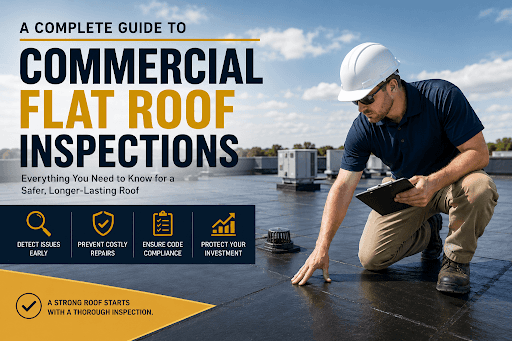
Notice leaks, ponding water, or rising energy bills? These are 5 signs your commercial roof needs an inspection now. See what Berg checks and what it costs.
5 Warning Signs Your Commercial Roof Needs an Inspection Right Now
A commercial roof rarely fails without warning. Long before a leak shows up in the middle of a workday, the roof has usually been sending signals: a stain on a ceiling tile, a musty smell near the HVAC closet, an energy bill that keeps creeping up. The property owners who catch these signals early are the ones who pay for a repair. The ones who don't are the ones who end up paying for a replacement, or worse, dealing with interior damage, tenant complaints, and downtime.
If you manage or own a commercial building in Florida, your roof is working overtime. Between summer heat, UV exposure, heavy rain, and hurricane season, Florida roofs age faster than roofs almost anywhere else in the country. That is exactly why roof inspection services exist: to catch small problems while they are still cheap to fix.
Below are five warning signs that mean it is time to schedule a professional roof inspection, not next quarter, but now.
1: Water Stains or Leaks Inside the Building
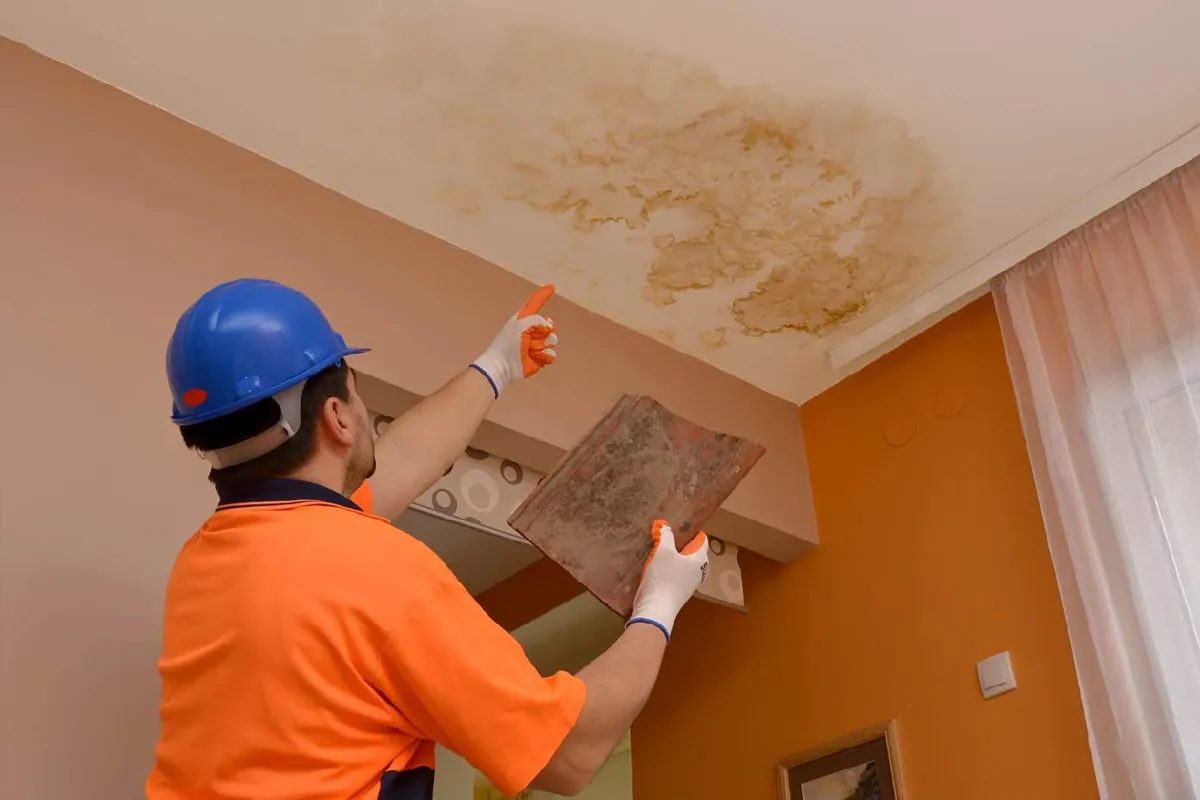
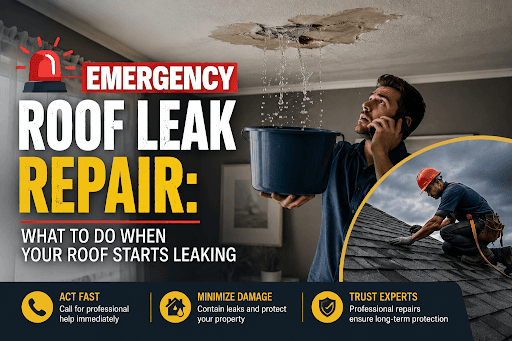
This is the most obvious sign, and also the one people wait too long to act on. A yellow or brown ring on a ceiling tile, a bubbling patch of paint, or a damp smell in a storage room usually means water has already found a way through the roof assembly and has been sitting there for a while.
By the time you can see a stain, the water has often traveled sideways along the deck or insulation before dripping down, which means the actual entry point on the roof could be several feet away from where the stain shows up indoors. That is one of the biggest reasons a DIY walk on the roof rarely finds the real problem. A trained inspector traces the path, not just the symptom.
2: Standing Water That Won't Drain
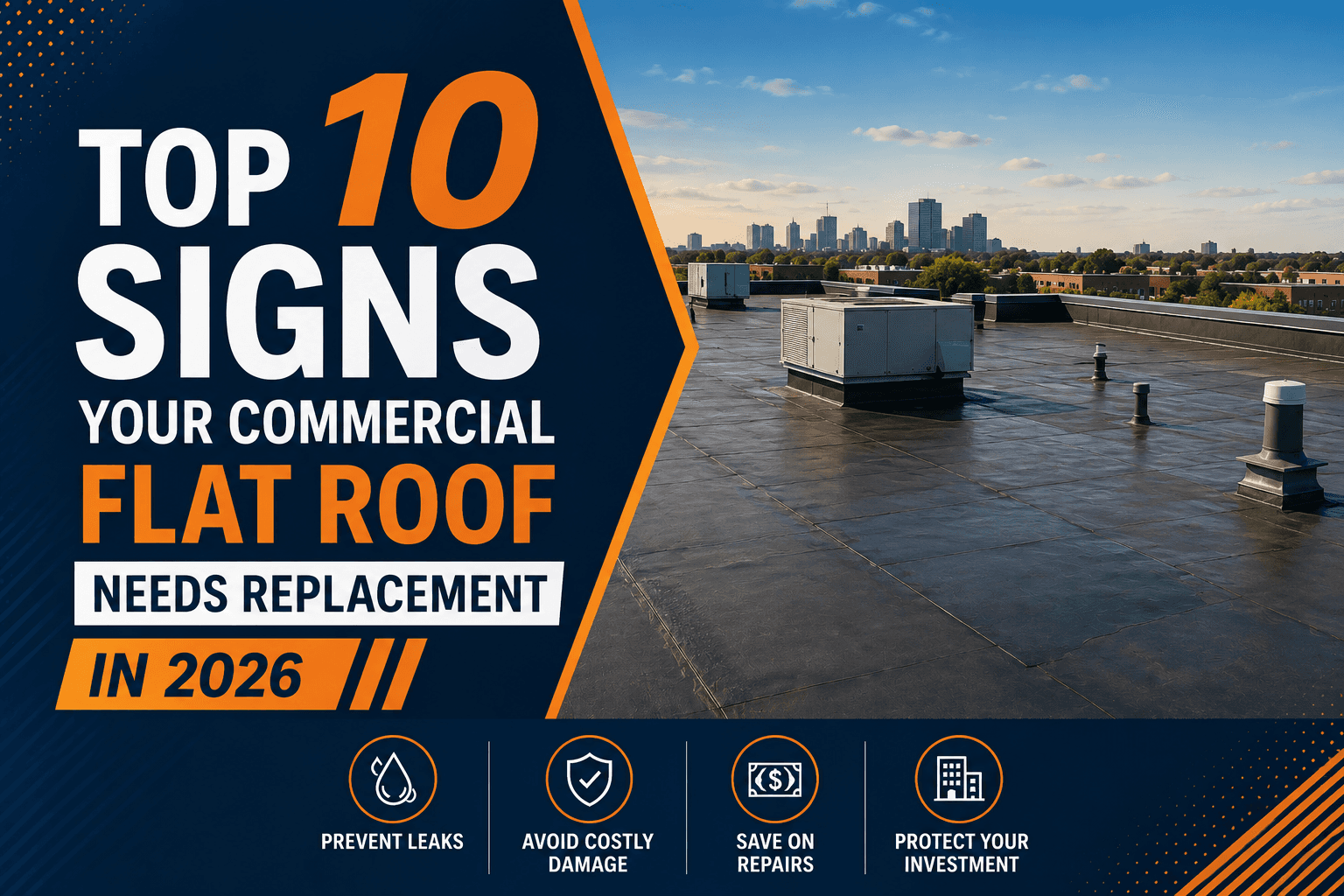
Walk your roof (or have someone qualified do it) about 48 hours after a heavy rain. If you still see puddles, that is a problem. Flat and low-slope commercial roofs are designed to drain within a day or two. Water that lingers longer than that puts constant weight and pressure on the membrane, accelerates UV breakdown at the ponding edges, and is one of the fastest ways to shorten a roof's usable life.
Ponding is often caused by a low spot in the deck, a clogged drain or scupper, or insulation that has settled unevenly over time. None of these are things you want to guess about. An inspection will pinpoint exactly where the drainage is failing and whether it is a maintenance fix or a structural one.
3: Rising Energy Bills and an Overworked HVAC System
Not every roof warning sign is visible from the ground or even from the roof surface itself. A roofing system that has lost insulation value, whether from trapped moisture, aging materials, or wind-lifted seams, forces your HVAC system to work harder to keep the building comfortable. If your utility bills have climbed without an obvious reason, or your rooftop units seem to be running constantly, the roof is worth a look.
Wet insulation is a particularly sneaky culprit. It does not always cause a visible leak, but it does destroy the R-value of the roofing system, and once insulation is saturated, drying it out is rarely an option. Replacement of that section is usually the only fix, which is exactly why catching it early through routine inspection matters so much.
4: Visible Membrane Damage, Blistering, or Loose Flashing
If you can see problems from a ladder or a drone photo, it typically means the damage has already progressed past the earliest stage. Watch for:
Cracked, blistered, or bubbling membrane surfaces
Seams that have started to separate or lift
Flashing around vents, HVAC curbs, or the roof perimeter that looks loose, rusted, or pulled away
Granule loss or exposed felt on modified bitumen systems
Rust spots or seam failures on metal roofing panels
Any one of these, left alone, tends to get worse with every rainstorm and every temperature swing. Florida's daily heat-and-storm cycle is especially hard on membrane seams, which is why these details matter more here than in milder climates.
5: Your Roof Is Aging or Was Recently Hit by a Storm
Most commercial roofing systems are rated for somewhere between 15 and 30 years, depending on the material. If your roof is approaching the back half of its expected lifespan, or if you honestly do not know when it was last replaced, that alone is a reason to schedule an inspection. Age-related wear rarely announces itself with a dramatic leak; it shows up as a slow accumulation of small failures.
The same logic applies after any significant weather event. High winds can lift flashing or shift membrane without leaving an obvious hole. Hail can bruise a membrane in ways that are invisible until the next heavy rain finds the weak spot. If your property has been through a named storm, a tropical system, or even a severe thunderstorm with high winds, get the roof checked before the next one arrives.
"In Florida, the roofs that fail catastrophically are almost never the ones with a maintenance history. They're the ones nobody looked at for three or four years in a row. A twenty-minute walk on the roof twice a year is the cheapest insurance a building owner can buy."
What Happens During a Commercial Roof Inspection
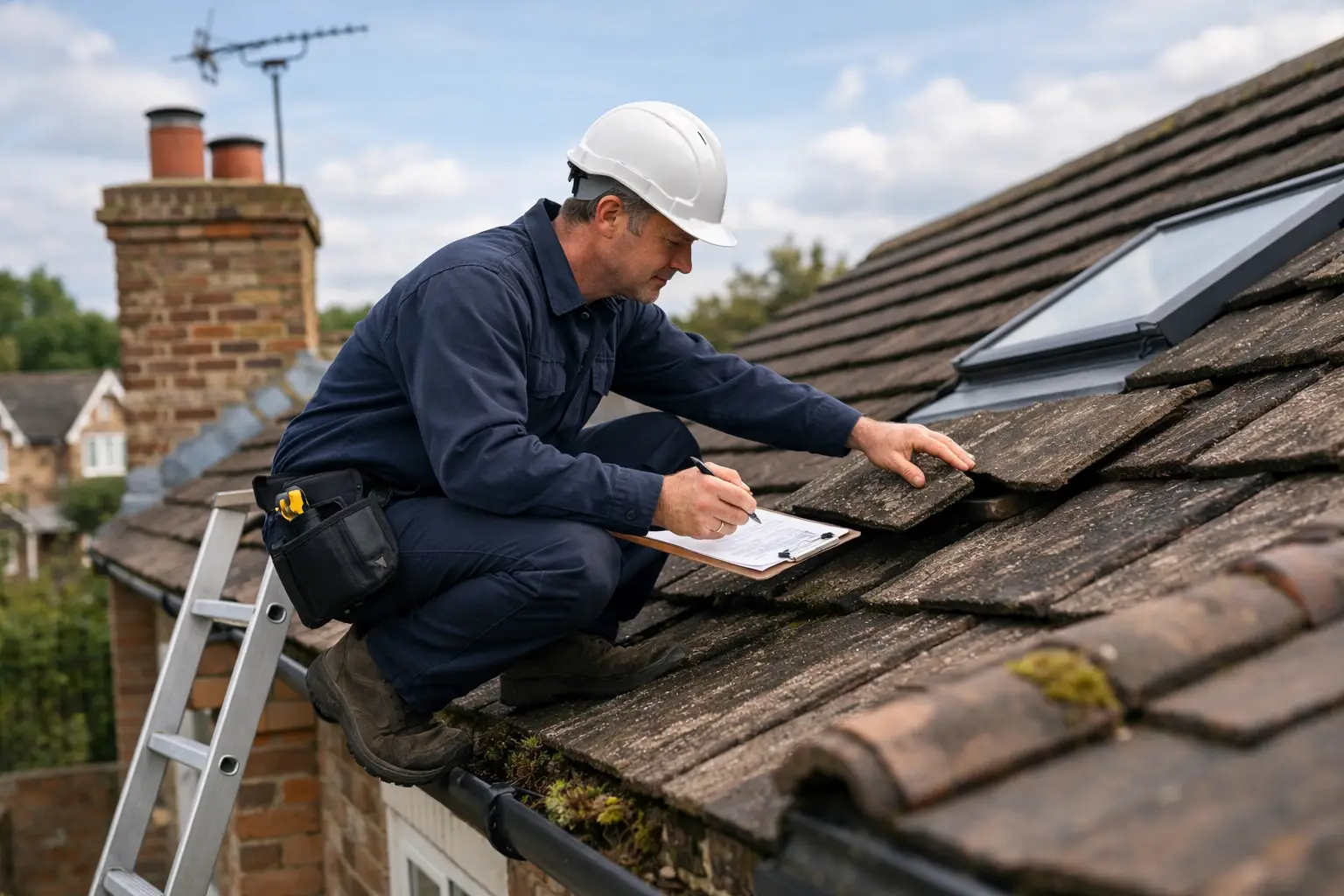
If you have never had one done, a professional commercial roof inspection is more thorough than most people expect. Here is generally how it goes:
Interior walkthrough. The inspector checks ceilings, walls, and areas around rooftop penetrations for existing water stains, mold, or damage.
Roof surface assessment. A visual, section-by-section review of the membrane, seams, and surface condition, documented with photos.
Drainage check. Drains, scuppers, and gutters are inspected for clogs, damage, or improper slope, and any ponding areas are measured and noted.
Flashing and penetration review. Every vent, HVAC curb, skylight, and roof edge detail is checked, since these are the most common leak points on any commercial roof.
Structural and equipment review. Rooftop equipment, walkways, and any load-bearing concerns are noted, along with the condition of any existing repairs.
Report and recommendations. You receive a written report with photo documentation, a summary of findings, and prioritized recommendations, ranging from routine maintenance to urgent repair.
At Berg General Contractors, our roof inspection and compliance report services are built around this same process, and the resulting reports are accepted by insurers, lenders, and property managers, which makes them useful well beyond routine maintenance.
How Much Does a Commercial Roof Inspection Cost
Pricing varies based on roof size, roof type, accessibility, and how detailed a report you need, but here is a general range property owners can expect:
A basic inspection on a small commercial roof will always cost less than a moisture survey on a large industrial facility with multiple HVAC units and complex drainage. The right way to think about the cost is against the alternative: a $400 inspection that catches a failing seam is dramatically cheaper than the interior repairs, inventory damage, and business interruption that follow an unaddressed leak.
Best Commercial Roofing Systems for Florida Properties
Not every roofing system holds up the same way against Florida's climate. If your inspection reveals that repair is no longer the right answer and replacement is on the table, it helps to understand your options.
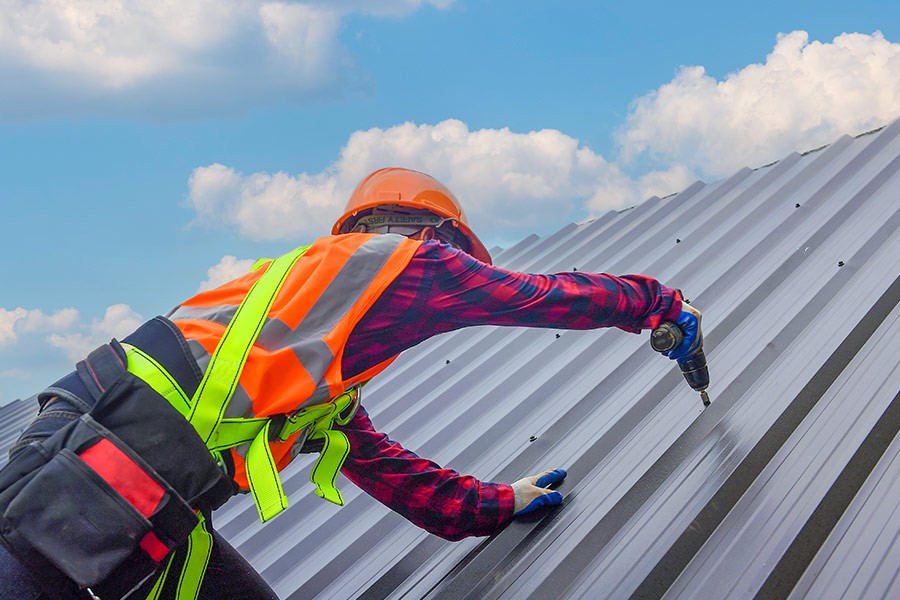
Commercial metal roofing is a strong performer for wind resistance and longevity, often lasting 40 to 60 years with proper maintenance. Standing seam systems in particular hold up well against uplift, which matters in a hurricane-prone state. Learn more about our commercial metal roofing systems.
Flat and low-slope membrane roofing (TPO, EPDM, and modified bitumen) remains the most common choice for warehouses, retail centers, and office buildings because it is cost-effective and adaptable to rooftop equipment. The tradeoff is that these systems depend heavily on proper drainage and regular inspection to avoid the ponding issues covered above. Explore our flat roofing solutions for commercial properties.
Whichever system is on your building now, the deciding factor in how long it lasts is rarely the material alone. It's how consistently it gets inspected and maintained.
Common Mistakes Property Owners Make
Waiting for a leak before scheduling an inspection. By the time water is visible inside, the damage is already underway.
Relying on a "look from the ground" check. Most of the warning signs above are only visible from the roof surface itself.
Skipping inspections after storms because there's "no visible damage." Wind and hail damage is frequently hidden until the next rain event exposes it.
Assuming a newer roof doesn't need checking. Installation defects and material issues can surface well before a roof reaches middle age.
Not keeping documentation. Insurance claims and warranty coverage often depend on having a documented inspection history, not just the repair itself.
Pro Tips for Staying Ahead of Roof Problems
Put roof inspections on a recurring calendar, spring and fall, so it never depends on someone remembering.
Keep a folder (digital or physical) of every inspection report, repair invoice, and warranty document tied to the roof.
Walk the roof yourself after any major storm, even if you're also scheduling a professional inspection, so obvious debris or damage gets flagged immediately.
Ask your inspector to specifically photograph and log drainage points, since that's where the majority of preventable failures start.
Budget for roof maintenance the same way you budget for HVAC servicing. It's a line item, not an emergency fund.
Don’t Wait for Roof Damage Schedule Your Commercial Roof Inspection Today
A commercial roof is one of the most expensive components of your building, and it is also one of the easiest to ignore until something goes wrong. The five signs above, interior stains, standing water, rising energy costs, visible membrane damage, and roof age or storm exposure, are your building's way of asking for attention before a small problem becomes an expensive one.
If any of these sound familiar, don't wait for the next storm to find out how serious it is.
Book Now to schedule a professional roof inspection with Berg General Contractors, or Contact Us to talk through what you're seeing on your property. Our team provides commercial roofing services across Florida, including inspections, repairs, and full roof replacement, so your building stays protected no matter what stage it's in.