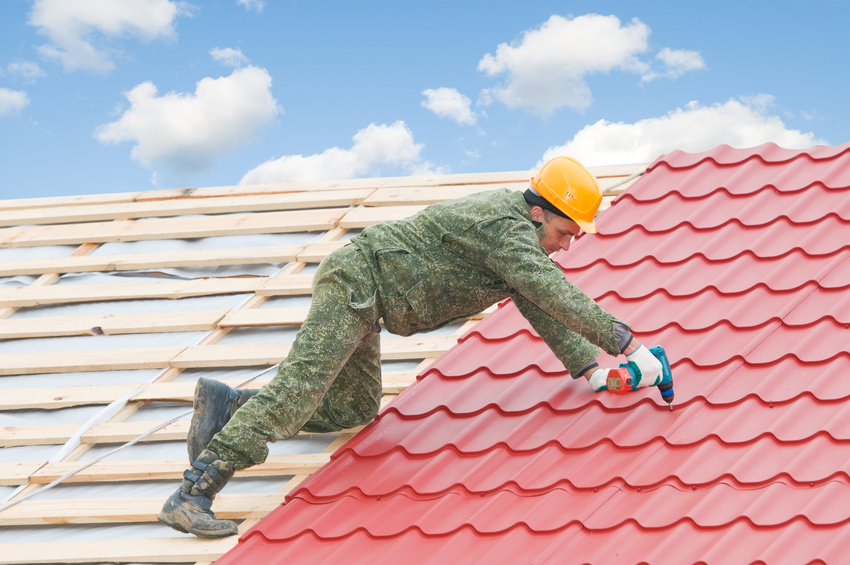
Curling shingles, granule loss, or a roof past 20 years old? Learn the 7 warning signs it's time for a new shingle roof installation.
Your roof works quietly in the background until the day it doesn't. Florida homeowners deal with a tough combination: intense sun, sudden downpours, and hurricane season winds that test every shingle nailed to the deck. Most people don't think about their roof until water shows up on the ceiling, and by then, the damage is often bigger than a simple patch job.
Knowing the warning signs early can save you thousands of dollars and a lot of stress. Below are the seven clearest signals that it's time to stop repairing and start planning a full shingle roof installation.
Why Your Roof's Age Matters More Than It Looks {why-your-roofs-age-matters}
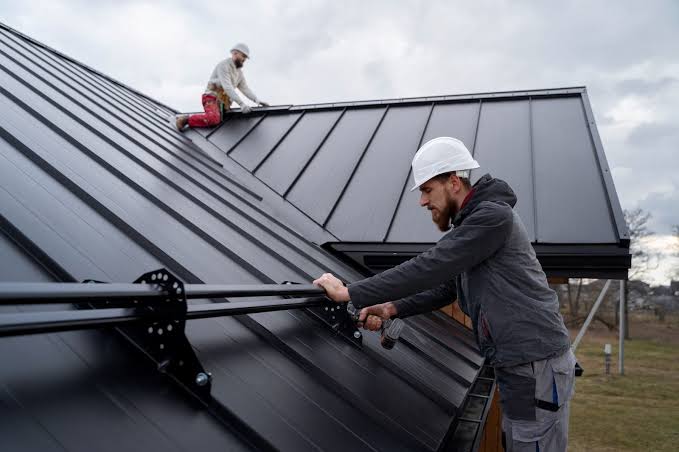 A roof can look fine from the ground and still be failing underneath. Asphalt shingles break down from the inside out as heat and UV exposure dry out the asphalt binders, long before a leak ever shows up indoors. That's why age is one of the most reliable predictors of when a new roof installation will be needed, even on a roof that still looks presentable from the driveway.
1. Curling or Buckling Shingles
Walk your property line and look up at the roof edges. If shingles are curling at the corners or buckling in the middle of the roof plane, moisture has gotten underneath them or the shingles themselves have simply worn out. Curling is one of the most common signs of an aging roof, and it usually means the shingles have lost their flexibility and their ability to seal against wind-driven rain.
2. Granule Loss in Your Gutters
Those small mineral granules on asphalt shingles aren't just for looks. They protect the asphalt layer from UV rays and help the shingle shed water. If you're finding handfuls of gritty, sand-like granules collecting in your gutters or downspouts, your shingles are shedding their protective layer faster than they should. A little granule loss is normal in the first year after installation, but heavy, ongoing loss is a sign your damaged shingles are nearing the end of their service life.
3. Missing or Cracked Shingles
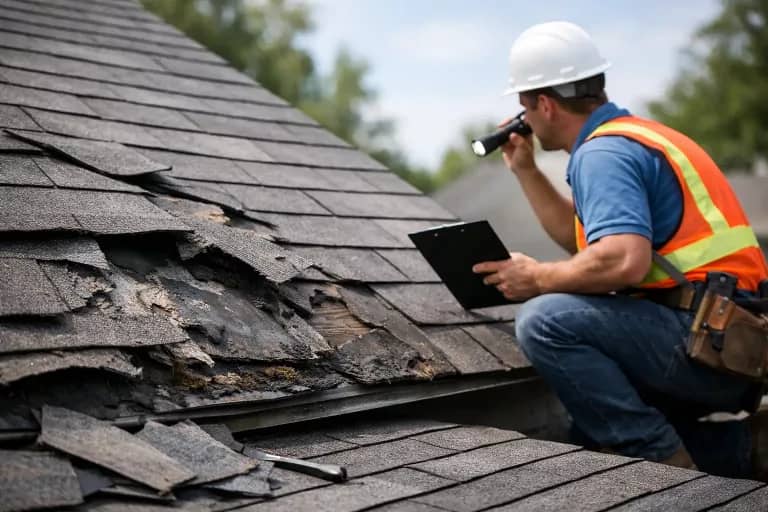
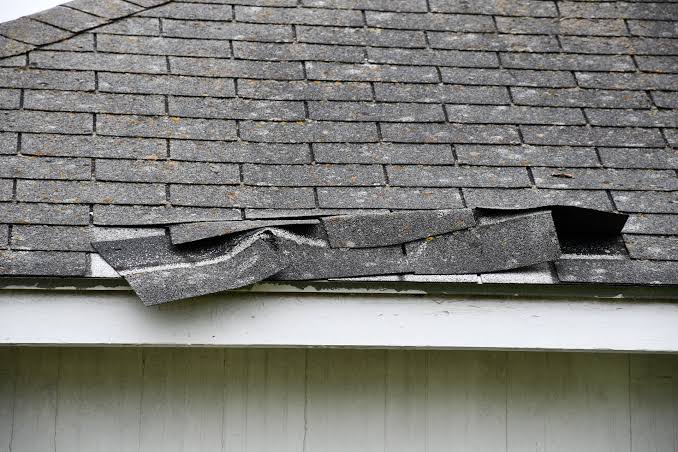 A single missing shingle after a storm isn't an emergency. It's a repair. But if you're finding cracked, torn, or missing shingles scattered across multiple sections of the roof, that's a pattern, not an isolated incident. Cracking often shows up first around roof valleys, ridge caps, and areas exposed to direct afternoon sun, since those spots take the most thermal stress over the roof's lifetime.
4. Daylight Through the Roof Boards
If you ever get into your attic during the day and see pinpricks of daylight coming through the roof deck, that's not a minor cosmetic flaw. It means there are gaps large enough for wind, rain, and even pests to get through. This is one of the clearest shingle roof replacement signs there is, because it confirms the underlayment and shingles are no longer forming a continuous barrier.
5. Sagging Roof Deck
Stand back from your house and look at the roofline from the street. It should be straight and even. A sag or dip, especially between rafters, usually points to water-damaged decking underneath the shingles. Wet plywood or OSB sheathing loses its structural strength over time, and a sagging deck is a sign that moisture has been getting in for a while, often well before any interior leak became noticeable.
6. Frequent Leaks or Water Stains
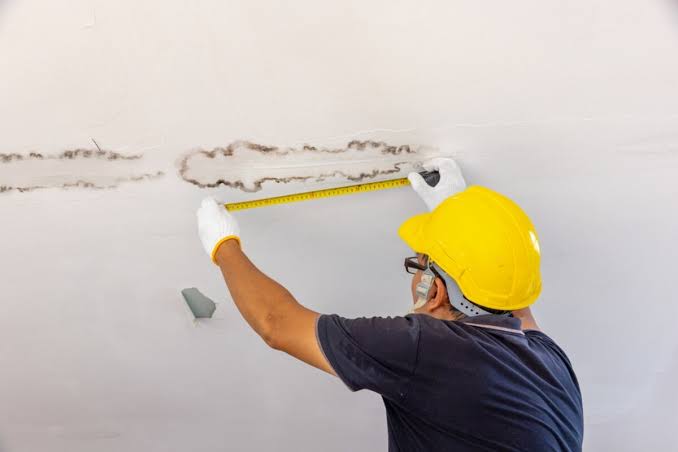 One leak after a major storm can sometimes be fixed with a targeted repair. Repeated leaks, especially in different spots around the house, usually mean the roofing system as a whole is failing rather than one isolated area. Brown ceiling stains, peeling paint near the roofline, or a musty smell in the attic are all signs that water has been finding its way in longer than you realized.
7. Your Roof Is Nearing 20 to 25 Years Old
Even a roof with no visible problems today is living on borrowed time once it passes the 20 to 25 year mark, which is the typical lifespan range for a standard asphalt shingle roof in a hot, humid climate like Florida's. If your roof was installed before 2005, it's worth having it professionally inspected even if nothing looks obviously wrong yet.
What Happens If You Wait Too Long
Putting off a roof replacement rarely saves money in the long run. Once water gets past the shingle layer, it can damage the plywood decking, the insulation, the drywall, and in some cases the framing itself. What starts as a $400 repair can turn into a $15,000 interior restoration project if it goes unnoticed for a season or two, particularly during Florida's rainy months.
Expert Insight: Having walked homeowners through this decision for years, one pattern shows up again and again. The roofs that fail catastrophically almost never fail without warning. There were curling shingles the owner noticed but didn't act on, or granule buildup in the gutters that got cleaned out without a second thought. Catching two or three of the signs above at once, rather than waiting for a leak, is what actually protects the home and the budget.
Pro Tip: Schedule a roof inspection every spring, before hurricane season ramps up, and after any storm with sustained winds over 50 mph. A 20-minute inspection is far cheaper than an emergency tarp-and-repair call in the middle of a storm.
Common Mistakes Homeowners Make
Patching the same spot repeatedly instead of asking why that area keeps failing.
Ignoring granule loss because there's no visible leak yet.
Choosing the cheapest shingle without checking wind ratings for Florida's building code requirements.
Skipping a licensed inspection and relying on a visual check from the ground alone.
Getting a Professional Opinion
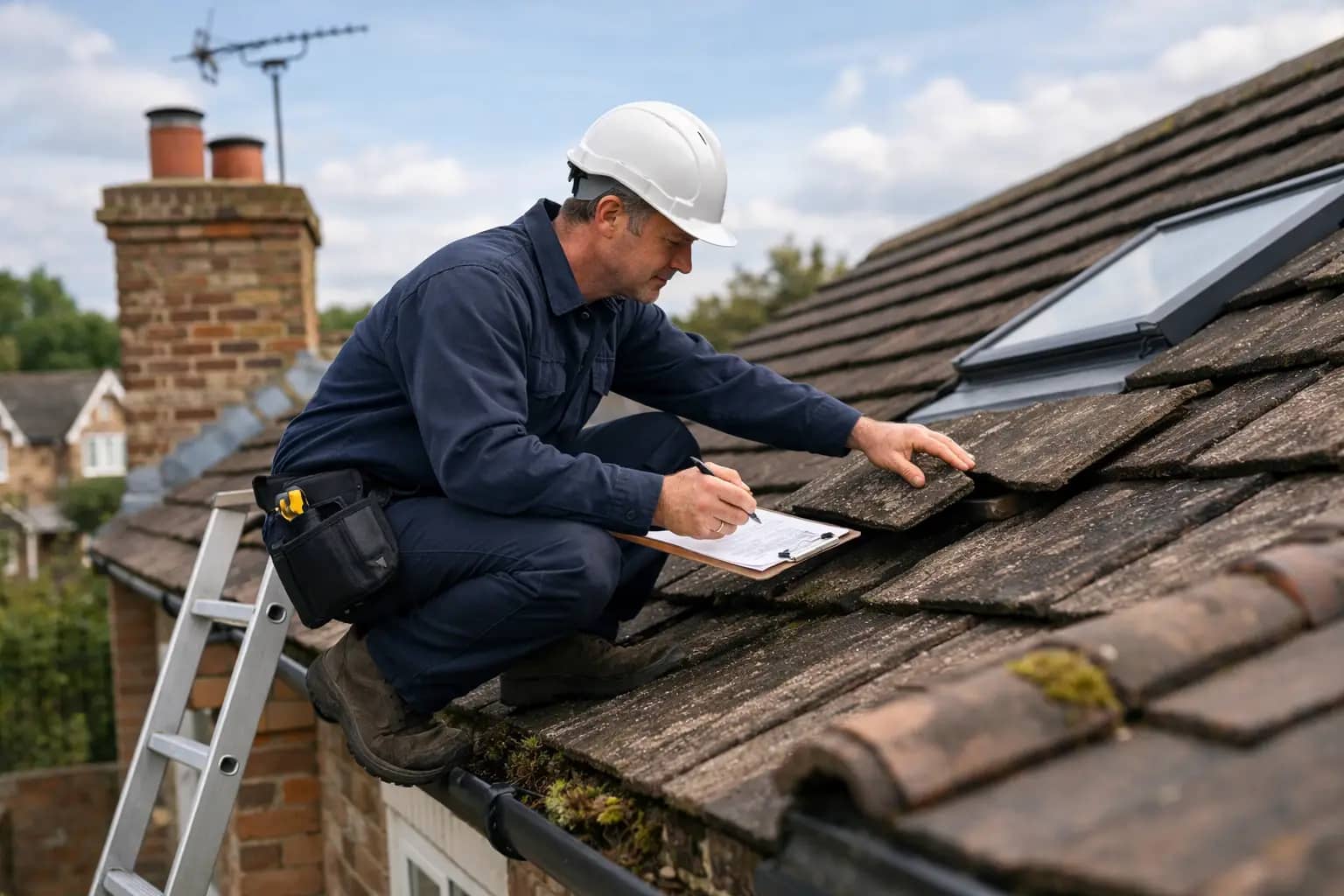
If you're seeing even two or three of these signs, it's worth having your roof looked at before making a decision either way. The team at Berg General Contractors inspects roofs across Florida and gives homeowners a straightforward read on whether a repair will hold or whether a full shingle roof installation is the more cost-effective path. Roofing is one part of the full range of contracting services the team handles, so the same crew that replaces your roof can also address related issues like fascia, soffit, or window flashing if the inspection turns up more than one problem area.
A roof replacement is a significant investment, but so is the home underneath it. Catching these seven signs early puts you in control of the timeline and the budget, instead of reacting to an emergency during the next big storm.
Ready to find out where your roof stands? Book your roof inspection now or contact Berg General Contractors today for a free, no-pressure assessment.