Planning new commercial roof construction? Get a Florida roofing quote before you build to avoid change orders, delays, and budget overruns.
Most commercial construction budgets get built from the ground up, literally. Site work, foundation, structural steel, and framing get priced first, and the roof gets treated as a line item to sort out later. That order of operations causes more change orders, delays, and budget blowouts than almost any other planning mistake on a new commercial project.
If you're in the early planning stages of a new build, pulling in a roofing quote for new commercial roof construction now, before permits are pulled and steel is ordered, can save you tens of thousands of dollars and months of schedule risk. Here's why that step matters and how to do it right.
Why Roofing Should Enter the Conversation Before Ground Is Broken
A commercial roof isn't a finishing touch. It's a structural and mechanical system that interacts with nearly every other trade on the job. Roof pitch and drainage affect structural engineering. Roof-mounted HVAC affects electrical and mechanical rough-in. Insulation and membrane choice affect energy code compliance. Parapet height and roof access affect life safety design.
When a general contractor prices commercial roof construction after the architectural set is locked, the roofing contractor is stuck reacting to decisions that already limit their options. Getting a roofing partner involved during design development means the roof system gets specified around the building instead of squeezed in after the fact.
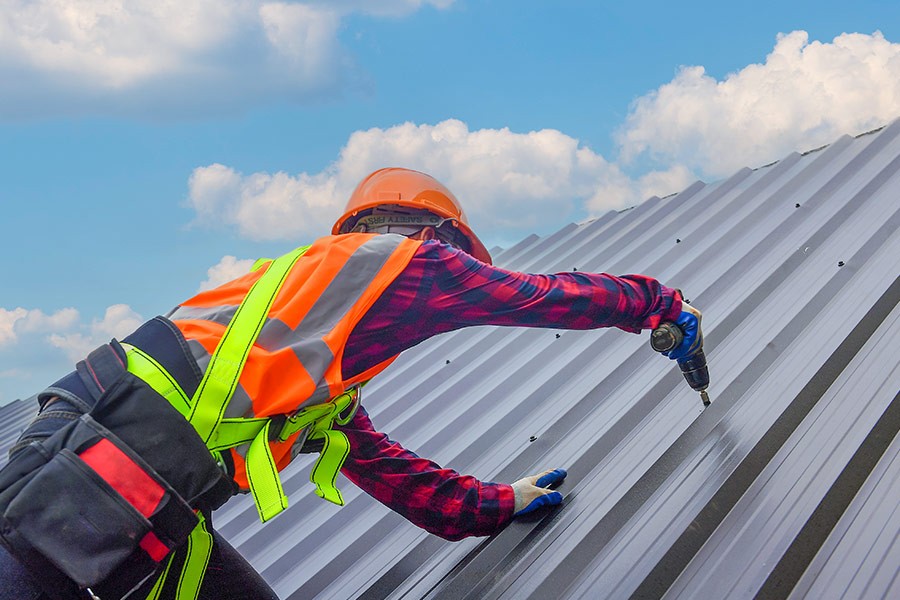
This is especially true in Florida, where wind uplift ratings, hurricane straps, and Florida Building Code wind zone requirements can change the entire roof assembly depending on a building's location and height. A roofer who's licensed and experienced with new commercial roof construction in your specific county can flag code issues during design, not during inspection.
What New Commercial Roof Construction Actually Involves
New construction roofing is a different scope than repair or replacement work. On an existing building, a roofer works around what's already there. On new construction, the roof is built into the structure from the deck up.
A typical new commercial roofing installation includes:
Structural deck installation (steel, wood, or concrete depending on the building type)
Vapor barrier and insulation layers sized to the local energy code
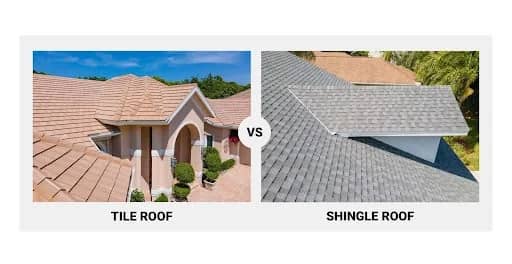
Membrane or metal roofing system selection based on building use, slope, and budget
Flashing, drainage, and scupper design integrated with the building's stormwater plan
Rooftop equipment curbs and penetrations coordinated with mechanical and electrical trades
Wind uplift and fastening patterns engineered to Florida Building Code requirements
Each of these decisions gets easier, cheaper, and more accurate when they're made alongside the architect and structural engineer rather than reverse-engineered around finished drawings.
The Real Cost of Skipping a Roofing Quote Early
 Change orders on roofing scope are some of the most expensive corrections in commercial construction, because roofing sits at the top of the sequence. A change to the roof deck or drainage plan can ripple back down through structural steel, mechanical rough-in, and even the foundation if load calculations shift.
Owners who wait until the building is framed to bring in a roofing contractor commonly run into:
Roof systems that don't match the building's actual wind exposure category
Insufficient roof drainage capacity for Florida's rainfall intensity
Rooftop equipment placed before the roofing contractor has weighed in on penetrations
Budget estimates based on national averages instead of Florida material and labor costs
How to Get an Accurate New Commercial Roofing Quote
A quote that's actually usable for early budgeting needs to go beyond a per-square-foot number pulled from a past project. Here's what a serious commercial roofing quote should include before you build. A new commercial roofing installation quote built this way gives your general contractor and lender numbers they can actually build a schedule and budget around, instead of a placeholder that gets revised twice before the roof goes on.
| What to Ask For | Why It Matters |
|---|---|
| Roof system recommendation based on building use and slope | Determines material cost and long-term maintenance |
| Wind uplift rating tied to your specific site's exposure category | Required for Florida Building Code permitting |
| Drainage and scupper plan reviewed against the civil engineer's stormwater design | Prevents ponding and undersized drainage after the fact |
| Rooftop equipment coordination with your MEP engineer | Avoids re-cutting the roof after installation |
| Warranty terms tied to the specific manufacturer and installer | Protects the owner long after the contractor demobilizes |
| Realistic lead times for materials | New construction schedules often assume shorter lead times than roofing materials actually need |
Choosing the Best Contractor for New Commercial Roof Construction Projects
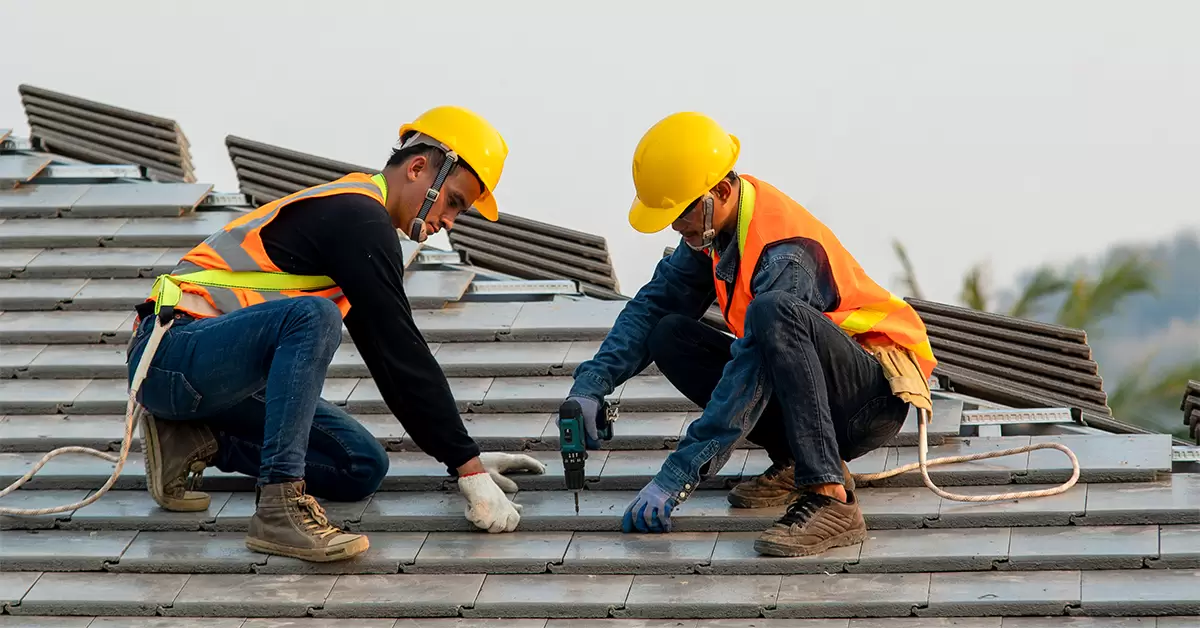 Not every roofer who handles repairs and replacements is set up to work on new construction. New builds require coordination with architects, structural engineers, and general contractors on a schedule that doesn't leave much room for guesswork. When you're evaluating who to bring in, look for a contractor who can show:
A current Florida General Contractor or Roofing Contractor license, not just a subcontractor registration
Experience specifically with commercial roof construction on ground-up projects, not only repair work
Familiarity with the wind zone and code requirements in your county
A track record of working directly with architects and engineers during design development, not just after permitting
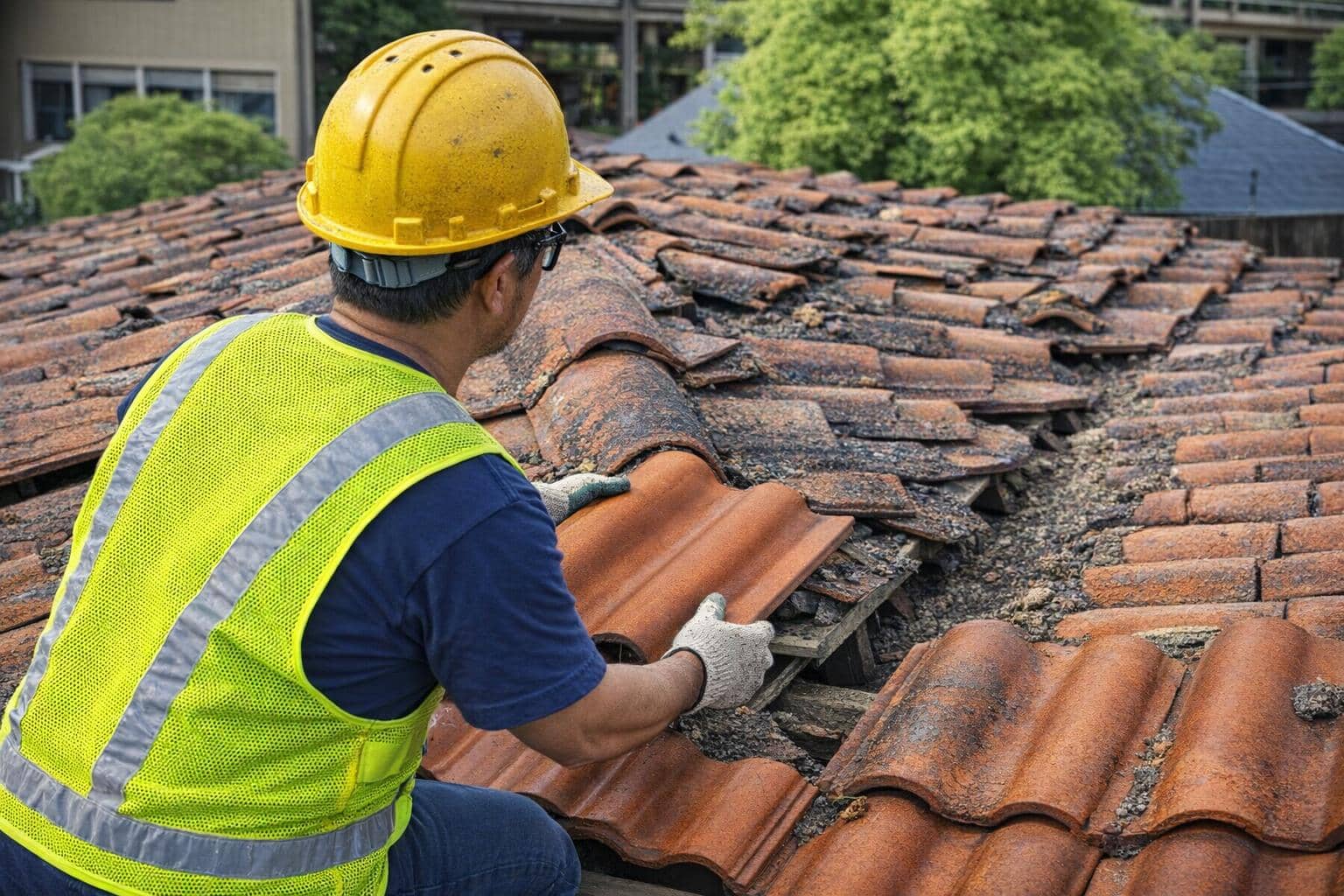
Manufacturer certifications for the specific membrane, metal, or tile systems being specified
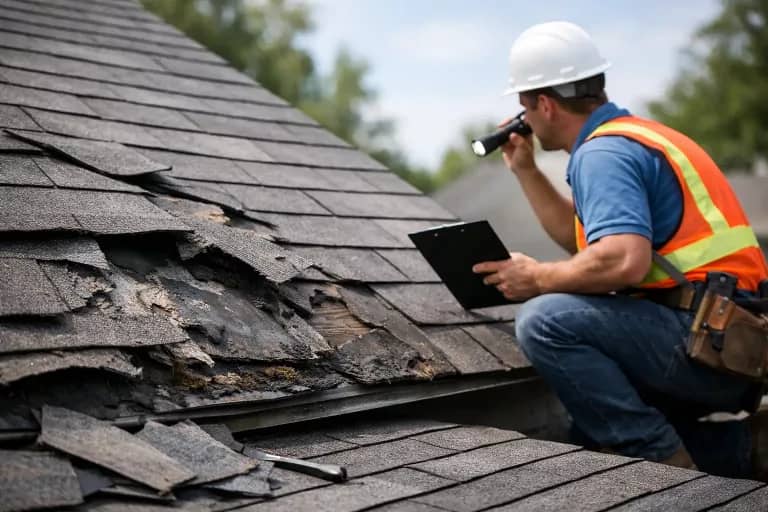
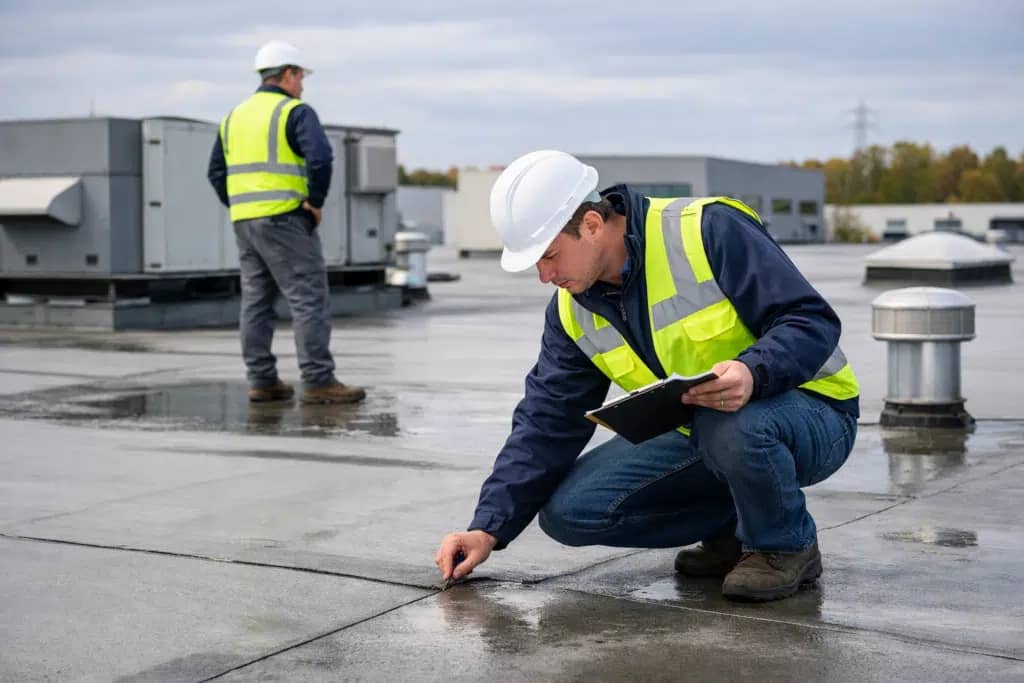
A contractor who can speak to commercial roof replacement and roof inspection work in addition to new construction usually has a broader view of how roofs actually perform over 15 to 20 years, which shows up in smarter material recommendations at the design stage.
Common Mistakes Property Owners Make When Building New
Even experienced developers run into the same handful of roofing planning mistakes on new commercial projects:
Pricing the roof from a national cost database instead of a Florida-specific quote
Choosing a roof system based on upfront cost alone, without factoring in wind rating requirements for the site
Waiting until the building is under roof deck before finalizing HVAC curb locations
Assuming standard material lead times, then discovering the specified membrane or metal panel has a longer order window
Leaving roof warranty terms out of the general contractor's scope until after substantial completion
Each of these is avoidable with a roofing quote pulled into the process during design, not construction.
Working With Berg General Contractors on Your New Commercial Roof
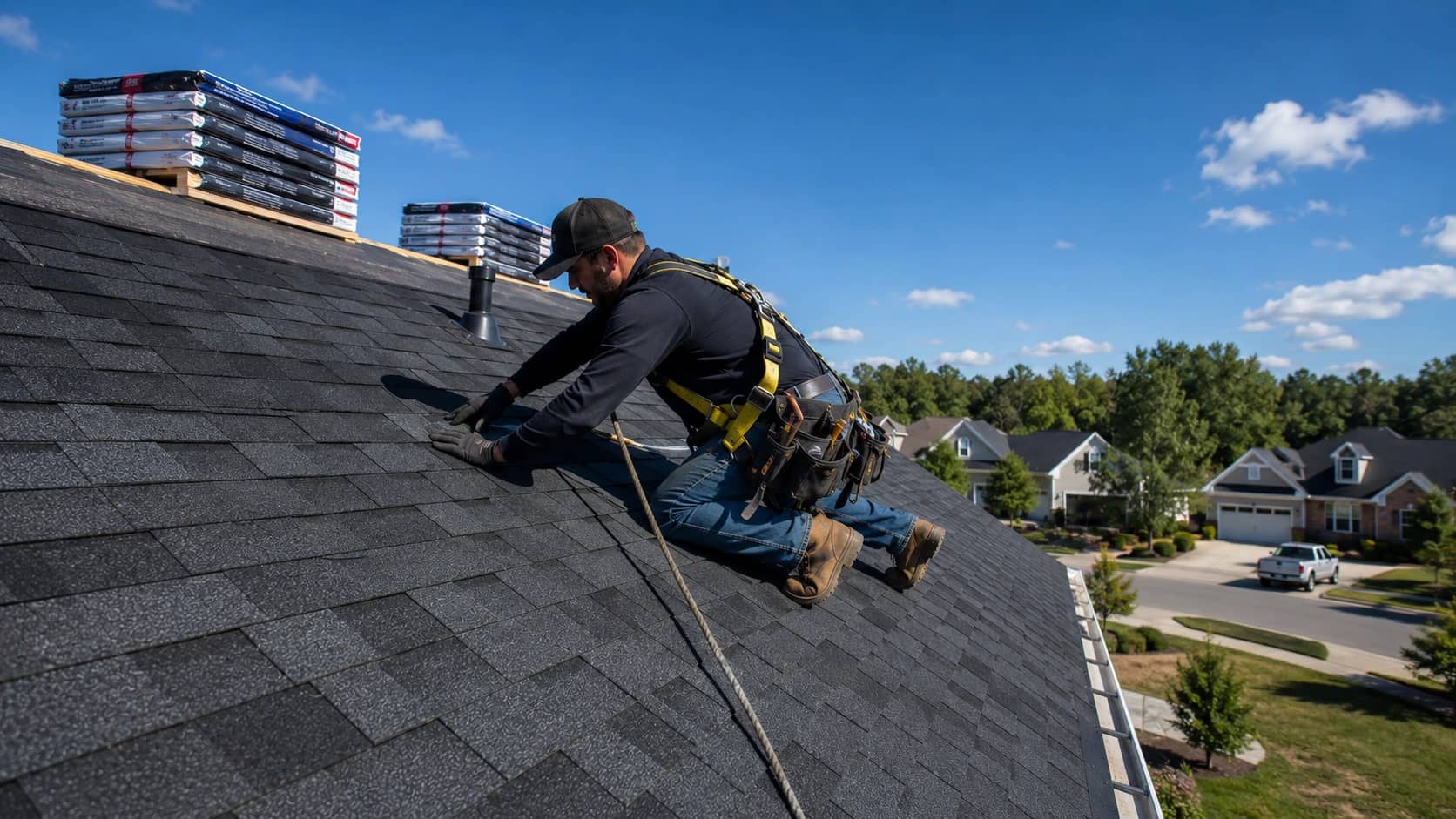
 Berg General Contractors handles commercial roof construction for new builds across Florida, from office and retail developments to industrial and warehouse projects. Our team works directly with architects and general contractors during the design phase so the roof system gets specified correctly the first time, built to Florida Building Code wind requirements from day one.
If you're in the early planning stages of a new commercial build, book a free consultation before your drawings are finalized, or contact us with your project details. It's the easiest way to protect your budget and your schedule before either one is locked in.