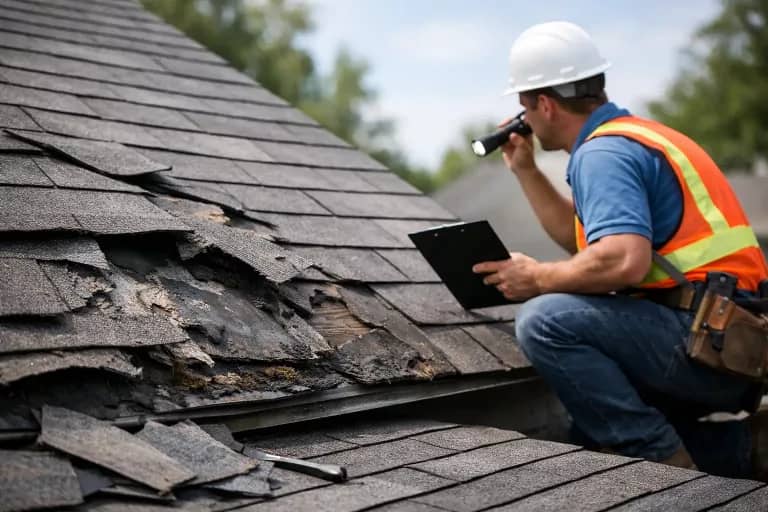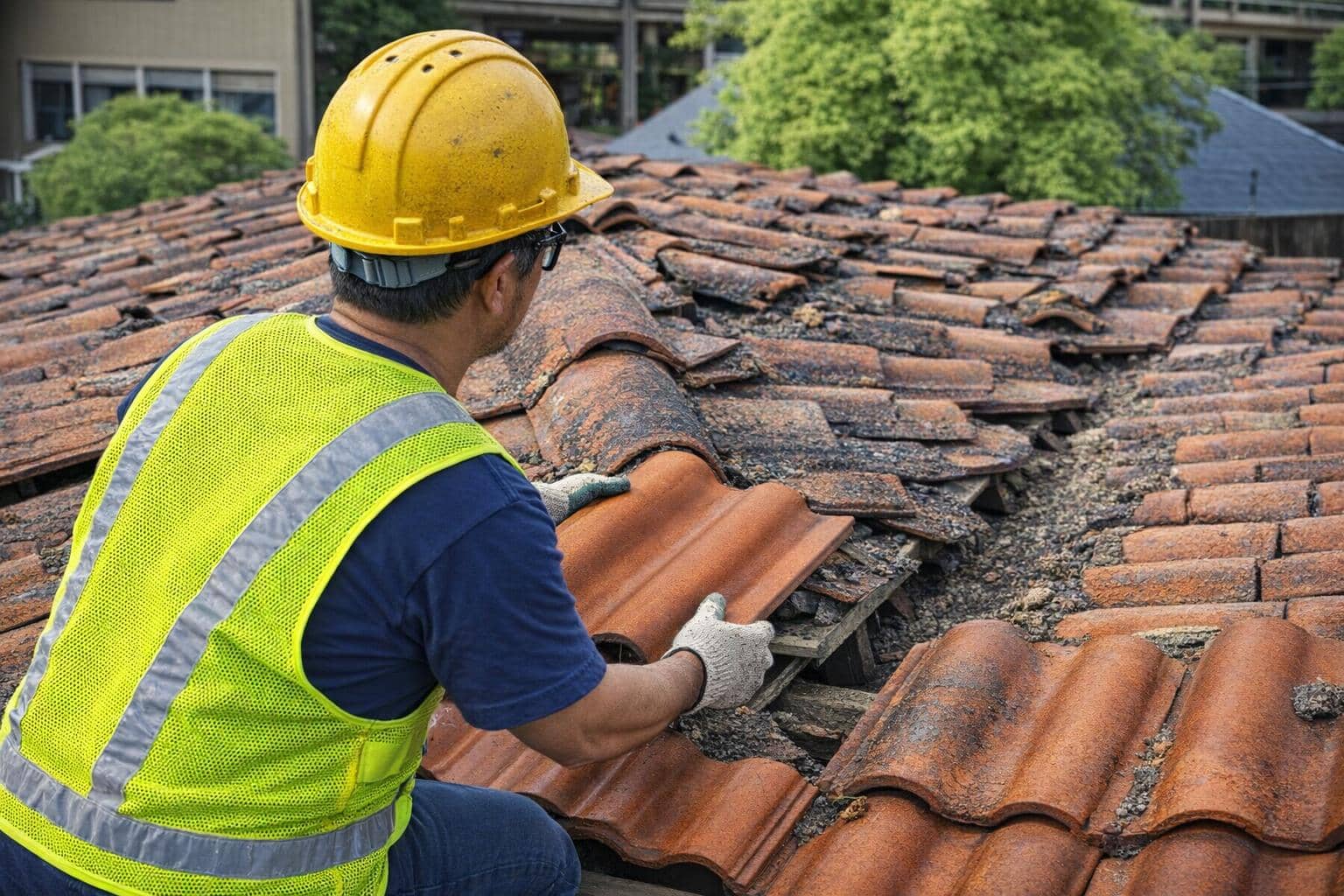

Comparing a preventive maintenance plan to one-time roof repairs? See the real cost breakdown, what's included, and how to build a plan that actually saves money.
Roof leaking right now? That's not this article. This one is for the property owner staring at a proposal for a preventive maintenance plan and wondering if it's worth paying for a roof that "isn't broken yet." It's a fair question. Here's the honest, numbers-based answer, plus exactly how to build and run a maintenance program if you decide it's the right move.
What Is a Preventive Maintenance Plan, Exactly?
A preventive maintenance plan is a scheduled program of roof inspections, minor repairs, and upkeep designed to catch small problems before they turn into expensive ones. Instead of waiting for a leak to call a contractor, you have a roofing company visit on a set schedule, typically twice a year and after major storms, to check flashing, seams, drainage, and membrane condition, then fix what's needed while it's still cheap to fix.
That's the short definition. The longer answer is that a maintenance plan changes your relationship with your roof entirely. You go from reactive (something breaks, you scramble) to proactive (you know the condition of your roof at all times and budget for small, predictable costs instead of large, unpredictable ones).
What One-Time Repairs Really Cost Over Time
 A one-time repair looks cheaper in the moment, and that's exactly the trap. You pay for a single leak fix, a patched membrane section, or a replaced boot, and the invoice is smaller than a maintenance contract. But one-time repairs share a pattern that rarely shows up until you zoom out over several years.
Each repair only addresses the symptom a technician was called out for. Nobody is checking the rest of the roof unless you specifically pay for a full inspection, so other developing issues, a cracked pipe boot here, a lifting seam there, keep aging untouched until they fail too. That's how a property ends up with three or four "unrelated" emergency calls in a single year, each one priced at emergency rates, each one arriving at the worst possible time, usually mid-storm.
There's also a warranty issue that catches a lot of owners off guard. Most commercial roofing warranties require documented, regular maintenance to stay valid. Skip it, and a manufacturer can deny a claim on a roof that's only a few years old, turning what should have been a covered failure into a bill you pay out of pocket in full.
Preventive Maintenance Plan vs One-Time Repairs: Cost Comparison
Looking at that table, the math tends to favor a maintenance plan for any property expected to be owned or leased for more than a few years. The exception is a roof already near the end of its expected service life, which we'll cover further down.
| Factor | Preventive Maintenance Plan | One-Time Repairs |
|---|---|---|
| Cost structure | Predictable, scheduled cost, typically 1-3% of roof replacement value per year | Unpredictable, priced per incident, often at emergency rates |
| Roof lifespan | Extended 30-100% with consistent care | Shortened by untreated small issues compounding |
| Warranty protection | Documentation usually satisfies manufacturer requirements | Warranty coverage often voided by lack of maintenance records |
| Emergency calls | Rare, since issues are caught before they become urgent | Common, especially after storms |
| Budgeting | Fits into an annual facilities budget | Comes as a surprise line item, often mid-fiscal-year |
| Interior/business impact | Minimal disruption, issues fixed on a schedule | Downtime, closures, or tenant complaints during active leaks |
| Documentation for resale/insurance | Full maintenance history strengthens property value and claims | Sparse or missing records, harder to prove roof condition |
What's Included in a Preventive Maintenance Program
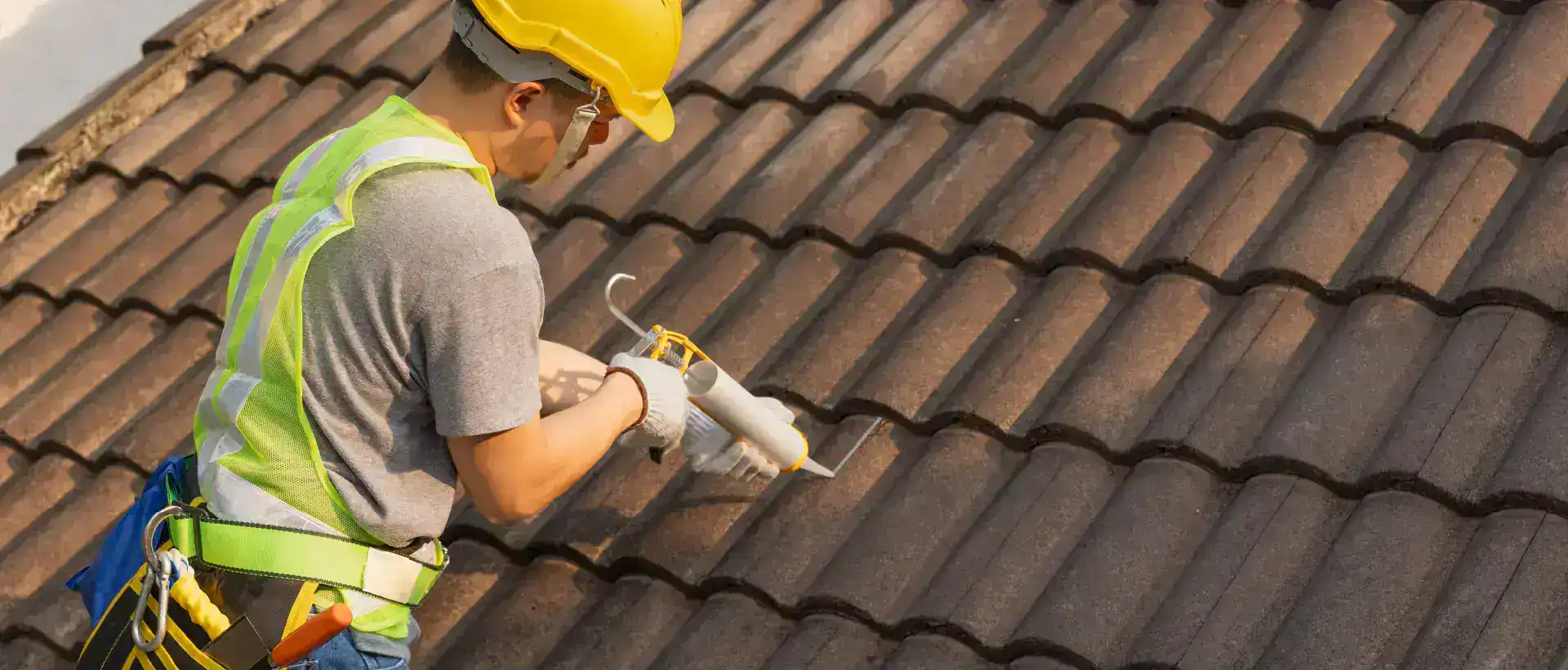
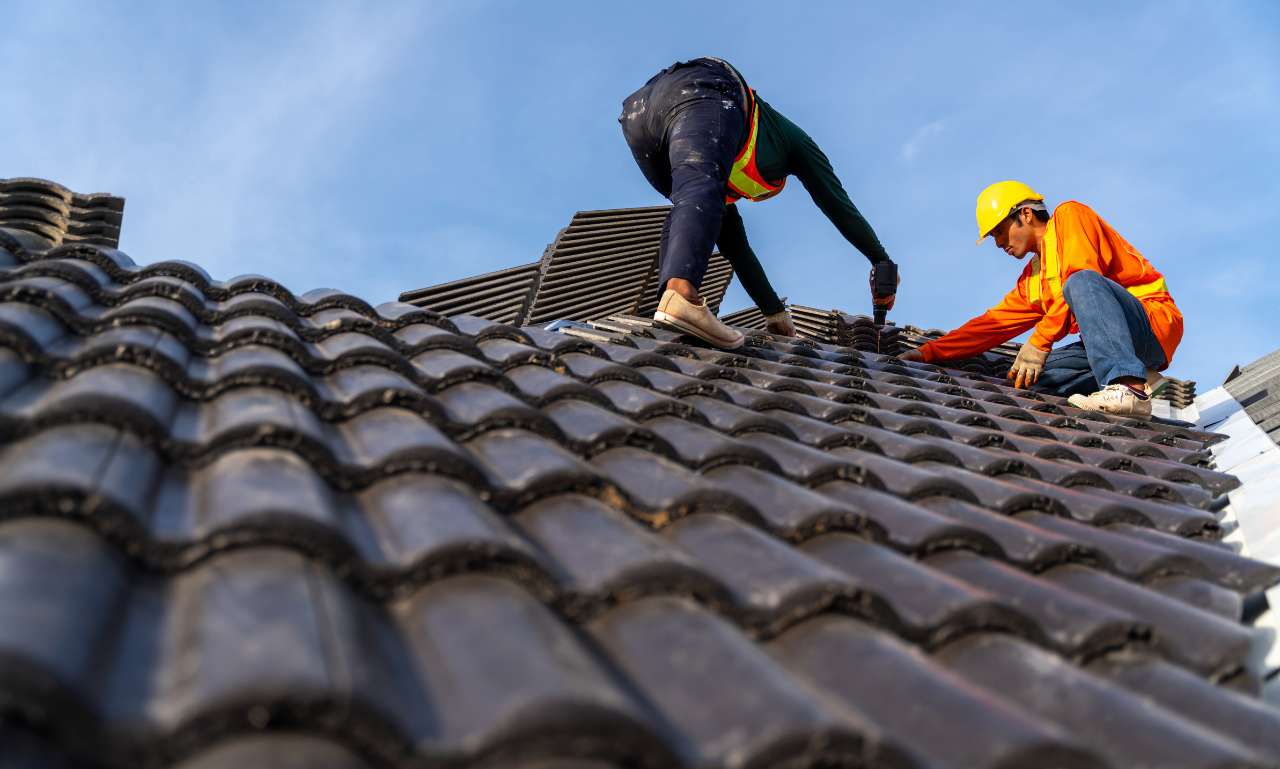 A solid preventive maintenance program should go well beyond a quick visual glance from the ground. Here's the checklist a legitimate program typically covers:
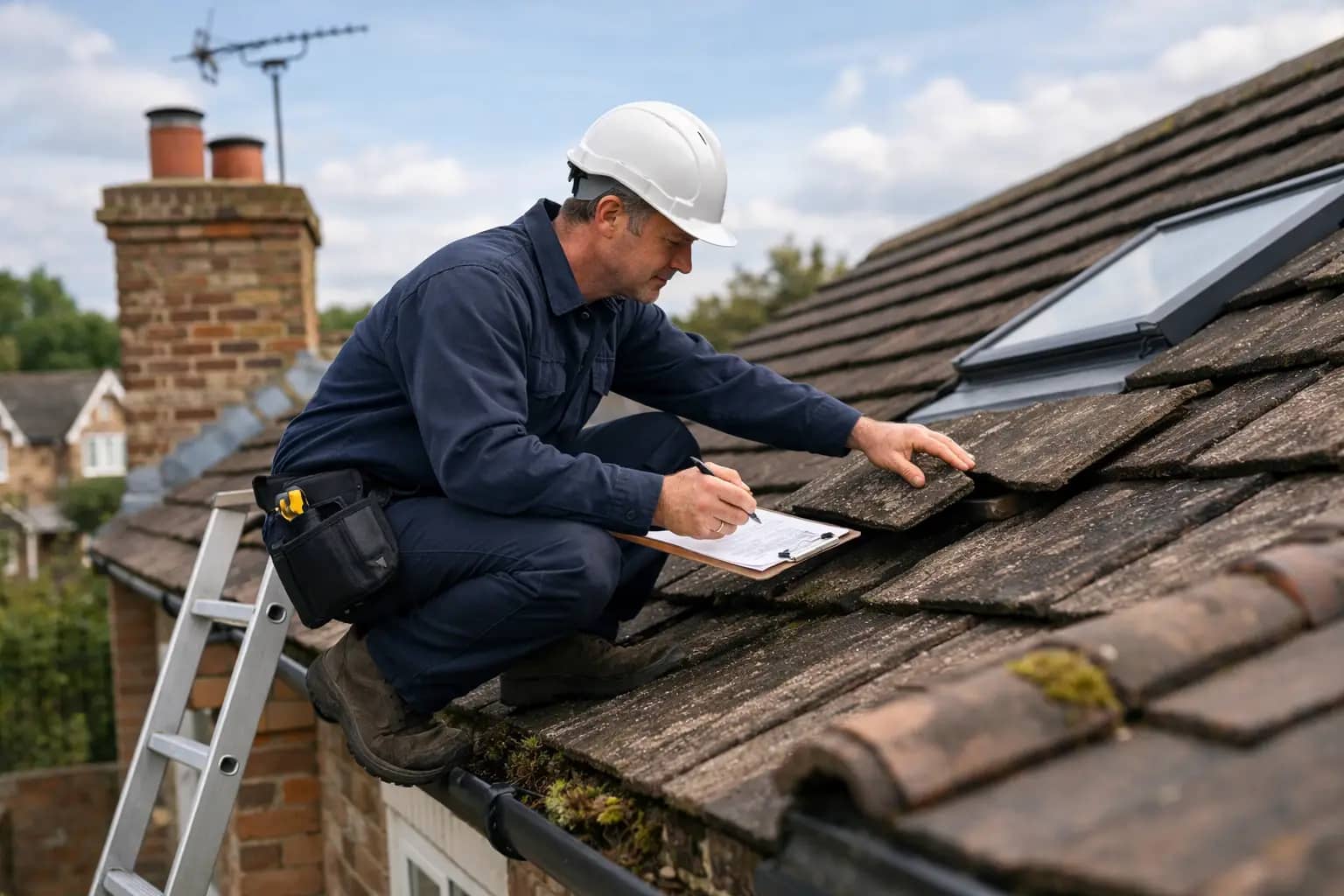
Full walk-on inspection of the membrane, seams, and flashing
Drainage and gutter clearing, including scupper and downspout checks
Ponding water assessment on flat or low-slope sections
Pipe boot, pitch pan, and penetration seal inspection
Sealant and coating condition review
HVAC curb and equipment mounting checks (roof-mounted units are a common leak source)
Documented photo and written report after every visit
Minor repairs completed on the spot when safe to do so
A running maintenance log for warranty and insurance purposes
If a proposal you're reviewing skips the documentation piece, that's a red flag. The report is what protects your warranty and gives you leverage during an insurance claim later.
How to Create a Preventive Maintenance Plan
Wondering how to create a preventive maintenance plan that actually fits your property instead of a generic template? Start here:
Get a baseline inspection: You can't build a maintenance plan around a roof you don't understand. A full inspection identifies current condition, age, and any existing weak points.
Review manufacturer warranty requirements: Some warranties specify inspection frequency or approved contractors. Build the plan around those terms first.
Set an inspection frequency: Twice a year is standard for most Florida commercial roofs, with an added visit after any major storm.
Define the scope in writing: Spell out exactly what's inspected, what's included in minor repairs versus billed separately, and how documentation is delivered.
Budget it as a fixed annual line item: Treat it the same way you'd treat HVAC servicing or fire system inspections, not as a discretionary expense.
Choose a contractor with an actual maintenance division: Not every roofer runs a dedicated preventive program; some only do repairs and replacements.
How to Implement a Preventive Maintenance Program

Knowing how to implement a preventive maintenance program across a portfolio or a single large property comes down to consistency. Once the plan is written, put it into practice with a simple operating rhythm:
Assign one point of contact on your team who receives every inspection report
Calendar the scheduled visits a year in advance so they don't get skipped
Require photo documentation with every visit, not just a summary line
Set a response window for any flagged minor repair (same visit, or within 30 days)
Review the maintenance log annually alongside your budget planning
Re-inspect after any named storm regardless of the regular schedule
Based on managing maintenance programs across Florida commercial and industrial properties, the plans that actually save money are the ones where someone internally owns the follow-through. A great inspection report that nobody reads doesn't extend a roof's life. The property owners who see the biggest savings are the ones who treat the maintenance calendar the same way they treat payroll: it happens on schedule, no exceptions.
Preventive Maintenance Schedule: How Often Is Enough
For most Florida properties, a preventive maintenance schedule of two visits per year, spring and fall, plus a post-storm check after any named tropical system, covers the bulk of what causes premature roof failure. Older roofs, flat or low-slope systems prone to ponding, or properties with heavy rooftop HVAC traffic often benefit from quarterly visits instead.
The right frequency depends on roof type, age, and exposure, which is exactly why a generic schedule pulled off the internet isn't a substitute for a plan built around your actual roof.
Why a Professional Commercial Roof Inspection Matters
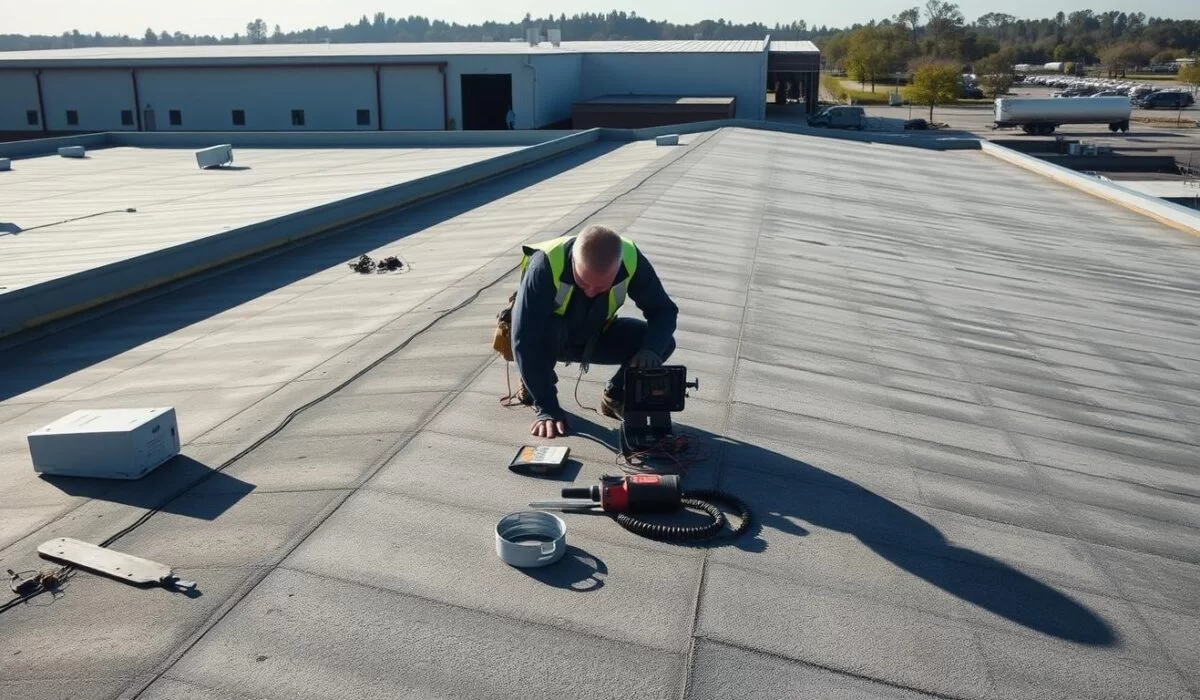 Every maintenance plan is only as good as the inspection behind it. A professional commercial roof inspection goes beyond a walk-around; it includes moisture scanning where needed, a documented point-by-point review, and a written report you can hand to an insurer, a lender, or a prospective buyer. DIY visual checks catch obvious problems, like a lifted panel or visible ponding, but they routinely miss subsurface moisture and early membrane fatigue that a trained inspector is looking for specifically.
Pro tip: Schedule your baseline inspection before hurricane season, not after. A pre-season report gives you a documented "before" condition, which makes any storm damage claim far easier to prove.
If your property has a flat or low-slope commercial roof, it's worth reading our complete guide to commercial flat roof inspections for a deeper walkthrough of what inspectors check and how often.
When One-Time Repairs Actually Make Sense
A maintenance plan isn't the right call for every situation. One-time repairs make more sense when:
The roof is already near or past its expected service life and replacement is the real conversation, not maintenance
The property is being sold or redeveloped within the next year or two
A single, isolated issue (like storm damage) needs addressing on a roof that's otherwise new and under active manufacturer coverage that doesn't require a paid maintenance contract yet
If your flat roof is already showing several of the warning signs of an aging system, a maintenance plan won't reverse that. Our guide on the top signs your commercial flat roof needs replacement can help you figure out which side of that line your property is on before you commit to either path.
Common Mistakes Property Owners Make
Comparing sticker price only: A maintenance plan's monthly or annual cost looks like an added expense until it's measured against a single emergency repair invoice.
Skipping the baseline inspection: Signing a maintenance contract without an initial full inspection means the plan is built on guesswork.
Letting the plan lapse after a management change: New property managers often let maintenance contracts quietly expire, which is exactly when warranty and inspection gaps start.
Assuming any roofer can run a maintenance program: Installation and maintenance are different skill sets; ask specifically about a contractor's dedicated maintenance division.
Ignoring the documentation: The paperwork is often more valuable long-term than the repair itself, especially for insurance and resale.
Get a Custom Preventive Maintenance Plan from Berg General Contractors
 If you've made it this far, you already know the real question isn't "is a maintenance plan worth it." It's "what would a plan built around my specific roof actually cost, and what would it save me." That's a conversation, not a guess, and it starts with a real inspection of your property.
Book Now for a free consultation, or Contact Us today to get a baseline inspection scheduled and find out exactly what a maintenance plan would look like for your property