March 6, 20267 minutes read
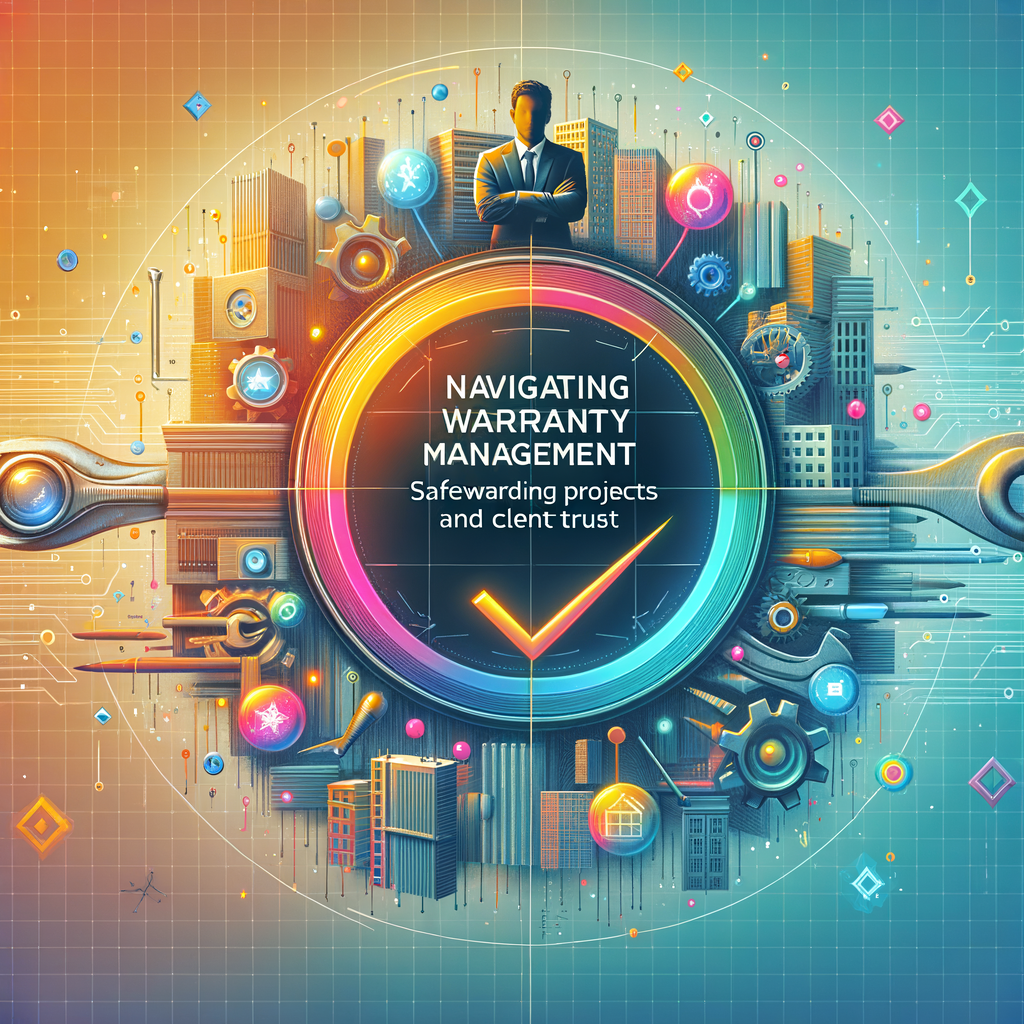
Explore advanced warranty management strategies in general contracting. Learn how to protect your projects, satisfy clients, and reduce post-construction risks with expert insights and actionable tips.
By Berg General ContractorsMarch 6, 20267 minutes read
01
Understanding Warranty Management in General Contracting
Warranty management is a critical yet often underemphasized aspect of general contracting. It involves the systematic handling of warranties provided for construction work, ensuring that obligations to clients are met long after project completion. Robust warranty practices not only minimize legal exposure but also foster lasting client relationships, reinforcing a contractor’s reputation for reliability and accountability.
“Effective warranty management is the silent cornerstone of client satisfaction and risk mitigation in general contracting.”
02
Types of Warranties in Construction Projects
Warranties in construction are multifaceted, covering both materials and workmanship. Understanding the distinctions and expectations for each type is vital for contractors and clients alike.
- Express warranties: Clearly defined in the contract, specifying coverage scope and duration.
- Implied warranties: Legally assumed assurances, such as the warranty of habitability or fitness for purpose.
- Manufacturer warranties: Provided by product suppliers, often with specific claims processes and exclusions.
“Contractors must distinguish between express and implied warranties to avoid costly misunderstandings.”
03
Common Challenges in Warranty Management
General contractors frequently encounter obstacles when managing warranties, ranging from unclear documentation to disputes over responsibility. These challenges can escalate into costly repairs or even litigation if not proactively addressed.
- Ambiguous contract language leading to coverage disputes.
- Tracking warranty periods across multiple trades and suppliers.
- Delayed or incomplete responses to client warranty claims.
- Coordination issues between general contractors and subcontractors regarding defect liability.
“A well-documented warranty process is a contractor's best defense against post-construction disputes.”
04
Best Practices for Streamlined Warranty Administration
Adopting advanced warranty management protocols can dramatically reduce risk and enhance client satisfaction. Leveraging technology and clear communication are essential components of a resilient warranty system.
- Implement digital warranty tracking platforms for real-time monitoring.
- Establish standardized claim intake and resolution workflows.
- Educate clients on warranty coverage, exclusions, and claim procedures at project handover.
- Coordinate with subcontractors and suppliers to clarify roles in post-completion support.
“Investing in proactive warranty management is investing in your company's long-term reputation.”
05
Industry Trends: Technology and Warranty Management
Emerging technologies are transforming how general contractors handle warranty obligations. From cloud-based documentation to automated reminders, digital solutions are streamlining processes and reducing human error.
“Digital transformation in warranty management is redefining post-construction service excellence.”
| Technology | Impact on Warranty Management |
|---|---|
| Cloud-based platforms | Centralized access to all warranty documents and timelines |
| Mobile apps | On-site claim submission and photo documentation |
| Automated alerts | Timely notifications for expiring warranties and maintenance tasks |
06
Building Client Trust Through Transparent Warranty Practices
Clients expect more than just a finished building—they want assurance that their investment is protected. Transparent warranty management builds confidence and can be a key differentiator in a competitive market. Open communication about coverage and proactive follow-up on claims demonstrate a contractor’s commitment to quality and client care.
“Trust is earned not only by delivering on promises but by standing behind your work long after the project is complete.”
07
Engage: How Do You Approach Warranty Management?
What warranty management strategies have you found most effective in your contracting projects? Have you faced any unique challenges in post-construction support, and how did you overcome them? Share your experiences and insights below—your expertise could help fellow professionals elevate their warranty practices.