Comparing tile roof installation and shingle roofing for Florida homes? See cost, hurricane performance, and lifespan before you decide.
Tile Roofing vs Shingle Roofing: Which Is Better for Florida Homes?
Standing in a driveway in Fort Lauderdale or Tampa, you can usually guess a home's decade of construction just by looking at the roof. Barrel tile says one thing. Dimensional asphalt shingles say another. But behind the aesthetic, Florida homeowners planning a new roof or a full replacement are really asking a much narrower question: which material actually holds up to this state's heat, humidity, and hurricane season, and which one makes financial sense over the life of the roof.
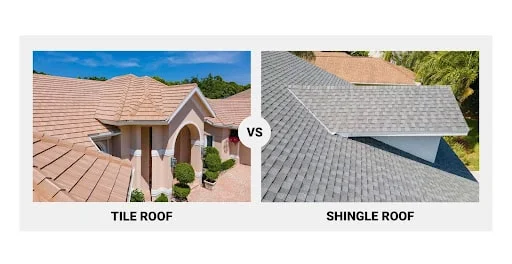
Tile roof installation and shingle roofing are the two most common paths for Florida homes, and both are code-compliant, insurable, and widely available from licensed contractors. The right answer depends less on personal taste and more on your budget, your roof structure, your home's architectural style, and how long you plan to stay in the house. This guide breaks down the real differences so you can make that decision with facts instead of guesswork.
Tile Roof Installation: What You're Actually Buying
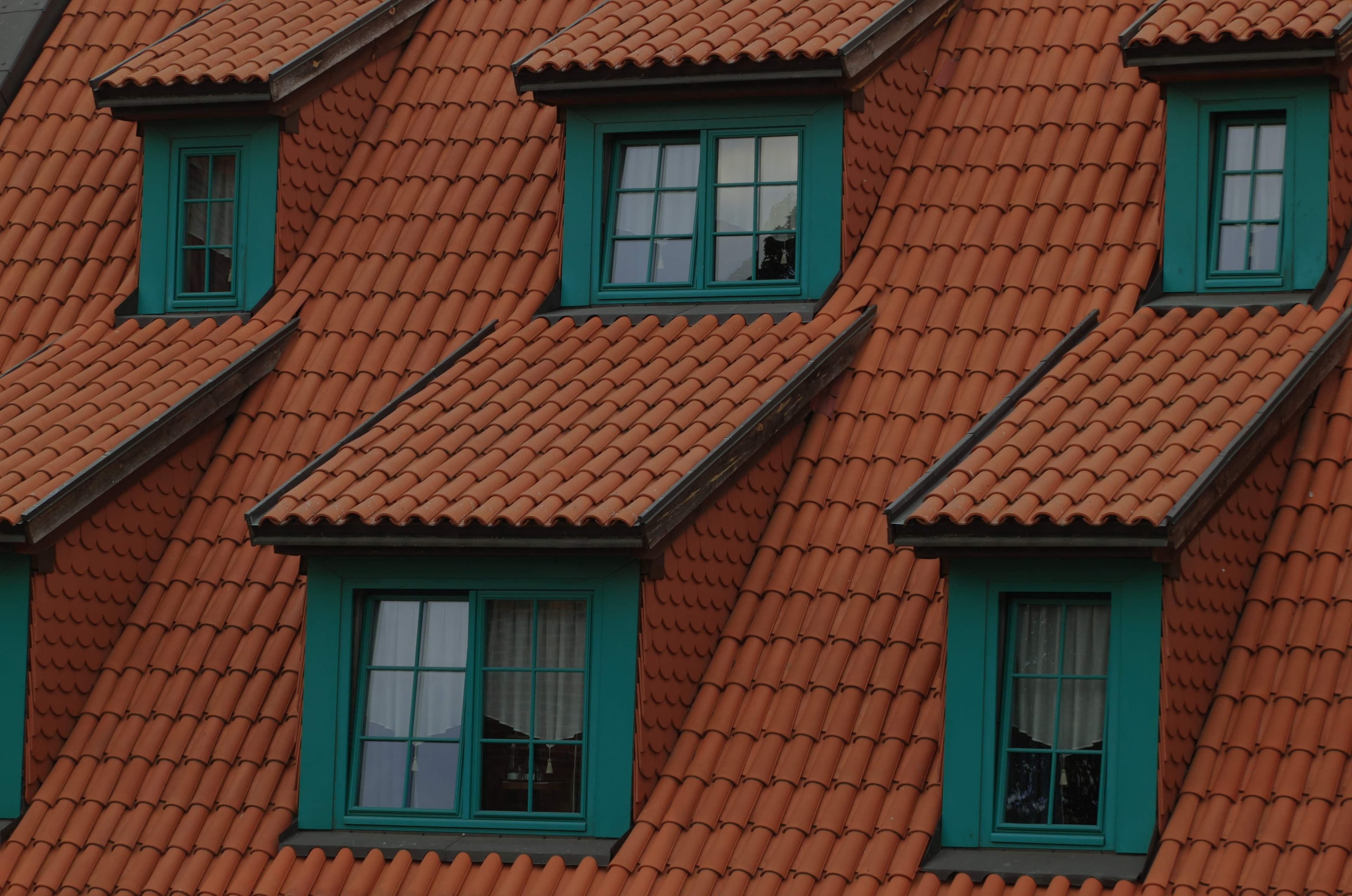
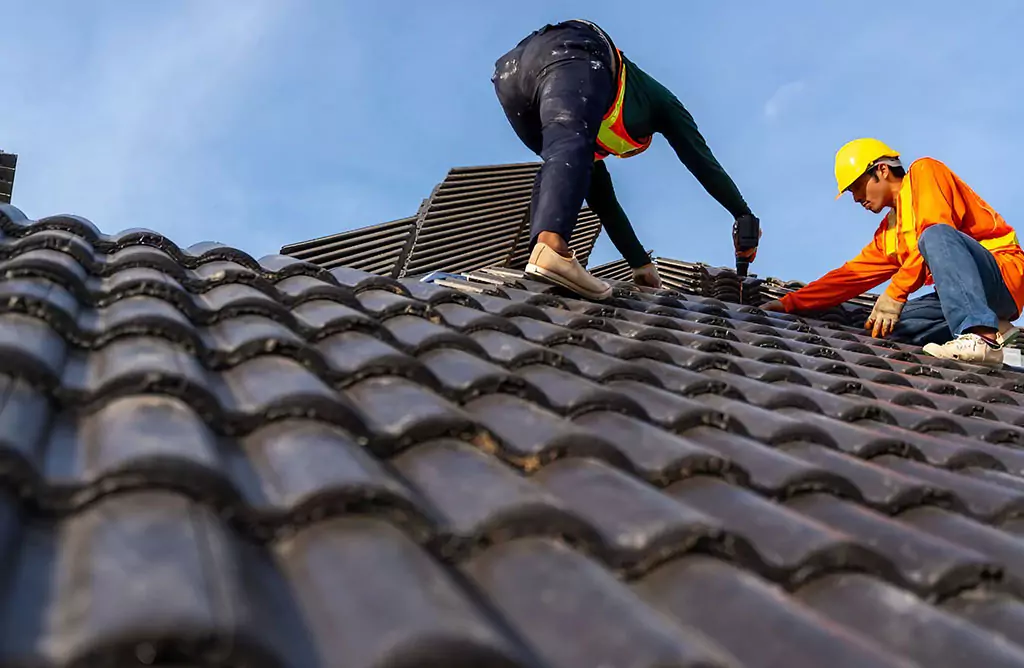 Tile roofing comes in two primary materials: concrete and clay. Both are shaped, cured or fired, and installed over battens or directly fastened to the deck depending on the profile, whether that's S-tile, flat, or traditional barrel. Tile is an inorganic material that resists degrading under Florida's intense UV exposure the way asphalt shingles eventually do, and a natural air gap beneath the tiles creates a ventilation layer that reduces heat transfer into the home. In a state where air conditioning runs nearly year round, that thermal break is not a minor detail. It shows up on the utility bill.
Berg General Contractors' tile roof installation team works with both concrete and clay systems, and the choice between them comes down to weight tolerance, budget, and how long you want the roof to last. Clay holds its color for the life of the material because the pigment is fired directly into the tile, while concrete tile is more budget-friendly upfront but may need recoating decades down the line to keep its finish looking fresh.
Tile is not without trade-offs. It is heavier than shingles, which means your roof structure needs to be engineered or reinforced to carry the load, and individual tiles can crack from a falling branch or heavy foot traffic during a repair. The good news is that damaged tiles can typically be replaced individually rather than requiring a full section tear-off, which keeps long-term maintenance costs manageable.
Shingle Roofing: Why It Still Dominates Florida Rooflines
Asphalt shingles remain the most installed roofing material in Florida, and for good reason. They are lighter, faster to install, less expensive upfront, and available in dozens of colors and profiles that suit almost any architectural style, from a 1970s ranch to a new-construction two-story. Berg General Contractors' shingle roofing service focuses on architectural and impact-rated shingle systems built specifically for Florida's wind and storm exposure, not the builder-grade three-tab shingles that struggle to make it past year fifteen in this climate.
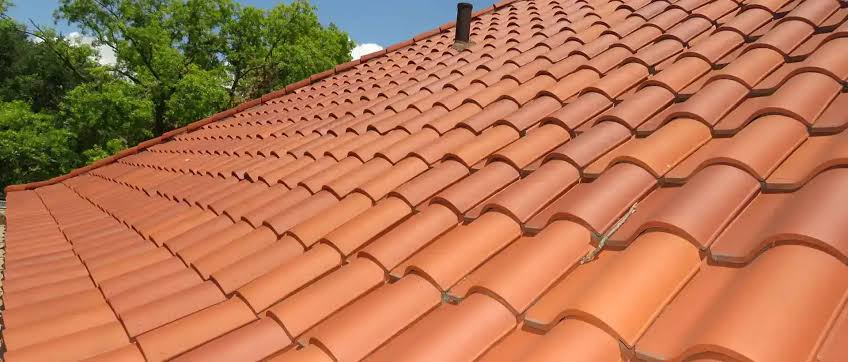
The category that matters most for Florida buyers is Class 4 impact-resistant shingles. These use a reinforced asphalt mat and modified materials to resist hail and wind-driven debris significantly better than standard architectural shingles, and in many counties they also unlock a meaningful insurance credit. If your existing roof is asphalt shingle and it is starting to show granule loss, curling edges, or repeat leaks, that is usually the signal that you are closer to a full roof replacement than another round of patch repairs.
Side-by-Side: Tile vs Shingle on the Numbers That Matter
Neither material is objectively "better" across every category. Tile wins on longevity and heat performance. Shingles win on upfront cost and structural flexibility. The right fit depends on which of those trade-offs matters more for your specific home and budget.
Hurricane and Wind Performance
This is the category Florida homeowners care about most, and it deserves a closer look than a single number suggests.
"Did you know? Florida's building code requires roofing materials in the state's High-Velocity Hurricane Zone to be tested to withstand winds up to 150 mph, one of the most demanding wind-resistance standards in the country. Clay and concrete tile roofing has been tested to meet that Florida Building Code standard for High-Velocity Hurricane Zones, with wind speeds up to 150 miles per hour, according to Roofing Contractor magazine. Source: roofingcontractor.com"
Both tile and shingle roofs can be engineered to survive a major hurricane, but the outcome depends heavily on installation quality, not just the material itself. Properly fastened concrete and clay tile can handle winds well above what most Florida counties require, while Class 4 impact-rated shingles close a large part of that performance gap for a fraction of the cost. Where tile has a real edge is impact resistance from wind-driven debris and its lower vulnerability to full-section blow-off compared to shingles installed with inadequate nailing patterns. The homes we see perform best after a hurricane aren't necessarily the ones with the most expensive roofing material. They're the ones where the fastening pattern, underlayment, and flashing details were done to code the first time. Material matters, but installation is what actually keeps a roof on the house.
If your home took wind or debris damage in a past storm, it's worth having a licensed team assess whether storm and hurricane damage repair or a full replacement makes more sense before the next season arrives.
Cost Breakdown: Installation, Lifespan, and Cost Per Year
Sticker price only tells part of the story. A more useful way to compare tile and shingle roofing is cost per year of expected service life.
Concrete tile: roughly $14,000 to $24,000 installed, over a 25 to 50 year lifespan, works out to roughly $400 to $700 per year of service.
Clay tile: roughly $18,000 to $30,000 installed, over a 50 to 100 year lifespan, can work out to as little as $250 to $450 per year for homeowners who stay in the property long term.
Architectural asphalt shingle: roughly $8,000 to $16,000 installed, over a 20 to 30 year lifespan, works out to roughly $350 to $650 per year.
When you run the numbers this way, tile and shingle roofing end up closer in long-term value than the upfront price tags suggest. Tile pulls ahead if you plan to stay in the home for decades. Shingles pull ahead if you want to minimize upfront cash outlay, plan to sell within 10 to 15 years, or your roof structure was not designed to carry additional weight.
Pro tip: Always ask your contractor for the manufacturer's rated wind speed and warranty terms in writing, not just the general material type. Two shingle products marketed the same way can carry very different wind and impact ratings.
Insurance and Wind Mitigation Credits
Florida is one of the only states where your roof choice directly affects your homeowners insurance premium through a state-mandated program. Florida homes can qualify for wind mitigation discounts based on roof covering type, with Asphalt Shingle and Concrete or Clay Tile among the roof coverings recognized on the state's Wind Mitigation form. A licensed inspector completes the official Uniform Mitigation Verification Inspection Form, and insurers are required under Florida law to apply the resulting discount to the windstorm portion of your premium.
The exact discount depends on your roof's age, shape, deck attachment, and roof-to-wall connection, not the material alone, so a well-installed shingle roof on a hip roofline can sometimes out-credit a poorly documented tile roof. This is one more reason installation quality and proper documentation matter as much as the material you choose. If your current roof has never been through this inspection, it's worth asking your contractor whether a roof inspection or an insurance claim roof assessment makes sense before your next renewal.
Weight, Structure, and Home Compatibility
Concrete and clay tile weigh significantly more per square foot than asphalt shingles, sometimes three to four times as much. Most homes originally built for tile can handle a tile re-roof without modification, but a home built with a truss system designed for shingles may need structural reinforcement before tile becomes an option. This is a step that gets skipped more often than it should, and it is not something to guess at.
Before committing to a material switch, a licensed contractor should evaluate your existing truss design, roof pitch, and deck condition. In some cases, switching from shingle to tile is straightforward. In others, the added engineering and reinforcement cost changes the entire budget conversation. This is also the point where a new roof installation assessment or a full structural review from Berg General Contractors can save you from a costly surprise mid-project.
How to Install Roof Shingles: The Process Homeowners Should Understand
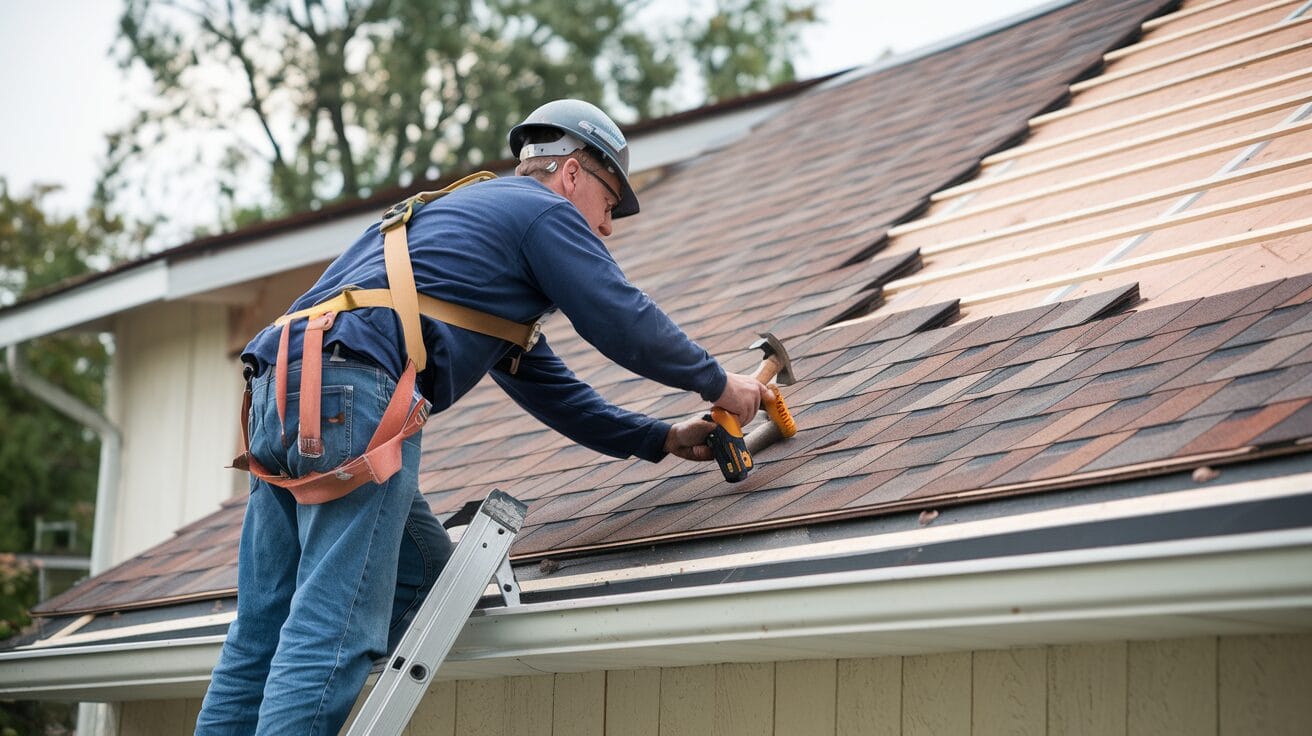 Even if you are hiring a professional crew, understanding the process helps you evaluate whether a contractor is cutting corners. A proper shingle installation in Florida generally follows this sequence:
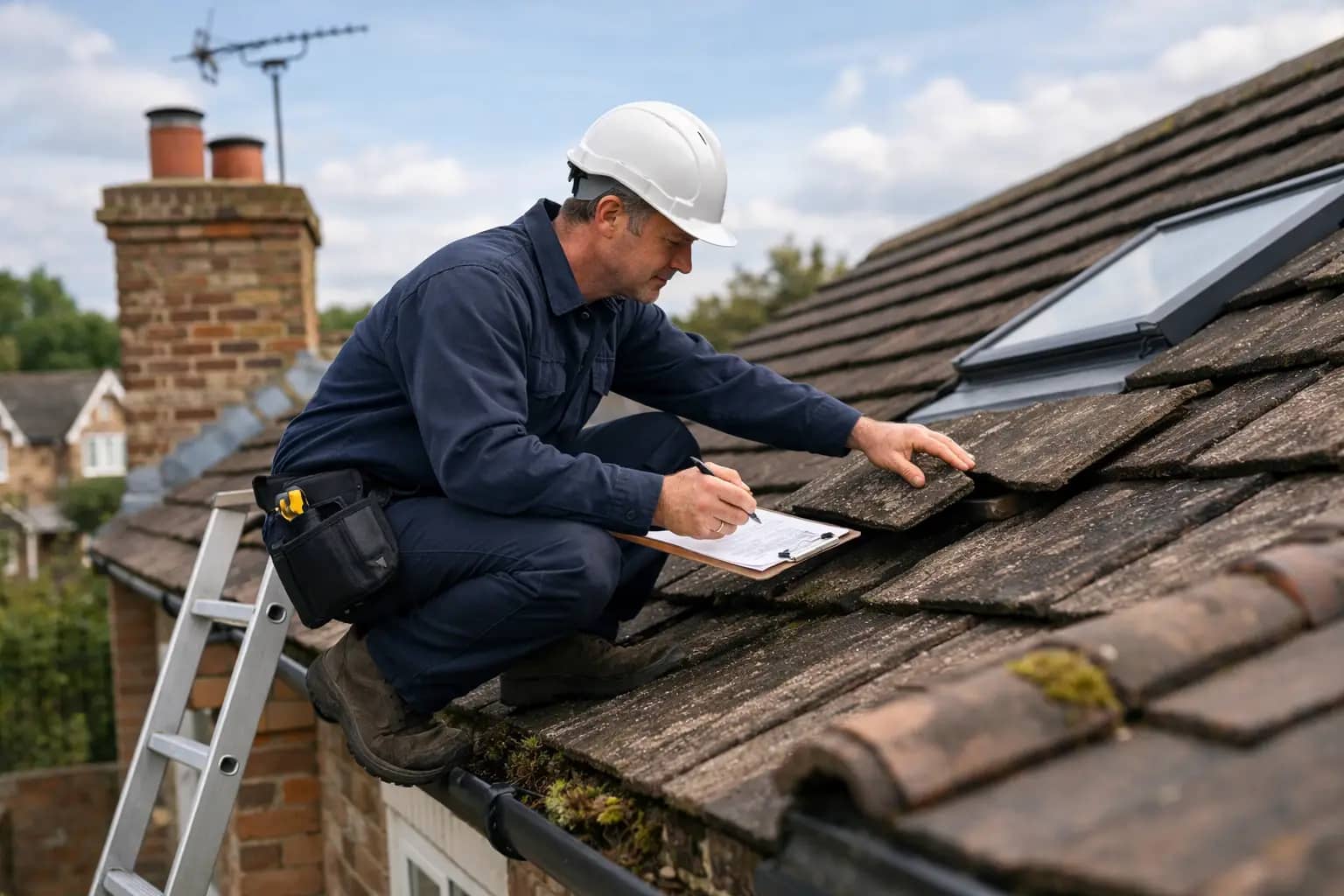
Tear-off and deck inspection. Old shingles and underlayment are removed down to the plywood or OSB deck, which is inspected for rot, soft spots, or delamination.
Deck repair and preparation. Any damaged sheathing is replaced and re-nailed to current code, since deck attachment is one of the categories insurers check for wind mitigation credit.
Underlayment installation. A synthetic or self-adhering underlayment is applied as the roof's secondary water barrier, a step that matters enormously in Florida's wind-driven rain.
Drip edge and flashing. Metal drip edge is installed along eaves and rakes, and flashing is set around chimneys, skylights, and vent penetrations.
Starter course and field shingles. Shingles are installed from the eave upward in overlapping courses, following the manufacturer's nailing pattern exactly, including nail count and placement, which directly affects the wind rating.
Ridge cap and ventilation. Ridge vents or caps are installed last to complete the attic ventilation path and finish the roofline.
Skipping or rushing any of these steps, especially the nailing pattern and underlayment, is the single biggest reason shingle roofs underperform their rated wind speed during a storm. This is also why DIY shingle installation is rarely a good idea in Florida, even for a small section, since it can void both the manufacturer warranty and your wind mitigation credit.
Beyond Residential: Metal and Commercial Roofing Considerations
Some homeowners weighing tile against shingles are also managing a rental property, small business, or multi-unit building, where the roofing conversation looks different. Metal roofing has become a strong third option for both residential and commercial Florida properties, offering wind ratings up to 180 mph and a 40 to 70 year service life. A common question that comes up during a re-roof evaluation is whether you can install a metal roof over shingles. In many cases the answer is yes, using a batten system and code-compliant underlayment, but it depends on your existing deck condition, local permitting, and whether the added weight and structure meet code, so it should always be confirmed with a licensed metal roofing contractor before assuming an overlay is possible.
For commercial and multi-tenant properties, the material conversation shifts again. Flat and low-slope commercial roofs behave differently than pitched residential roofs, and issues like ponding water and membrane seam failure require a different repair approach entirely. Berg General Contractors also handles commercial metal roofing, commercial flat roof repair, and new commercial roof installation for property owners managing office, retail, or industrial buildings alongside their primary residence. If a leak or storm damage needs fast turnaround on a commercial property, our commercial roof repair team is built for rapid response so downtime stays minimal.
Common Mistakes Florida Homeowners Make
Choosing material before confirming structural capacity. Falling in love with tile before an engineer confirms your trusses can carry the load leads to expensive change orders mid-project.
Comparing sticker price instead of cost per year. The cheapest quote is not always the cheapest roof over 20 years.
Skipping the wind mitigation inspection after a re-roof. A new roof that never gets documented on the OIR-B1-1802 form leaves insurance savings on the table.
Assuming all shingles are rated the same. Builder-grade three-tab shingles and Class 4 impact-rated architectural shingles are not interchangeable in performance or price.
Hiring based on the lowest bid without checking licensing. Florida requires roofing contractors to hold a state license (like CCC1336268), and unlicensed storm-chasing crews are a common source of post-hurricane complaints.
So, Which Roof Is Actually Better for Your Florida Home?
There is no universal winner between tile and shingle roofing. Tile roof installation makes the most sense if your home is architecturally suited for it, your structure can carry the weight, and you plan to stay in the home long enough to benefit from its 50-plus year potential lifespan. Shingle roofing makes the most sense if you want a lower upfront cost, a lighter structural load, and a material that fits nearly any home style, especially when upgraded to a Class 4 impact-rated product.
Expert insight: In our experience re-roofing homes across Miami, Tampa, and Orlando, the deciding factor is rarely the material itself. It's how long the homeowner plans to stay in the house and whether the existing structure was built for the added weight of tile. Get those two answers right, and either material will serve a Florida home well for decades.
Get Expert Roofing Guidance From Berg General Contractors
Choosing between tile and shingle roofing is a decision that affects your home's protection, resale value, and insurance costs for decades. Berg General Contractors is a licensed general contractor and roofing company serving homeowners across Florida, from Miami and Fort Lauderdale to Tampa, Orlando, and Jacksonville.
Our team will walk your property, evaluate your existing structure, and give you a straightforward recommendation, not a sales pitch, on whether tile, shingle, or metal is the right fit for your home and budget.
Book Now: Schedule Your Free Roof Consultation Contact Us