August 21, 20266 min read
Everything Florida property owners need to know about commercial flat roofing inspections, including a full checklist, frequency guide, and mistakes to avoid.
By Berg General ContractorsAugust 21, 20266 min read
01
A Complete Guide to Commercial Flat Roof Inspections
A commercial flat roof rarely fails without warning. Small issues — a soft spot near a drain, a hairline crack in the flashing, ponding water that never quite dries — sit quietly for months before they turn into a five-figure repair bill or a leak that shuts down operations. The property owners who avoid that outcome are the ones who treat inspections as routine maintenance instead of an afterthought.
This guide walks through everything commercial property owners and managers need to know about inspecting a flat roof: what inspectors actually look for, how often to schedule a visit, the checklist professionals use, and the mistakes that quietly shorten a roof's lifespan. Whether you manage a single retail building or a portfolio of industrial properties, this is the roadmap to keeping your roof — and your budget — protected.
02
What Is a Commercial Flat Roof Inspection?
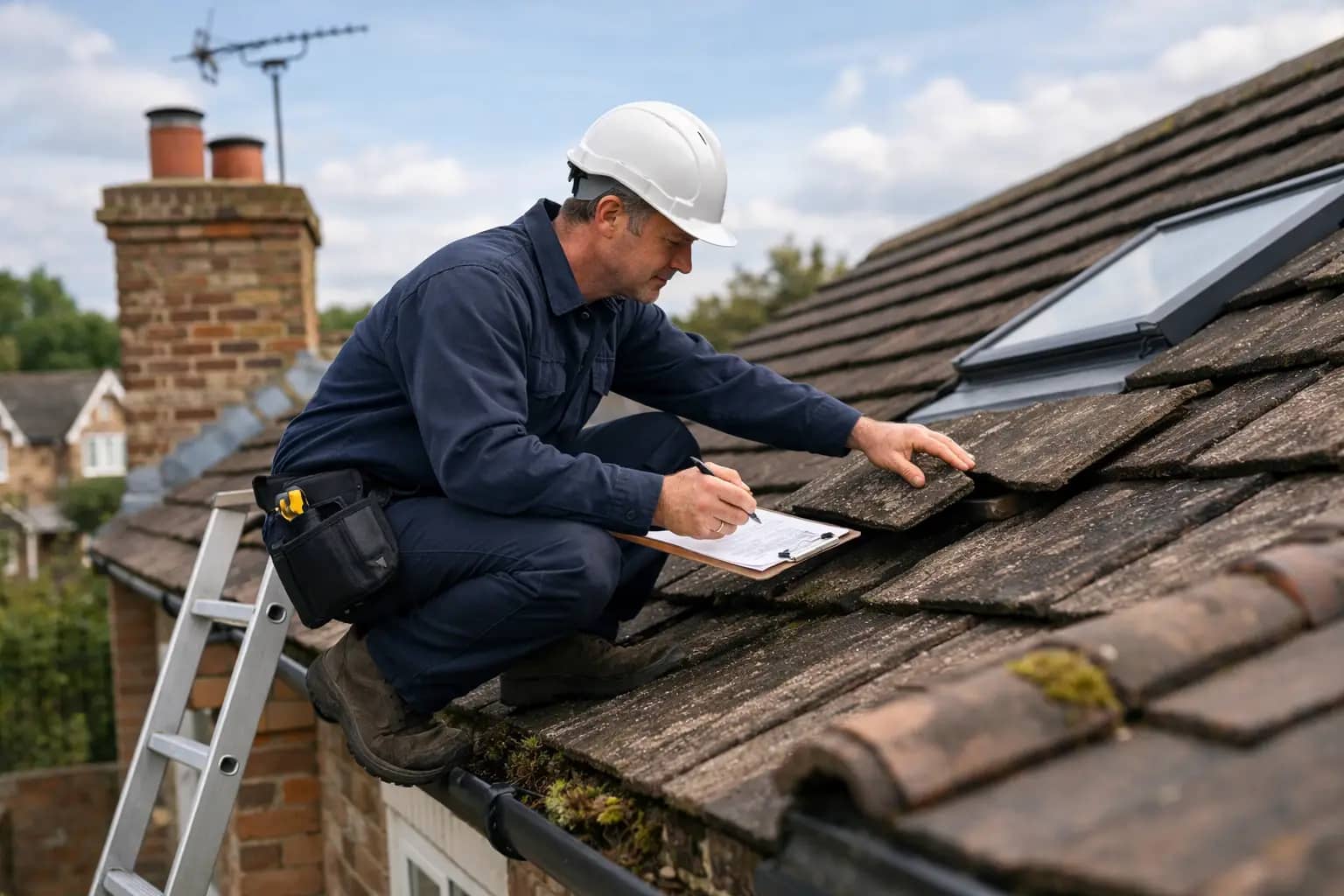
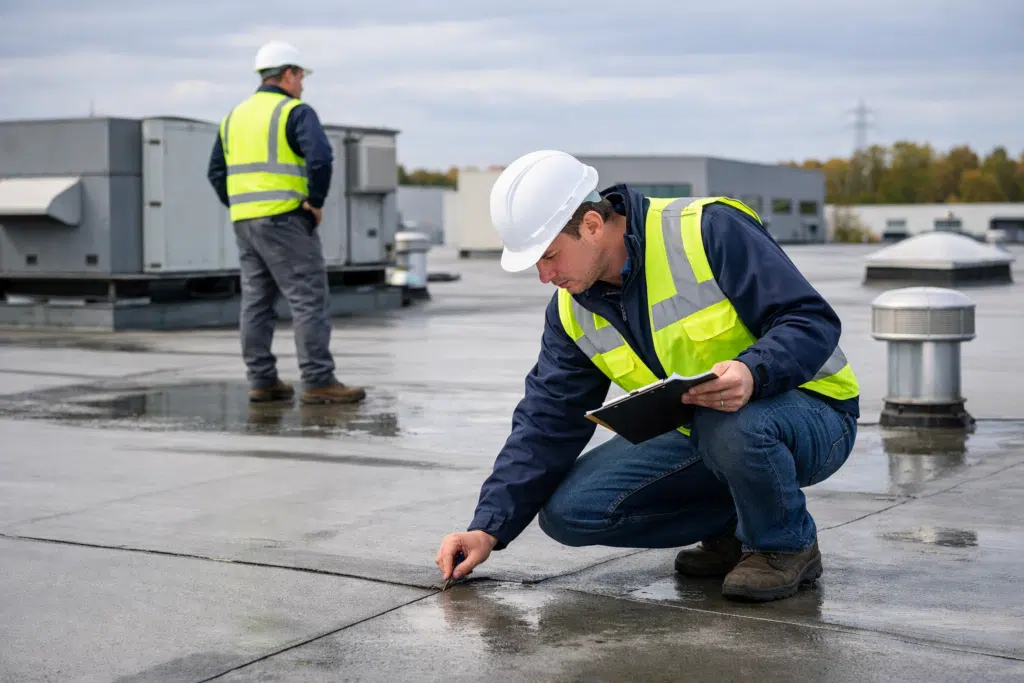
A commercial flat roof inspection is a systematic evaluation of a low-slope roofing system — covering the membrane, flashing, drainage, insulation, and structural components — to identify existing damage and conditions that could lead to leaks or failure. Unlike a quick visual glance from the parking lot, a proper inspection involves walking the entire roof surface, checking seams and penetrations up close, and documenting findings with photos and a written report.
Flat and low-slope roofs are standard on warehouses, retail centers, office buildings, and industrial facilities because they are cost-effective to build and provide usable rooftop space for HVAC and mechanical equipment. That same design also means water has nowhere to run off quickly, which is exactly why commercial flat roofing systems need closer, more frequent attention than a pitched residential roof.
03
Why Regular Roof Inspections Matter
A flat roof is one of the largest and most exposed assets on any commercial property, and also one of the most expensive to replace. Regular inspections matter for a few concrete reasons:
- They catch small problems before they become structural ones. A blistered membrane caught early is a patch job. Left alone through two rainy seasons, it can mean rotted decking.
- They protect your warranty. Most commercial roofing manufacturers require documented periodic inspections to keep a warranty valid.
- They reduce insurance and liability exposure. Insurers increasingly ask for inspection records after storm events, and a documented maintenance history strengthens any claim.
- They extend the roof's service life. A well-maintained TPO, EPDM, or modified bitumen roof can outlast its rated lifespan by years. A neglected one rarely reaches it.
- They protect what's underneath. Inventory, equipment, server rooms, and tenant improvements are all exposed the moment a roof starts to leak.
04
How Often Should You Schedule an Inspection?
Most manufacturers and roofing associations recommend a minimum of two inspections per year — one in spring and one in fall — plus additional checks after any significant storm. In Florida specifically, that means a pre-hurricane-season inspection in late spring and a post-season check once storm activity has passed.
| Situation | Recommended Frequency |
|---|---|
| Standard commercial flat roof | 2x per year (spring and fall) |
| Roof older than 15 years | 2 to 4x per year |
| After a major storm or hail event | Within 48 to 72 hours |
| New roof under warranty | Per manufacturer's schedule, typically annual |
| Before a property sale or lease renewal | 1x, as part of due diligence |
05
Commercial Flat Roof Inspection Checklist
This is the core of any commercial roof inspection — the areas a trained inspector will walk through methodically rather than glance at from a ladder. A thorough inspection covers five key categories: the roof surface and membrane, drainage systems, flashing and penetrations, interior and structural signs, and documentation.
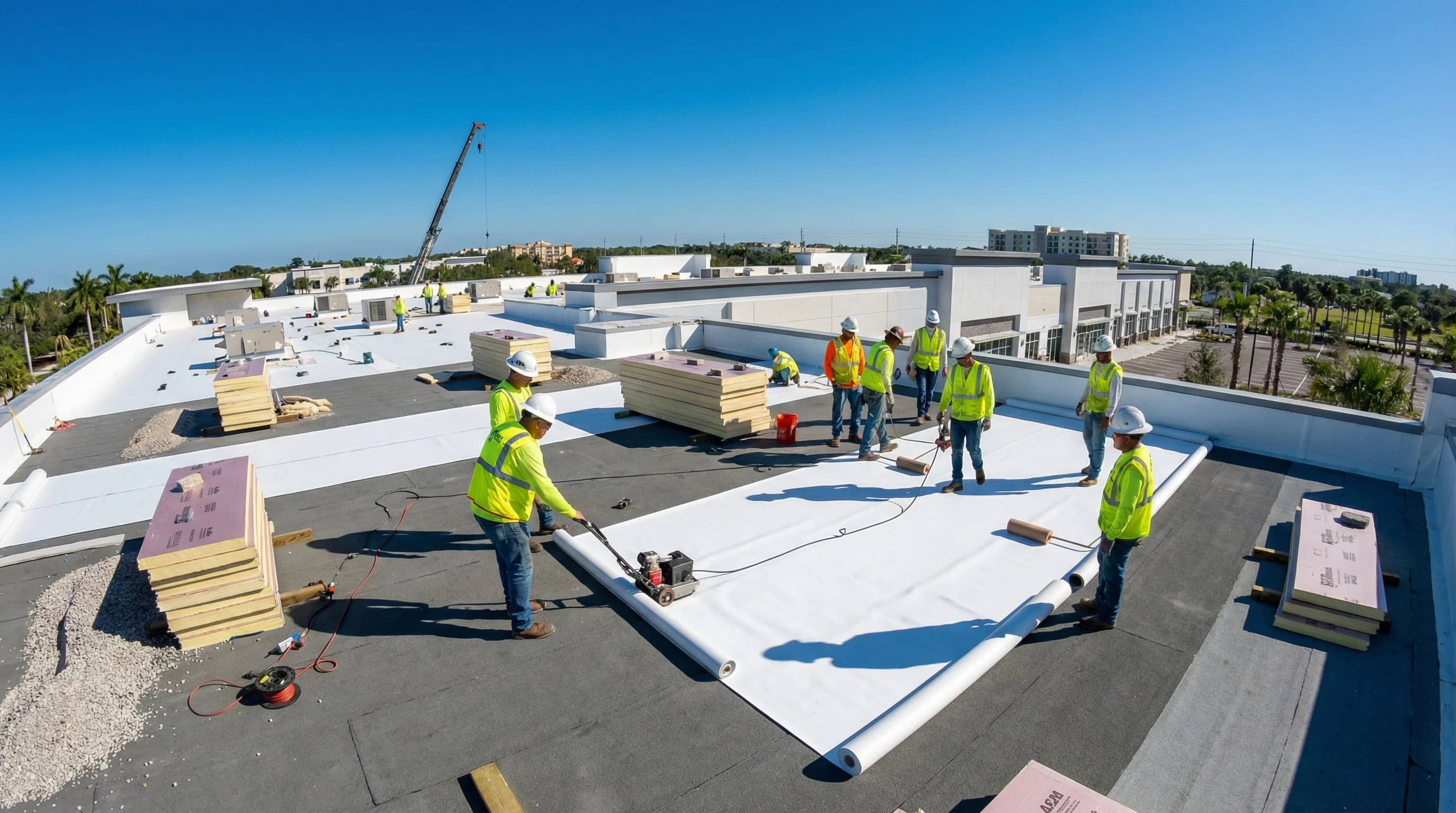
On the roof surface, inspectors check for blistering, bubbling, or splitting in the membrane; punctures or tears near equipment and foot-traffic paths; seam separation on TPO and PVC systems; ponding water more than 48 hours after rain; and granule loss on modified bitumen systems.
For drainage, they confirm all drains, scuppers, and gutters are clear of debris; verify drain bowls sit flush with the roof surface; inspect downspouts for clogs or disconnection; and confirm adequate slope toward drainage points.
Flashing and penetrations require a close look at HVAC units, vents, pipes, and skylights; parapet wall caps and coping for gaps or loose fasteners; pitch pans for cracked or missing sealant; and any separation where the membrane meets vertical walls.
Interior and structural checks include ceiling tiles and drywall for water stains, musty odors indicating hidden moisture, insulation dampness at interior access points, and any roof deck sagging visible from below.
Documentation ties everything together: dated photos of every issue found, measurements of ponding areas or membrane damage, comparison against the previous inspection report, and a written summary with repair priority levels.
06
Common Mistakes Property Owners Make
Even well-intentioned property managers fall into a few predictable traps:
- Waiting for a visible leak. By the time water shows up inside the building, damage has usually been developing for months.
- Skipping inspections after minor storms. Wind-driven debris and hail don't need to be catastrophic to compromise a membrane.
- Patching without diagnosing the cause. Sealing a leak's exit point without finding its source is a temporary fix at best.
- Letting rooftop equipment installations go unchecked. New HVAC units or satellite dishes installed by other contractors often puncture roofing without proper flashing.
- Ignoring warranty inspection requirements. Many owners lose manufacturer warranty coverage simply because they never scheduled the required documented inspections.
07
DIY Inspection vs. Hiring Commercial Roofing Contractors
A quick visual walk-through by facility staff has value between professional visits, but it is not a substitute for a full inspection. Untrained eyes miss subtle membrane separation, cannot safely access all roof zones, and rarely document findings in a way that supports warranty or insurance claims.
Licensed commercial roofing contractors bring roofing-specific expertise, safety equipment, moisture-detection tools, and manufacturer certifications that most in-house teams simply do not have. They also know what normal wear looks like on a ten-year-old TPO membrane versus what signals an active failure — a distinction that matters when you are deciding whether to budget for a patch or a full replacement.
08
What Happens During a Professional Inspection
At Berg General Contractors, a typical commercial roof inspection follows a consistent process designed to give property owners a clear, documented picture of roof condition:
- Site review and history check. The inspector reviews any prior reports, warranty documents, and known problem areas before stepping on the roof.
- Full surface walk. Every section of the roof is walked — not just spot-checked — including areas around rooftop equipment.
- Detailed component inspection. Membrane, flashing, drainage, parapet walls, and penetrations are each assessed individually.
- Moisture scanning where needed. For older roofs or roofs with a history of leaks, infrared or capacitance moisture detection may be used to find hidden wet insulation.
- Photo and report delivery. The property owner receives a written report with photos, prioritized findings, and repair recommendations — useful for budgeting, insurance, and compliance purposes.
“Roofs that get consistent, documented inspections rarely need emergency repairs. The properties that call us after a storm with an active leak are almost always the ones that skipped their last scheduled visit.”
09
New Construction and Roof Inspections
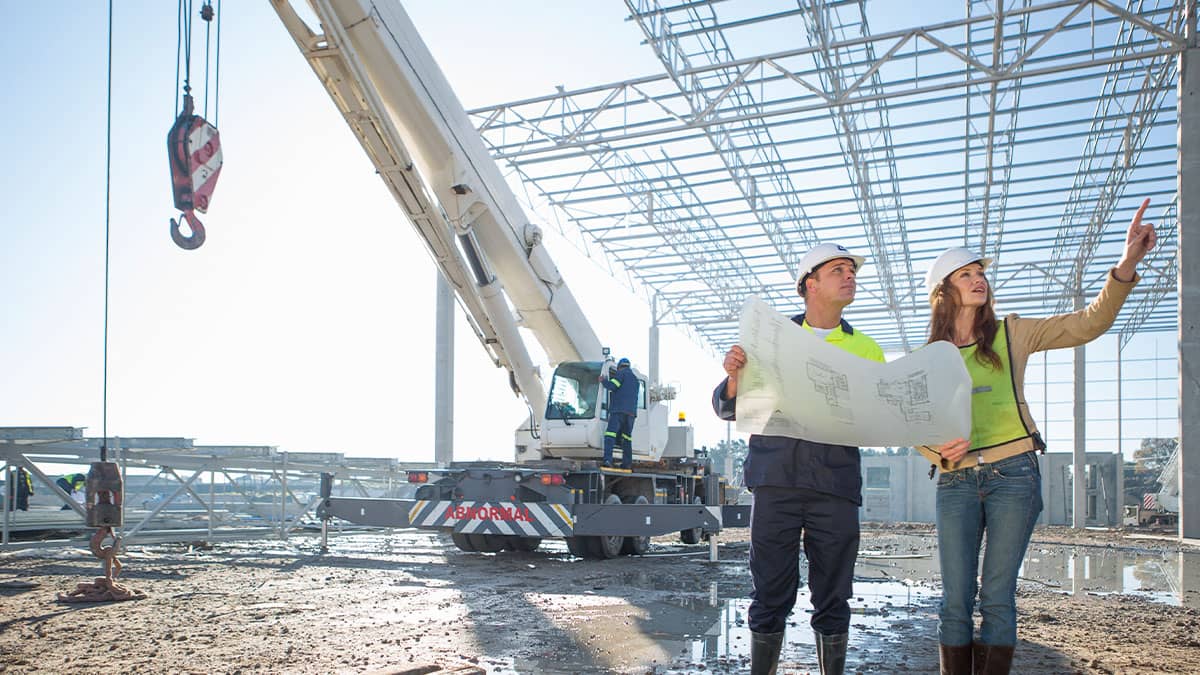
Inspections are not only for aging roofs. New construction projects benefit just as much — arguably more — from a rigorous inspection process. Working with experienced new construction roofing contractors means catching installation errors, improper flashing details, or drainage design flaws before the roof is ever put into service, when they are far cheaper to correct.
A pre-substantial-completion roof inspection should verify that the installed system matches manufacturer specifications, that flashing details meet code, and that drainage is properly sloped. Skipping this step on a new build can mean inheriting problems that surface during year one of the warranty period — problems that could have been caught and corrected during construction.
10
Pro Tips to Extend Your Roof's Lifespan
Consistent habits between professional inspections make a measurable difference in how long a flat roof lasts.
- Keep a written maintenance log — even for minor repairs — to build a documented history for insurance and warranty purposes.
- Trim overhanging trees to reduce debris accumulation on the roof surface.
- Coordinate with any contractor installing rooftop equipment so roofing warranties are not voided by unauthorized penetrations.
- Budget for a preventive maintenance plan rather than reactive repairs.
- Schedule your fall inspection before the first major cold front, not after.
11
Protect Your Investment With a Professional Roof Inspection
A commercial flat roof is easy to ignore until it fails — and by then the fix is always more expensive than the maintenance would have been. Regular, documented inspections are one of the simplest ways to protect your building, your budget, and your tenants.
If it has been more than six months since your last inspection, Berg General Contractors can help. Our team provides thorough commercial roof inspection services across Florida, backed by licensed commercial roofing contractors who know what to look for.
12
Frequently Asked Questions
- How much does a commercial flat roof inspection cost? Cost varies based on roof size, accessibility, and whether moisture scanning is included, but many contractors offer inspections at low or no cost when paired with a maintenance agreement.
- How long does a flat roof inspection take? A typical inspection on a mid-size commercial building takes one to three hours, depending on roof size and the number of penetrations and equipment units to check.
- Can I inspect my own commercial roof? Routine visual checks by staff are useful between professional visits, but a full inspection should be performed by a licensed commercial roofing contractor with the training and tools to catch issues that are not visible from a walkthrough.
- What is the difference between a roof inspection and a roof assessment? An inspection documents current condition and immediate concerns. An assessment often goes further, evaluating remaining useful life and providing repair-versus-replacement recommendations for budgeting purposes.
- Do roof inspections affect my insurance premiums? Many insurers offer more favorable terms — or require documentation at renewal — for properties with a consistent inspection history, since it demonstrates proactive risk management.