September 7, 20265 min read
Learn how to vet a commercial general contractor in Florida, from licensing to project fit. Get the checklist Florida business owners actually use.
By Berg General ContractorsSeptember 7, 20265 min read
01
How to Choose the Right Commercial General Contractor in Florida
A commercial general contractor is the single point of accountability for a construction or remodeling project. They pull permits, hire and supervise subcontractors, order materials, manage the schedule, and answer for quality and code compliance from the first walkthrough to the final punch list. For a business owner or property manager, that means one phone number to call instead of a dozen trade contacts to chase down.
Choosing the right one is not a small decision. A skilled commercial general contractor protects your budget, your timeline, and your ability to keep operating while the work happens around you. Choose poorly, and you inherit change orders, missed deadlines, and a building that may not pass inspection.
This guide breaks down exactly what to check before you sign a contract, so you hire with confidence instead of guesswork.
02
Why the Right Choice Matters More in Florida
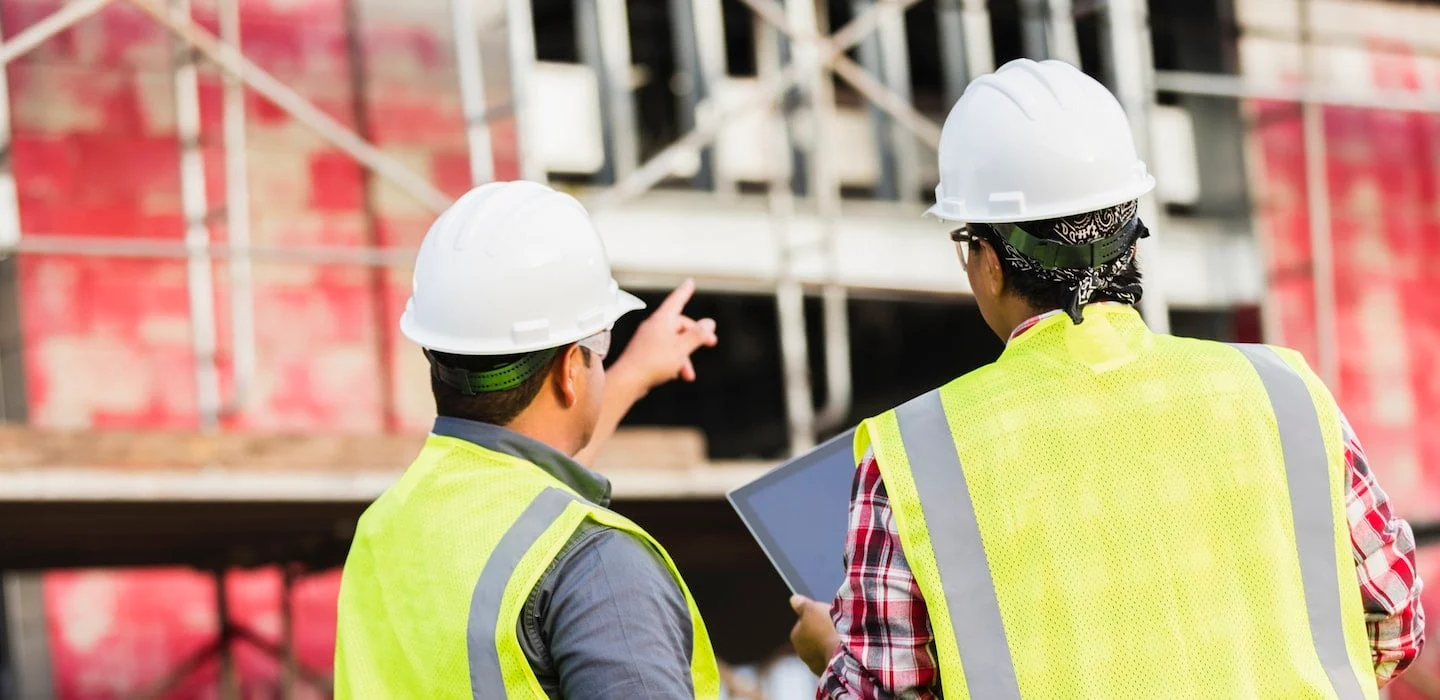 Florida is not an easy place to build. Hurricane-rated construction standards, humidity-driven material demands, and a fast-moving development market all raise the stakes on who you trust with your building.
Did you know? Florida's commercial building construction industry includes nearly 4,900 businesses and generates roughly $17.7 billion a year in market activity, according to IBISWorld's Florida industry data. With that many firms competing for work, the gap between an average contractor and a genuinely reliable one is wide, and it shows up in your final invoice.
A general contractor who understands Florida's wind-load codes, permitting timelines, and flood-zone requirements will save you money before the first wall goes up, simply by designing around problems instead of discovering them mid-project.
Florida is not an easy place to build. Hurricane-rated construction standards, humidity-driven material demands, and a fast-moving development market all raise the stakes on who you trust with your building.
Did you know? Florida's commercial building construction industry includes nearly 4,900 businesses and generates roughly $17.7 billion a year in market activity, according to IBISWorld's Florida industry data. With that many firms competing for work, the gap between an average contractor and a genuinely reliable one is wide, and it shows up in your final invoice.
A general contractor who understands Florida's wind-load codes, permitting timelines, and flood-zone requirements will save you money before the first wall goes up, simply by designing around problems instead of discovering them mid-project.
03
Start With Licensing, Insurance, and Compliance
This is the non-negotiable first filter. In Florida, a legitimate commercial general contractor should hold an active Certified General Contractor (CGC) license through the Florida Department of Business and Professional Regulation, carry general liability insurance, and provide workers' compensation coverage for their crews.
Before you go further in the conversation, ask for:
-Their CGC license number, so you can verify it directly with the state
-Proof of current liability and workers' comp insurance
-Local business registration in the counties where they operate
A contractor who hesitates to share this information is telling you something important.
04
Match Their Experience to Your Project Type
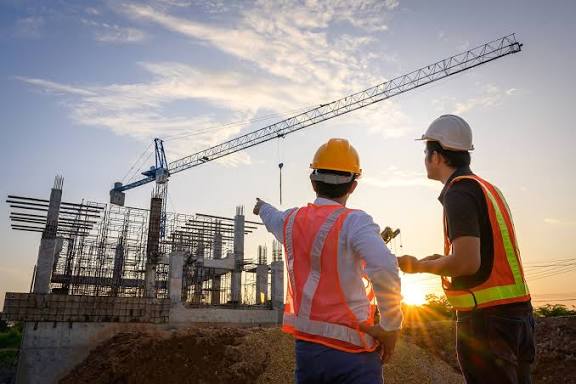 "General contractor" covers a wide range of work, and not every firm is equally strong in every category. Office buildouts, industrial renovations, retail construction, and tenant improvements each demand different sequencing, trade coordination, and code knowledge.
When you're comparing commercial general contractors near me, ask to see completed projects that resemble yours, not just their most impressive job. A contractor with a strong industrial track record may not be the right fit for a hospitality remodel, and vice versa. Reviewing a firm's past projects tells you more about their actual capabilities than a sales pitch does.
Pay attention to whether they mention construction management experience specifically. Managing subcontractors, sequencing trades, and keeping a Florida job site moving through permitting requires a different skill set than simply swinging a hammer, and it's the difference between a project that finishes on schedule and one that stalls at every inspection.
"General contractor" covers a wide range of work, and not every firm is equally strong in every category. Office buildouts, industrial renovations, retail construction, and tenant improvements each demand different sequencing, trade coordination, and code knowledge.
When you're comparing commercial general contractors near me, ask to see completed projects that resemble yours, not just their most impressive job. A contractor with a strong industrial track record may not be the right fit for a hospitality remodel, and vice versa. Reviewing a firm's past projects tells you more about their actual capabilities than a sales pitch does.
Pay attention to whether they mention construction management experience specifically. Managing subcontractors, sequencing trades, and keeping a Florida job site moving through permitting requires a different skill set than simply swinging a hammer, and it's the difference between a project that finishes on schedule and one that stalls at every inspection.05
Evaluate Their Process, Not Just Their Portfolio
A contractor's process tells you more about how your project will actually run than their marketing materials do. Ask them to walk you through what happens after you sign, from the initial site assessment through final handover.
Pro tip: Ask specifically how the contractor handles document control and closeout. Firms with a defined document control process and a structured closeout procedure are far less likely to leave you with missing warranties, unresolved punch-list items, or paperwork gaps that cause problems when you try to sell or refinance the property later.
A solid process typically looks like this:
1. Initial consultation to understand goals, budget, and timeline
2. On-site assessment of structural and space conditions
3. A detailed proposal with clear estimates and materials
4. Scheduling and trade coordination
5. Construction with regular progress updates
6. Final inspection and a documented handover
If a contractor cannot describe their process clearly, that is a warning sign, not a minor detail.
06
Common Mistakes Business Owners Make When Hiring a GC
Even experienced property managers fall into a few predictable traps when hiring a contractor:
1. Choosing on price alone. The lowest bid often means corners will be cut somewhere, whether in materials, labor, or timeline padding.
2. Skipping reference checks. A quick call to two or three past clients reveals more than any portfolio page.
3. Ignoring site preparation quality. Projects that skip proper site preparation tend to run into costly surprises once work is underway.
4. Not asking about material lead times. Florida's supply chain has real bottlenecks, and a contractor who cannot speak to current lead times is not planning your schedule realistically.
5. Overlooking warranty terms. A vague warranty is often worth exactly as much as it sounds. Ask what is covered, for how long, and how claims get handled.
1. Choosing on price alone. The lowest bid often means corners will be cut somewhere, whether in materials, labor, or timeline padding.
2. Skipping reference checks. A quick call to two or three past clients reveals more than any portfolio page.
3. Ignoring site preparation quality. Projects that skip proper site preparation tend to run into costly surprises once work is underway.
4. Not asking about material lead times. Florida's supply chain has real bottlenecks, and a contractor who cannot speak to current lead times is not planning your schedule realistically.
5. Overlooking warranty terms. A vague warranty is often worth exactly as much as it sounds. Ask what is covered, for how long, and how claims get handled.
07
Questions to Ask Before You Sign
Bring this list to your first meeting with any commercial contractor:
-Are you licensed and insured in the county where my project is located?
-Can I see three references from projects similar to mine?
-What is your typical timeline for a project of this scope?
-How do you handle change orders and unexpected costs?
-Who is my direct point of contact once the project starts?
-What warranty do you provide on labor and materials?
"Based on working with commercial and industrial clients across Florida for years, I've consistently seen that the projects with the fewest headaches are the ones where the owner asked hard questions upfront, not the ones with the lowest bid," says the team at Berg General Contractors.
08
Why Florida Businesses Work With Berg General Contractors
Berg General Contractors is a Florida-based, fully licensed commercial construction contractor serving office, industrial, and retail clients across the state, from Miami and Tampa to Jacksonville and Fort Lauderdale. The team has completed 500+ projects, works with 300+ commercial and industrial clients, and holds a 5.0 client rating built on transparent pricing and clear communication throughout every phase of the job.
Whether you need general contracting services for a full build-out, ongoing commercial construction remodeling for an aging space, or a partner who understands Florida's roofing and structural codes, Berg General Contractors brings a documented process, upfront estimates, and a single point of contact from consultation to final walkthrough.
09
Ready to start your project?
Don't leave your next commercial build in the hands of an unverified contractor. Berg General Contractors brings licensed expertise, transparent pricing, and a documented process to every job across Florida, from the first consultation to final walkthrough.
Book Now for a free consultation and on-site assessment to ask a question first.
10
FAQ
- What does a commercial general contractor do? A commercial general contractor manages an entire project, from permitting and scheduling to hiring crews and quality control, acting as a single point of contact from start to finish.
- How much does it cost to hire a commercial general contractor in Florida? Costs vary widely based on project scope, square footage, and finish level. Most reputable contractors provide a detailed, itemized estimate after an on-site assessment rather than a flat number over the phone.
- How long does a commercial construction or remodeling project typically take? Smaller office remodels may take a few weeks, while larger industrial or ground-up projects can take several months, depending on permitting and material lead times.
- Is Berg General Contractors licensed in Florida? Yes, Berg General Contractors is fully licensed and insured as a general contractor and roofing contractor in Florida.
- What is the difference between a general contractor and a construction manager? A general contractor typically holds the contract and assumes the risk for delivering the finished project, while a construction manager may act as an advisor or agent for the owner. Many firms, including Berg General Contractors, offer both models depending on the project.