Learn the materials, how it’s installed, common repairs and if it suits your commercial building. Book an inspection today.
Modified bitumen roofing is one of the most proven low-slope systems for commercial buildings, and it is still widely specified across Florida. If you manage a warehouse, office, retail center or condominium, you have probably heard the term from a roofer or an inspector and wondered what it really means. This guide explains what it is, how it is installed, how repairs work and whether it fits your property.
What Is Modified Bitumen Roofing and How Does a Modified Bitumen Roof System Work?
Modified bitumen roofing is a multi-layer, asphalt-based membrane designed for flat and low-slope roofs. Manufacturers blend asphalt with polymers, usually SBS rubber or APP plastic, and reinforce the sheets with polyester or fiberglass mats. The polymers make the asphalt more flexible in cold weather and more stable in heat, so a modified bitumen roof can move with the building instead of cracking.
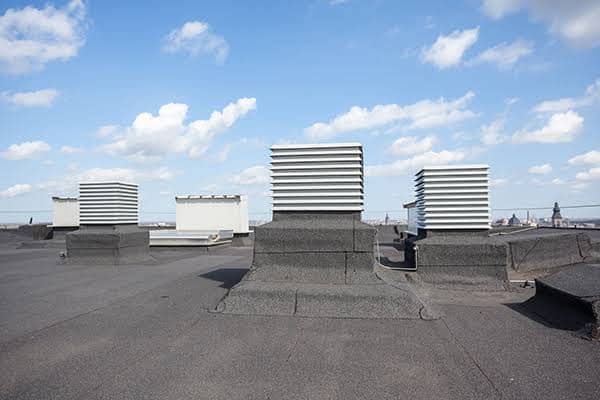
A typical modified bitumen roof system includes insulation, a base sheet and a cap sheet. The cap is often surfaced with mineral granules that shield the asphalt from UV. For a broader look at flat systems, see our commercial flat roofing page.
Modified Bitumen Roofing Materials: What Goes Into the System?
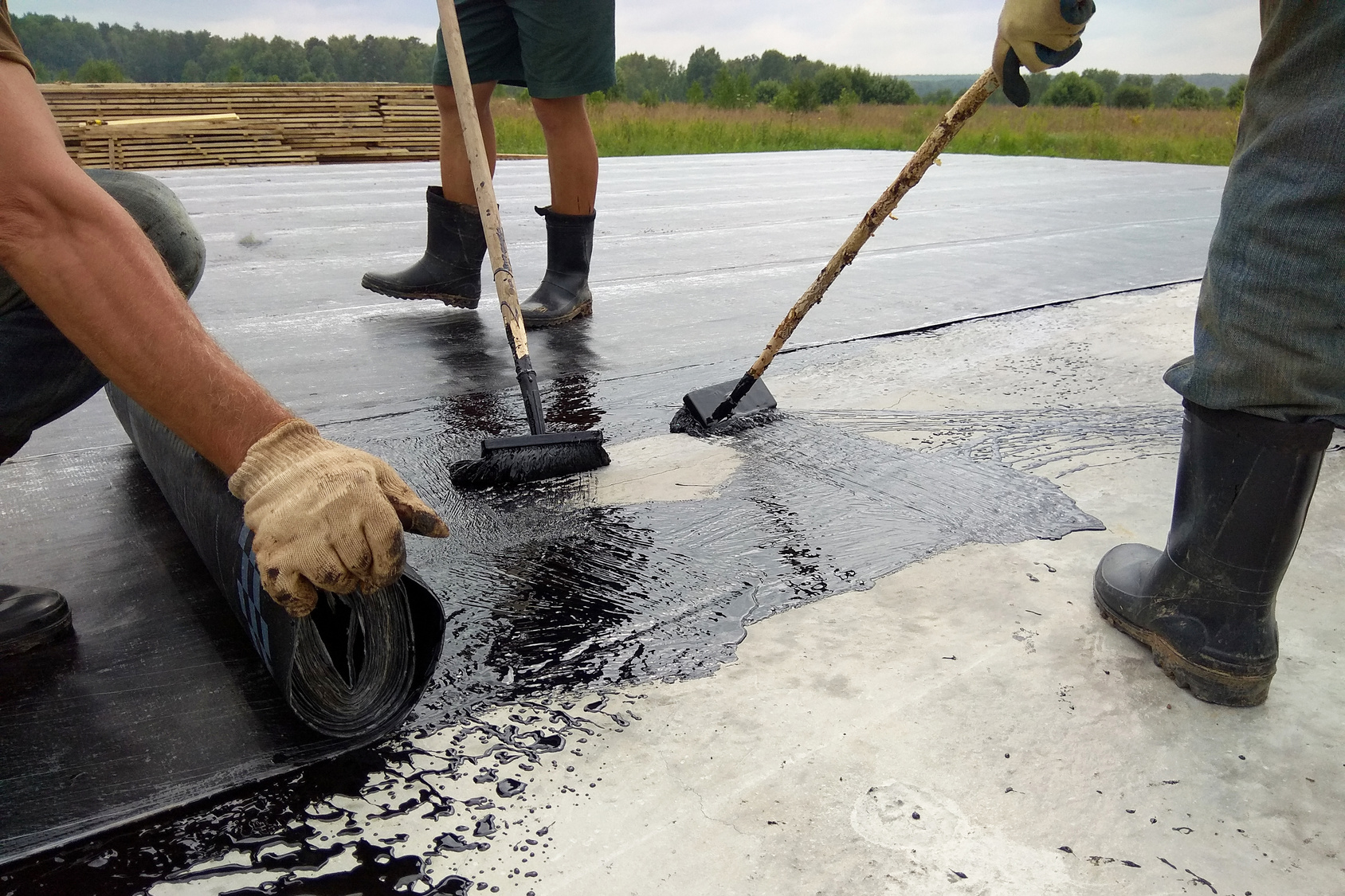
The quality of the finished roof depends on every layer. Here are the core modified bitumen roofing materials you will see in a proposal:
Base sheet: the first waterproofing layer, fastened or adhered to the insulation or deck
Cap sheet: the exposed top layer, usually granulated for UV and weather protection
SBS or APP modifiers: SBS offers rubber-like flexibility, while APP offers strong UV stability
Insulation and cover board: these improve energy performance and protect the membrane
Flashings, adhesives and sealants: the details that keep walls, drains and curbs watertight
Reflectivity matters in Florida. According to the Department of Energy, a cap sheet with a factory-applied reflective mineral surface or a reflective coating is a recognized cool roof option for this type of system.
How Is Modified Bitumen Roofing Installed on a Commercial Building?
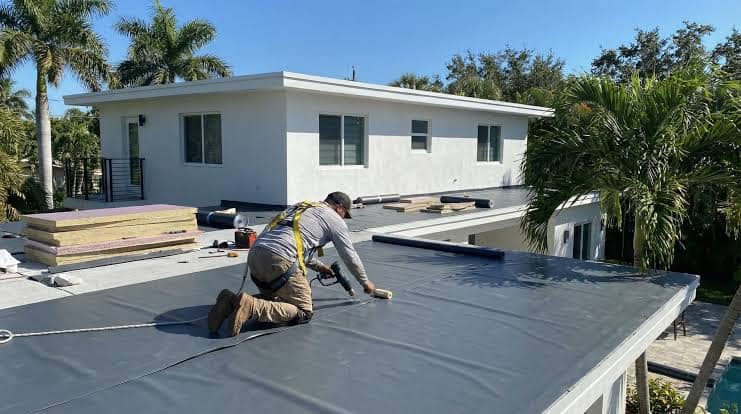
A professional installation follows a clear sequence:
Inspect and prepare: remove old roofing as needed, repair damaged decking and clean the surface.
Install insulation or cover board: fasten or adhere it according to the wind-uplift design.
Apply the base sheet: this creates the first waterproof layer.
Install the cap sheet: seams are offset from the base sheet and fully bonded.
Seal seams and flashings: walls, drains, curbs and penetrations get the most attention.
Final inspection and documentation: the crew checks the work, cleans the site and prepares warranty paperwork.
Modified Bitumen Roofing Installation Methods Compared
The method you choose affects safety, speed and cost. This table summarizes the four most common approaches.
| Method | How it works | Best for | Watch out for |
|---|---|---|---|
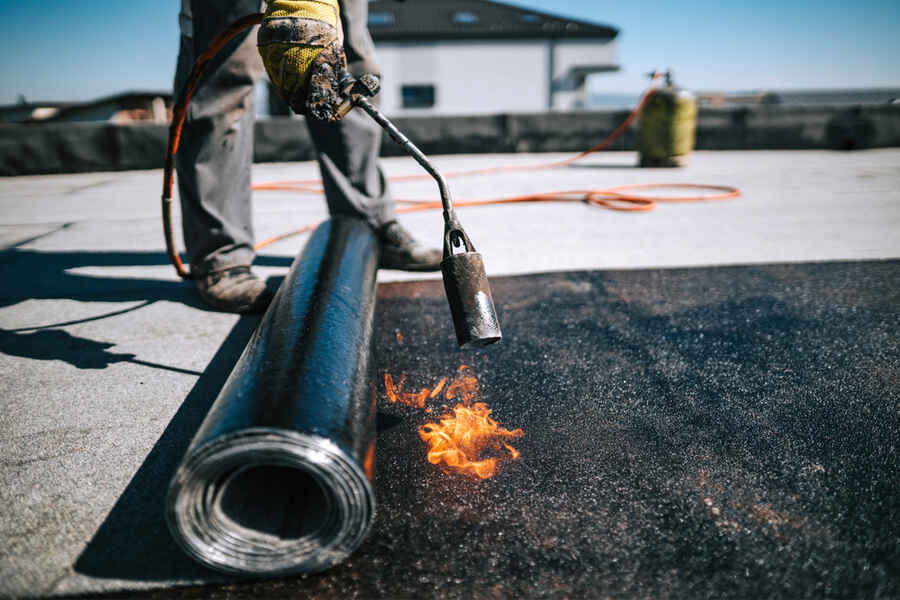
| Torch-applied | A flame heats the underside so the sheet bonds to the layer below | Large, open roofs with trained crews | Fire risk and strict safety controls |
| Self-adhered | Peel-and-stick sheets bond without flame | Occupied buildings and tight access | Needs a clean, dry surface and suitable temperatures |
| Cold-applied | Liquid adhesive bonds the layers | Projects that cannot allow open flame | Adhesive odor and curing time |
| Hot-mopped | Heated asphalt bonds the layers | Traditional multi-ply assemblies | Heavy equipment and fumes |
Modified Bitumen Roof Repair: Common Problems and Practical Fixes
Even a well-built modified bitumen roof needs attention over time. The most common problems include:
Blisters caused by trapped moisture or air
Ridging or wrinkling along seams
Split or open laps
Punctures from foot traffic or rooftop equipment
Granule loss on the cap sheet
Failed flashings at walls, vents and drains
How Modified Bitumen Roof Repair Is Done
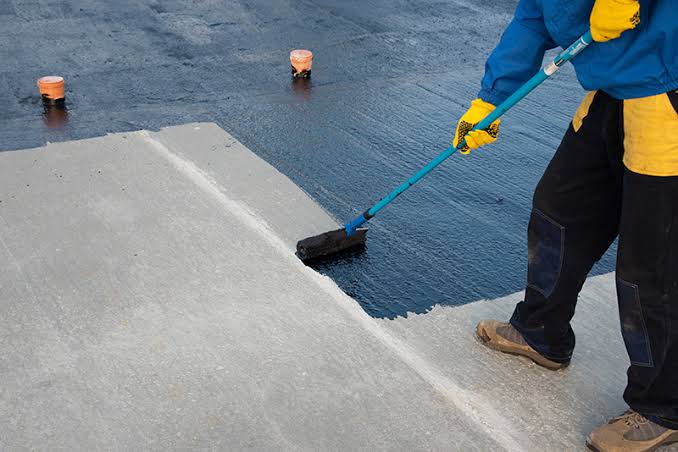
A proper repair cuts out the damaged area, dries the substrate and installs a compatible modified bitumen patch with sealed edges. Roof cement alone is a short-term fix that can trap moisture. If leaks keep coming back, our commercial roof repair team can locate the source, and our guide on when to replace a modified bitumen commercial roof helps you decide between repair and replacement.
Common mistake: patching the same spot repeatedly without checking whether the insulation underneath is wet.
Benefits and Limitations of Modified Bitumen Roofing for Commercial Property Owners
Benefits of a Modified Bitumen Roof
Multiple layers add redundancy against leaks
Durable under foot traffic and rooftop equipment
Repairable with compatible materials
Available in several installation methods and surfaces
Limitations to Plan For
Heavier than most single-ply membranes
Seams and flashings need careful workmanship
A dark surface runs hot unless it is reflective or coated
Installation is more labor-intensive than some alternatives
If you are comparing it with single-ply options, read about TPO roofing before you decide.
Is Modified Bitumen Roofing Right for Your Florida Building?
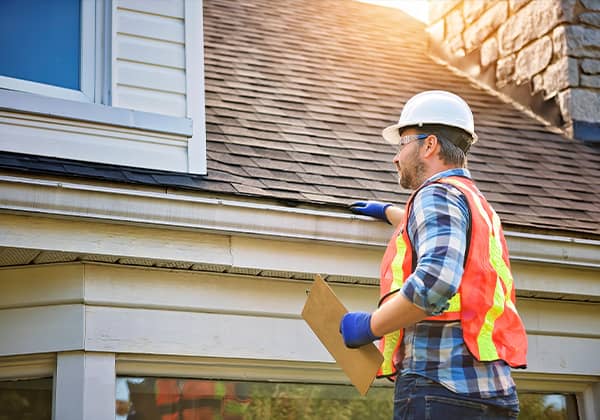
Florida roofs deal with strong UV, heavy rain and hurricane-season wind, so the system and the installer both matter. Broward and Miami-Dade fall within the High-Velocity Hurricane Zone, which requires approved products and attachment methods. Schedule inspections at least twice a year and after major storms, and use our guide to commercial flat roof inspections to know what a complete report should include.
Expert insight: In our view, most premature modified bitumen roof problems start at flashings and seams, not in the open field of the roof.
Pro tip: Ask your contractor to photograph each layer during installation so you have a record for warranty claims.
Why Property Owners Choose Berg General Contractors for Modified Bitumen Roofing
Berg General Contractors provides modified bitumen roofing installation, repair and replacement for commercial properties across South Florida. We focus on honest recommendations and clear communication from the first inspection to the final walkthrough. With us, you can expect:
A roof inspection before any price is quoted
A written scope that makes bids easy to compare
Plain-language guidance on repair, recover and replacement options
Help understanding your coverage through our roof warranty services
A roof inspection before any price is quoted
A written scope that makes bids easy to compare
Plain-language guidance on repair, recover and replacement options
Help understanding your coverage through our roof warranty services
Book Your Modified Bitumen Roofing Inspection With Berg General Contractors
Not sure whether your current roof needs repair, recoating or replacement? Berg General Contractors will inspect your modified bitumen roof, explain your options in plain language and give you a written scope you can compare against any other bid. Whether you need a targeted repair or a full new system, our team is ready to protect your building before the next storm.
Book Now and schedule your commercial roof inspection today.