January 21, 20267 minutes read
Discover how strategic site logistics planning can streamline workflows, minimize delays, and boost productivity in general contracting projects.
By Berg General ContractorsJanuary 21, 20267 minutes read
01
Understanding Construction Site Logistics in General Contracting
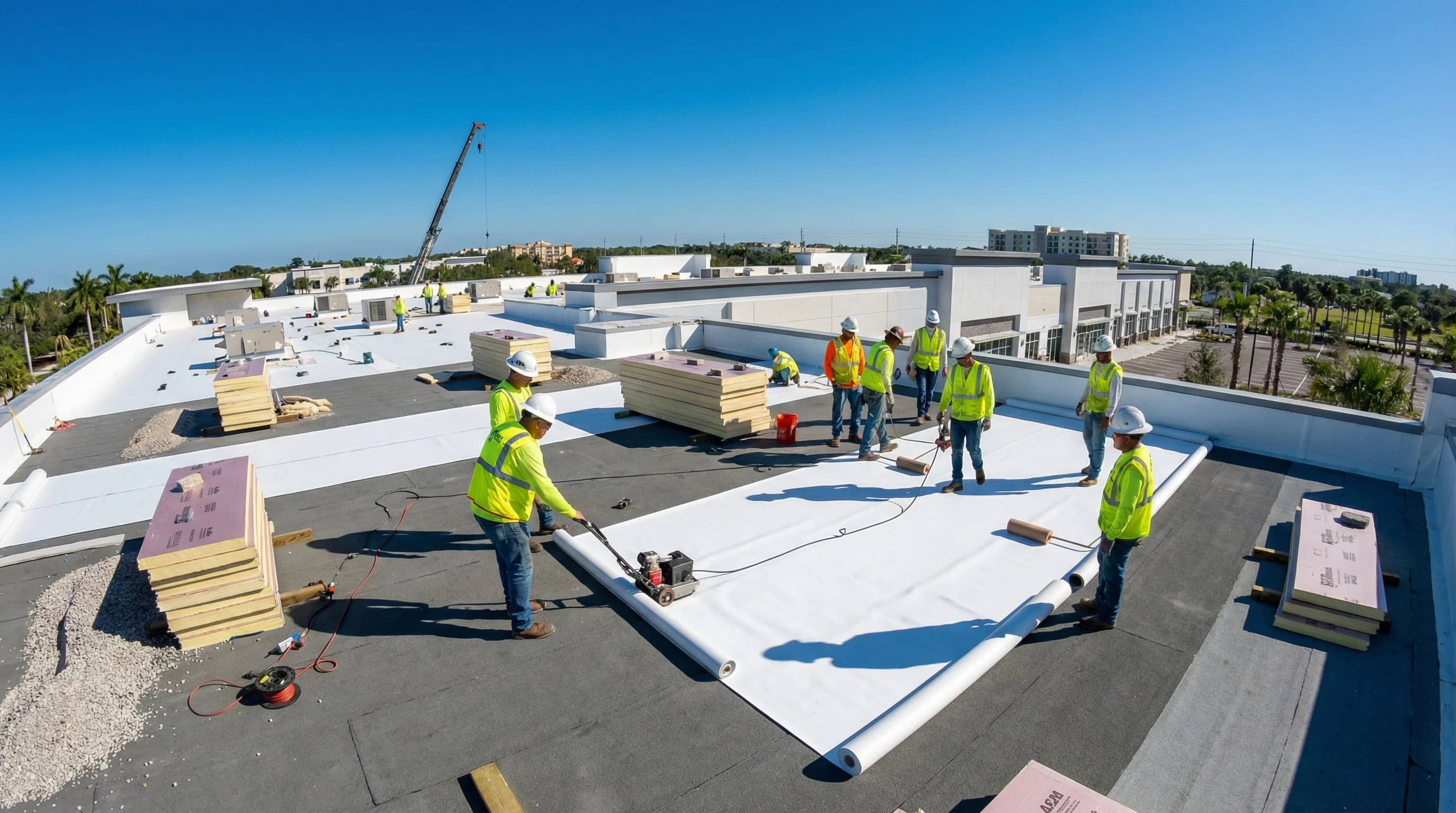
Construction site logistics refers to the strategic planning and management of resources, materials, equipment, and personnel on a job site. In general contracting, effective logistics are crucial for maintaining project momentum, ensuring safety, and minimizing costly disruptions. Many contractors underestimate the ripple effects of poor logistics—inefficient site layouts, delayed deliveries, and congested access points can all sabotage project timelines.
“A well-orchestrated site is the foundation of a successful build—without it, even the best plans can unravel.”
02
Key Components of Effective Site Logistics Planning
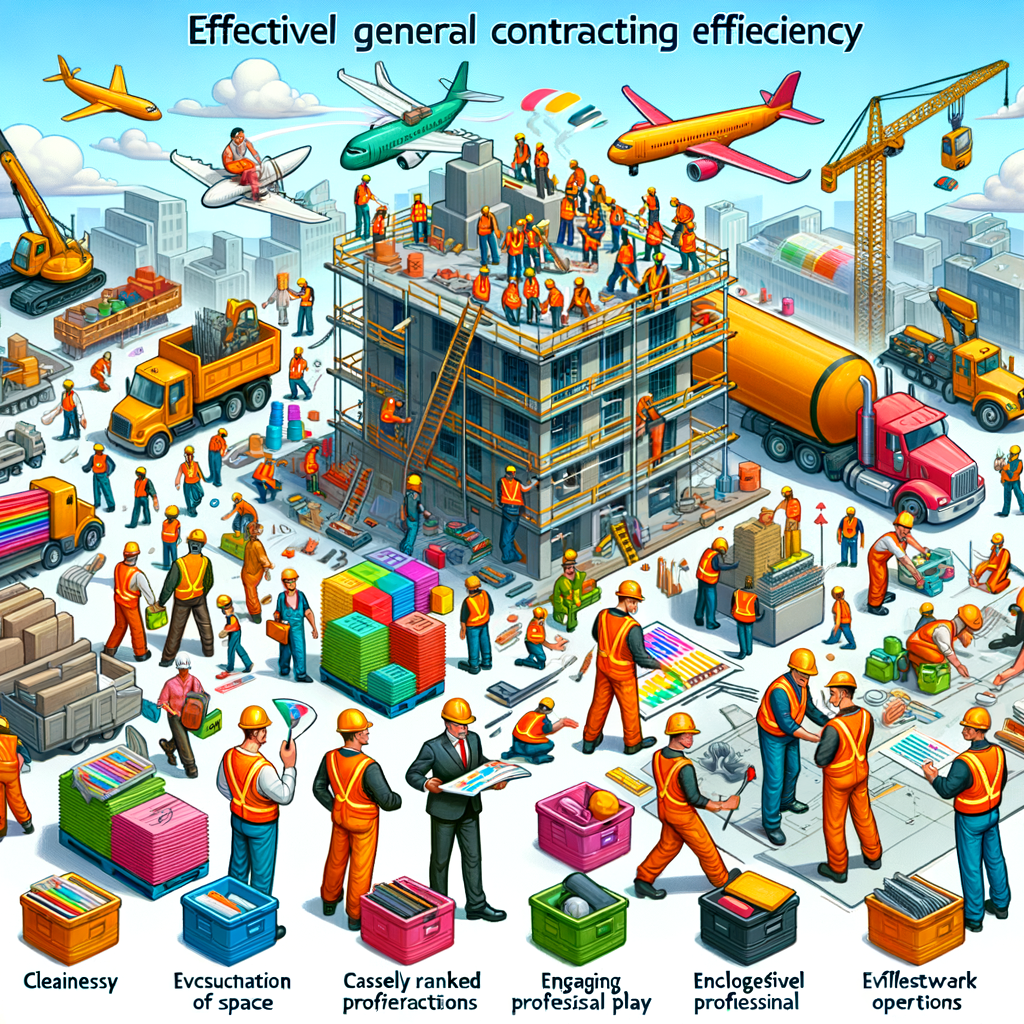
An optimized construction site functions like a well-oiled machine, where every component is in the right place at the right time. General contractors must account for multiple factors to achieve seamless site operations, from delivery schedules to waste management.
- Material delivery coordination and just-in-time inventory management
- Strategic site layout and storage zone designation
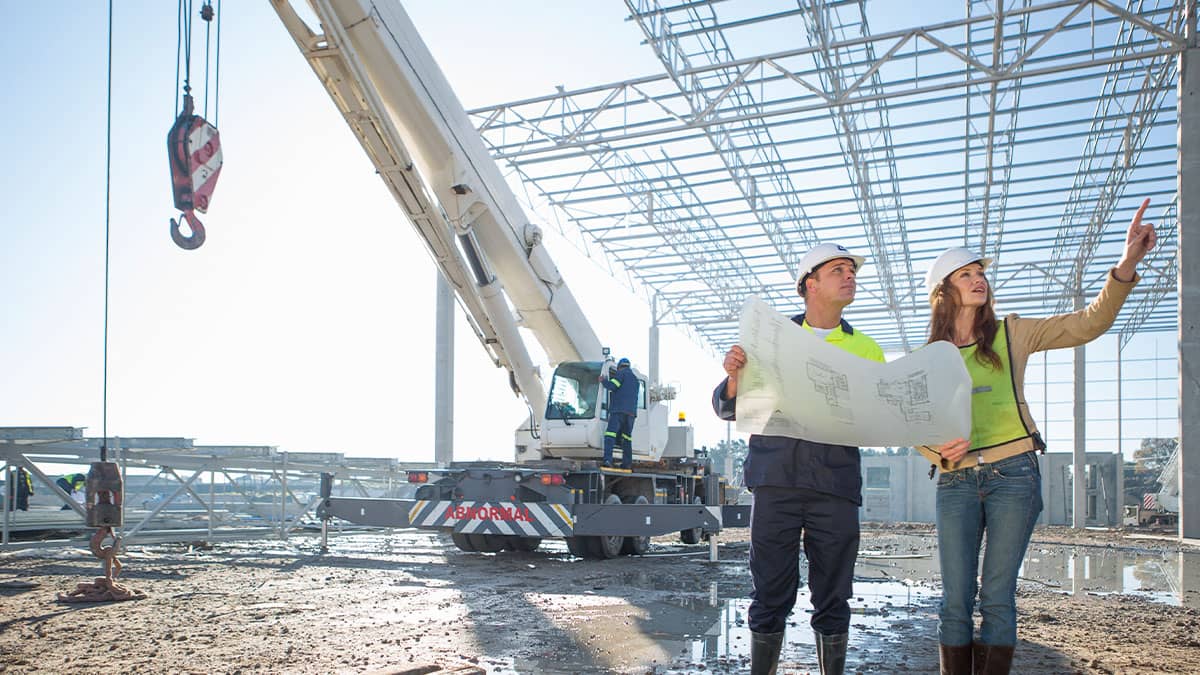
- Traffic flow planning for vehicles and personnel
- On-site equipment allocation and movement
- Temporary utilities and site access management
03
Common Pain Points in Site Logistics for General Contractors
General contractors frequently encounter logistical challenges that can derail project efficiency. Tight urban sites, limited staging areas, and unpredictable delivery schedules are just a few obstacles that demand proactive solutions. Mismanaged logistics often lead to bottlenecks, idle labor, and increased overhead costs, directly impacting project profitability.
| Pain Point | Impact |
|---|---|
| Limited storage space | Material damage, double handling |
| Uncoordinated deliveries | Site congestion, lost productivity |
| Inefficient traffic flow | Safety hazards, project delays |
| Poor waste management | Environmental violations, cluttered site |
04
Innovative Solutions and Industry Trends in Site Logistics
Modern general contracting firms are leveraging technology and advanced planning methodologies to revolutionize site logistics. Digital platforms for delivery tracking, real-time inventory management systems, and modular storage solutions are becoming standard. Embracing these innovations not only boosts efficiency but also enhances collaboration among stakeholders.
- Digital delivery scheduling and tracking platforms
- Prefabricated and modular storage containers
- Drones for site mapping and material tracking
- RFID tags for real-time inventory visibility
- Lean construction principles for waste reduction
“Embracing digital tools in site logistics transforms complexity into clarity, empowering contractors to deliver projects with precision.”
05
Best Practices for Streamlining Site Logistics in General Contracting
Integrating logistics planning early in the project lifecycle yields significant dividends. General contractors should foster a culture of continuous improvement, regularly reviewing logistics strategies and adapting to site-specific challenges. Transparent communication with suppliers, subcontractors, and the project team is essential for synchronizing efforts and preventing costly missteps.
- Conduct a comprehensive site logistics assessment before mobilization
- Develop a detailed logistics plan with contingency measures
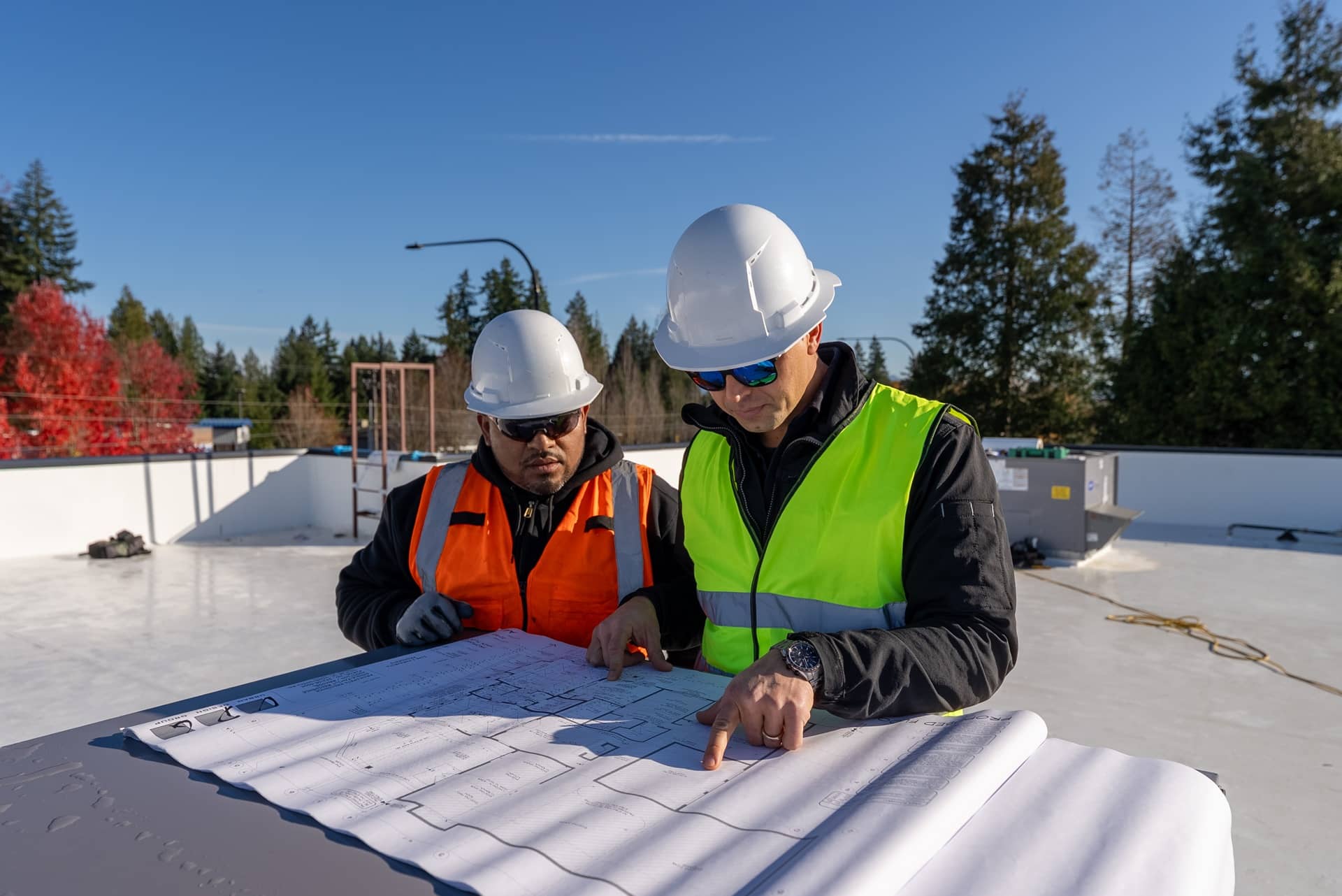
- Hold regular coordination meetings with all stakeholders
- Utilize visual site logistics plans and digital dashboards
- Monitor and adjust logistics workflows based on real-time feedback
06
How Can Optimized Site Logistics Shape Your Next Project?
The efficiency of construction site logistics can make or break a general contracting project. By prioritizing logistics, contractors can accelerate timelines, control costs, and enhance safety—all while exceeding client expectations. What innovative logistics strategies have you implemented on your projects, and how have they impacted your outcomes? Share your experiences or challenges in the comments below to spark a valuable industry discussion.