March 16, 20267 minutes read
Explore advanced strategies and expert insights on preventing construction defects in general contracting. Learn how to safeguard project quality, client satisfaction, and long-term property value.
By Berg General ContractorsMarch 16, 20267 minutes read
01
Understanding Construction Defects and Their Impact
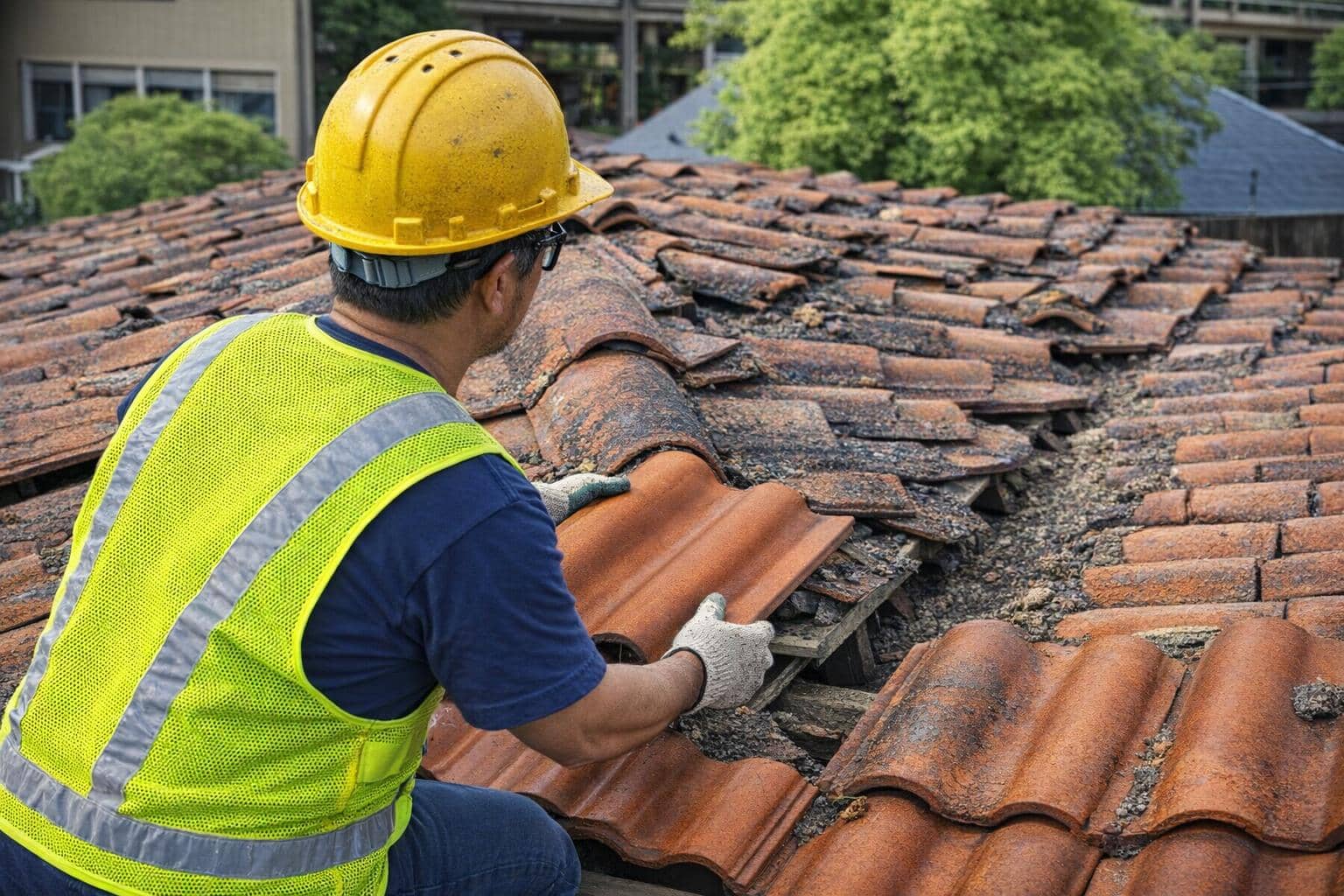
Construction defects can jeopardize the structural integrity, safety, and long-term value of any project. For general contractors, even minor oversights can escalate into costly repairs, legal disputes, and reputational damage. Recognizing the root causes and typical manifestations of defects is the first step toward effective prevention.
“A single undetected defect can undermine years of meticulous planning and erode client trust faster than any schedule delay.”
02
Primary Sources of Construction Defects
Defects often arise from a complex interplay of factors during design, material selection, and execution. General contractors must identify these sources early to implement robust preventive measures.
- Design errors or omissions leading to improper specifications
- Inferior or incompatible building materials
- Workmanship deficiencies due to inadequate training or supervision
- Moisture intrusion from poor building envelope detailing
- Non-compliance with evolving codes and standards
03
Proactive Strategies for Defect Prevention
Adopting a proactive stance on quality assurance is essential. Preventing defects requires a multi-layered approach that integrates process controls, technological advancements, and continuous education.
- Implement rigorous pre-construction reviews and constructability analyses
- Utilize third-party quality control inspections at critical milestones
- Leverage digital documentation and photo verification for accountability
- Prioritize comprehensive training on evolving building codes and materials
- Establish clear protocols for material storage and handling
04
Leveraging Technology for Enhanced Quality Control
Digital tools have transformed defect prevention. From real-time project management platforms to advanced sensors, technology enables early detection and correction of potential issues before they escalate.
| Technology | Application |
|---|---|
| 3D Laser Scanning | Detects deviations from design in real-time |
| Moisture Sensors | Monitors building envelope integrity |
| Mobile QA/QC Apps | Streamlines documentation and issue tracking |
05
Building Envelope Integrity: A Critical Focus Area
The building envelope—walls, roofs, windows, and foundations—serves as the primary defense against environmental factors. Ensuring its integrity is vital for defect prevention, especially regarding moisture intrusion and thermal performance.
“The durability of any structure is directly linked to the precision with which its envelope is detailed and constructed.”
06
Fostering a Culture of Accountability and Continuous Improvement
Defect prevention thrives in environments where every team member is empowered to uphold quality standards. Encouraging open communication, ongoing education, and post-project reviews helps to identify improvement opportunities and reinforce best practices.
- Conduct regular toolbox talks focused on recent defect trends
- Reward proactive problem-solving and attention to detail
- Involve all stakeholders in post-completion lessons learned sessions
07
Conclusion: Safeguarding Project Quality and Reputation
For general contractors, preventing construction defects is not merely a technical challenge but a strategic imperative. By embedding quality assurance into every phase of the project and embracing innovation, contractors can deliver enduring value and foster client confidence. What proactive measures have you found most effective in ensuring defect-free construction? Share your experiences and insights below.