
January 15, 20267 minutes read
Explore how preconstruction services streamline project delivery, enhance cost certainty, and mitigate risks in general contracting. Discover key strategies and industry trends shaping the preconstruction phase.
By Berg General ContractorsJanuary 15, 20267 minutes read
01
Understanding Preconstruction Services in General Contracting
Preconstruction services represent a pivotal phase in the lifecycle of any general contracting project. This stage involves comprehensive planning, feasibility analysis, and collaboration between stakeholders long before physical construction begins. By investing in robust preconstruction processes, contractors and owners can anticipate challenges, optimize resources, and set realistic expectations for project outcomes.
02
Key Components of Effective Preconstruction
A well-structured preconstruction phase encompasses a range of specialized activities designed to de-risk projects and ensure seamless execution. These tasks demand both technical proficiency and proactive communication across teams.
- Site analysis and due diligence
- Preliminary budgeting and cost modeling
- Constructability reviews
- Value analysis and life-cycle costing
- Schedule development and phasing
- Permitting strategy and code compliance review
- Design-assist collaboration with architects and engineers
03
Benefits of Investing in Preconstruction Services
Allocating time and resources to the preconstruction phase yields measurable advantages for both clients and contractors. These benefits extend beyond immediate project delivery, influencing long-term asset performance and stakeholder satisfaction.
- Enhanced cost certainty and budget control
- Early identification of constructability issues
- Streamlined procurement and subcontractor engagement
- Reduced risk of change orders and delays
- Improved communication and alignment among project partners
“The most successful projects are those where preconstruction is treated as a strategic investment, not just a procedural step.”
04
Industry Trends Shaping Preconstruction Strategies
The preconstruction landscape is evolving rapidly, with emerging technologies and collaborative delivery models redefining best practices. Staying ahead of these trends is essential for general contractors aiming to deliver superior outcomes in a competitive market.
- Integration of digital estimating and scheduling tools
- Use of laser scanning and reality capture for site analysis
- Increased adoption of early contractor involvement (ECI)
- Emphasis on sustainability and life-cycle performance during design reviews
05
Preconstruction Services: A Comparative Snapshot
Understanding the differences between traditional and advanced preconstruction approaches helps stakeholders make informed decisions that align with their project goals.
| Aspect | Traditional Preconstruction | Advanced Preconstruction |
|---|---|---|
| Budgeting | Basic cost estimates | Dynamic cost modeling with real-time data |
| Risk Management | Reactive issue resolution | Proactive risk identification and mitigation |
| Collaboration | Siloed communication | Integrated, multidisciplinary teams |
| Technology Use | Manual processes | Digital platforms and analytics |
06
Engaging Stakeholders Early: The Path to Project Success
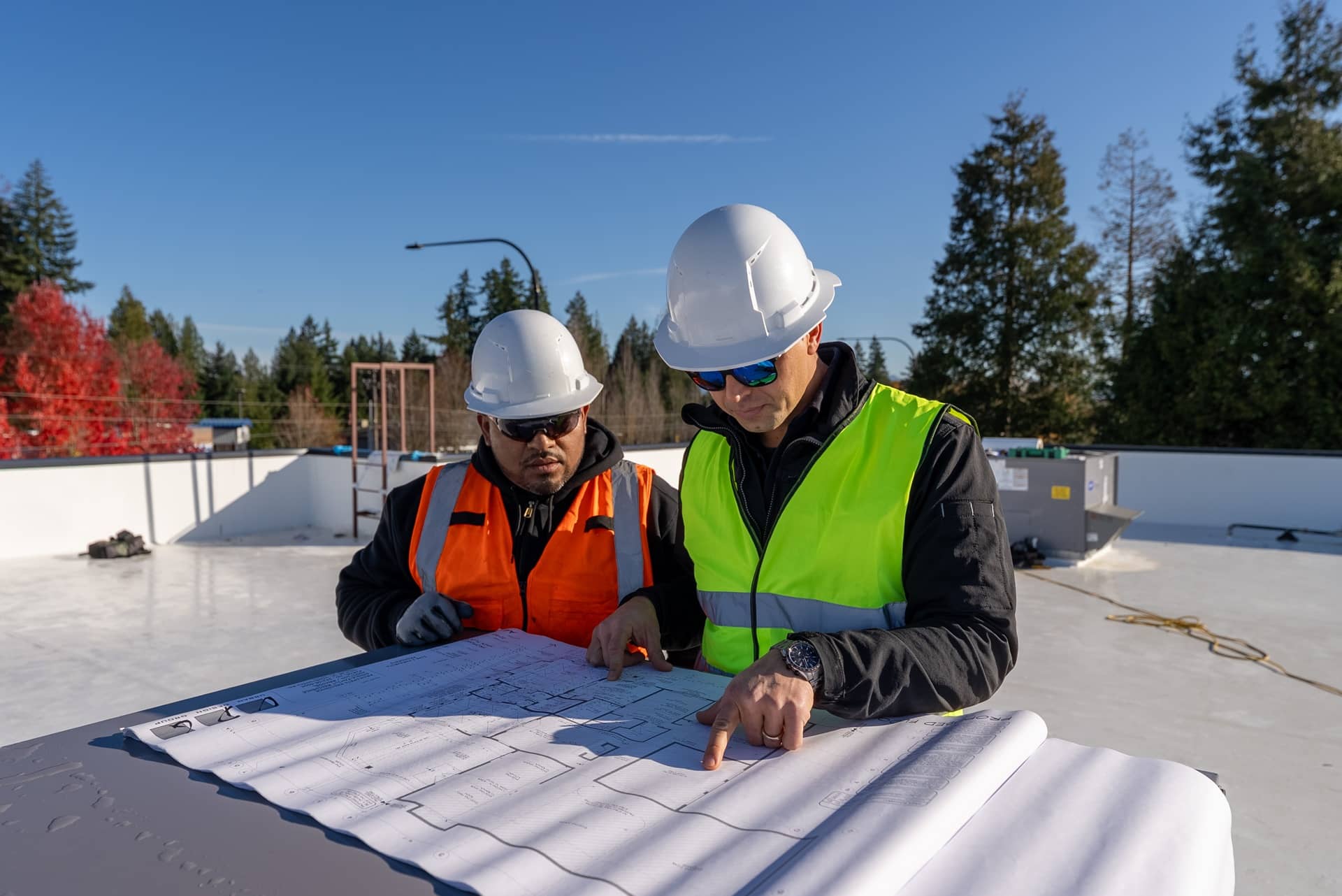
The value of preconstruction services is maximized when all project stakeholders—owners, architects, engineers, and subcontractors—are engaged from the outset. Early involvement fosters transparency, builds trust, and ensures that project objectives are clearly defined and achievable.
“Early and open collaboration during preconstruction lays the groundwork for innovation and project certainty.”
07
Are You Maximizing the Value of Preconstruction?
Have you experienced the impact of thorough preconstruction planning on your projects? What challenges or successes have you encountered during this crucial phase? Share your insights and join the conversation below.