December 1, 20257 minutes read
Explore essential strategies for managing construction site access and security in general contracting. Learn how to protect assets, ensure compliance, and streamline project efficiency.
By Berg General ContractorsDecember 1, 20257 minutes read
01
The Overlooked Importance of Site Access and Security in General Contracting
In the high-stakes environment of general contracting, site access and security often receive less attention than scheduling or budgeting. However, unauthorized entry, theft, and vandalism can derail even the most meticulously planned projects. General contractors must proactively address these risks to protect assets, ensure workforce safety, and maintain project timelines.
“A secure site is not just about locks and fences—it's about safeguarding your project's reputation, schedule, and bottom line.”
02
Key Challenges in Construction Site Access Management
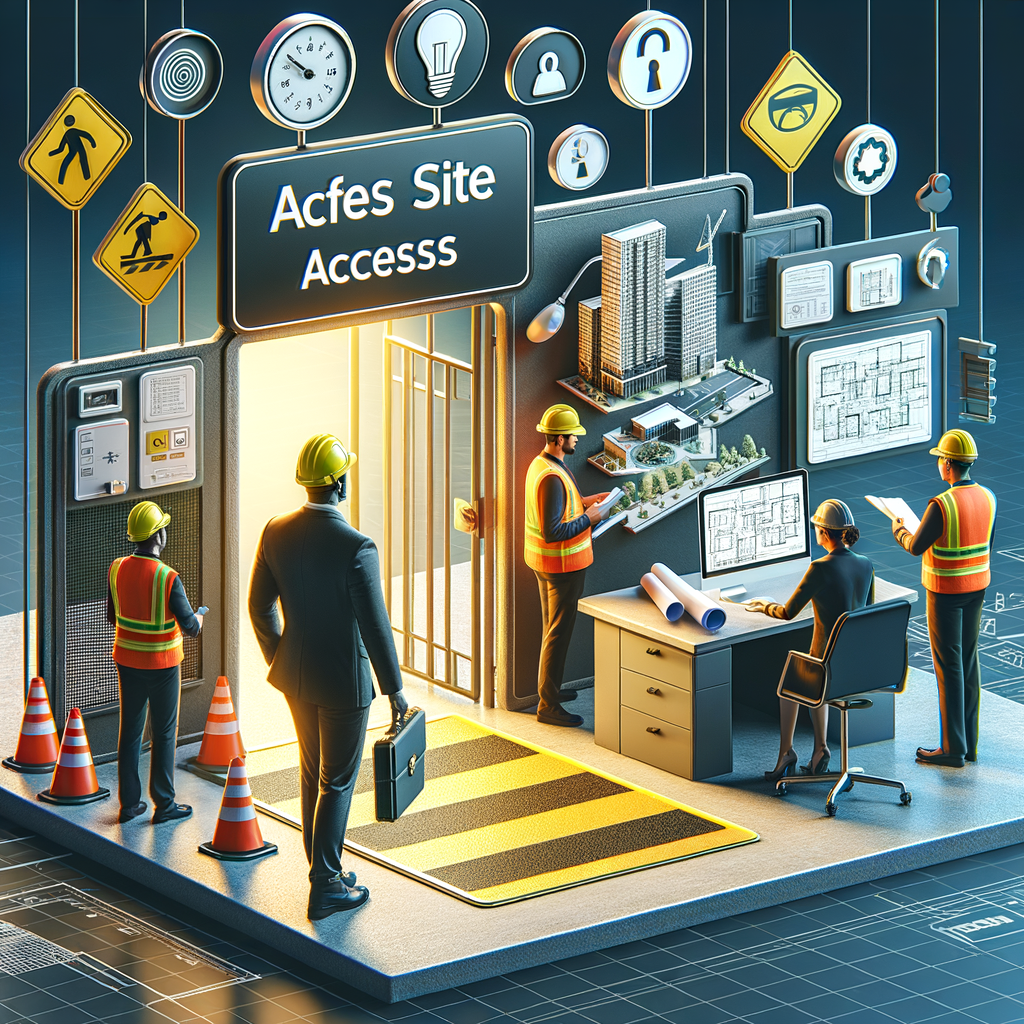
Managing who enters and exits a construction site is a complex logistical challenge. Large projects may involve hundreds of workers, subcontractors, inspectors, and deliveries daily. Without robust access protocols, the risk of unauthorized entry, equipment theft, and liability claims increases exponentially.
- Unmonitored entry points create vulnerabilities for theft and trespassing.
- Inefficient check-in processes slow down productivity and frustrate workers.
- Lack of real-time access records complicates incident investigations.
- Insufficient perimeter controls expose sites to safety hazards and insurance risks.
03
Innovative Access Control Solutions for Modern Construction Sites
Emerging technologies are revolutionizing how general contractors secure their projects. Gone are the days of simple sign-in sheets and padlocked gates. Today’s sites leverage digital access control systems, biometric verification, and real-time surveillance to create layered security protocols tailored to each project's unique needs.
- Cloud-based access management platforms for centralized control
- Biometric scanners and RFID badges for workforce authentication
- Geofencing and GPS-enabled equipment tracking
- Temporary smart locks and remote gate controls for deliveries
- Integrated video analytics for proactive threat detection
“Embracing digital access solutions not only deters threats but also streamlines compliance and audit processes.”
04
Best Practices for Implementing Site Security Protocols
A comprehensive site security plan extends beyond technology. It encompasses clear communication, defined responsibilities, and ongoing training for all personnel. By integrating security into project planning from day one, general contractors can minimize disruptions and foster a culture of vigilance on-site.
- Conduct thorough risk assessments before project mobilization.
- Establish a single point of entry with credential checks.
- Regularly update access permissions as project phases evolve.
- Train staff and subcontractors on emergency procedures and reporting.
- Coordinate with local law enforcement for rapid response protocols.
05
Cost-Benefit Analysis: Investing in Site Access and Security
While advanced access control systems and security personnel represent an upfront investment, the long-term savings from reduced theft, fewer delays, and lower insurance premiums are substantial. The following table illustrates the comparative costs and benefits of proactive site security versus reactive loss management.
| Security Measure | Estimated Cost | Potential Savings |
|---|---|---|
| Basic fencing and signage | $3,000-$7,000 | Minimal deterrent, limited savings |
| Digital access control | $10,000-$30,000 | $50,000+ in theft/loss prevention |
| On-site security personnel | $4,000/month | Lower insurance premiums, faster incident response |
| Integrated surveillance systems | $8,000-$25,000 | Evidence for claims, improved site safety |
06
Future Trends: How Will Access and Security Evolve in General Contracting?
As construction sites become more connected, expect to see increased adoption of AI-powered surveillance, predictive analytics, and mobile credentialing. These innovations will not only enhance security but also optimize workflow and compliance tracking. Contractors who stay ahead of these trends will position themselves as industry leaders.
“The future of construction security lies at the intersection of technology, training, and proactive risk management.”
07
Engage: What Are Your Biggest Site Security Concerns?
Every construction project presents unique access and security challenges. What strategies have you found most effective in managing site entry and protecting assets? Share your experiences or questions below—your insights could help fellow contractors elevate their site security protocols.