
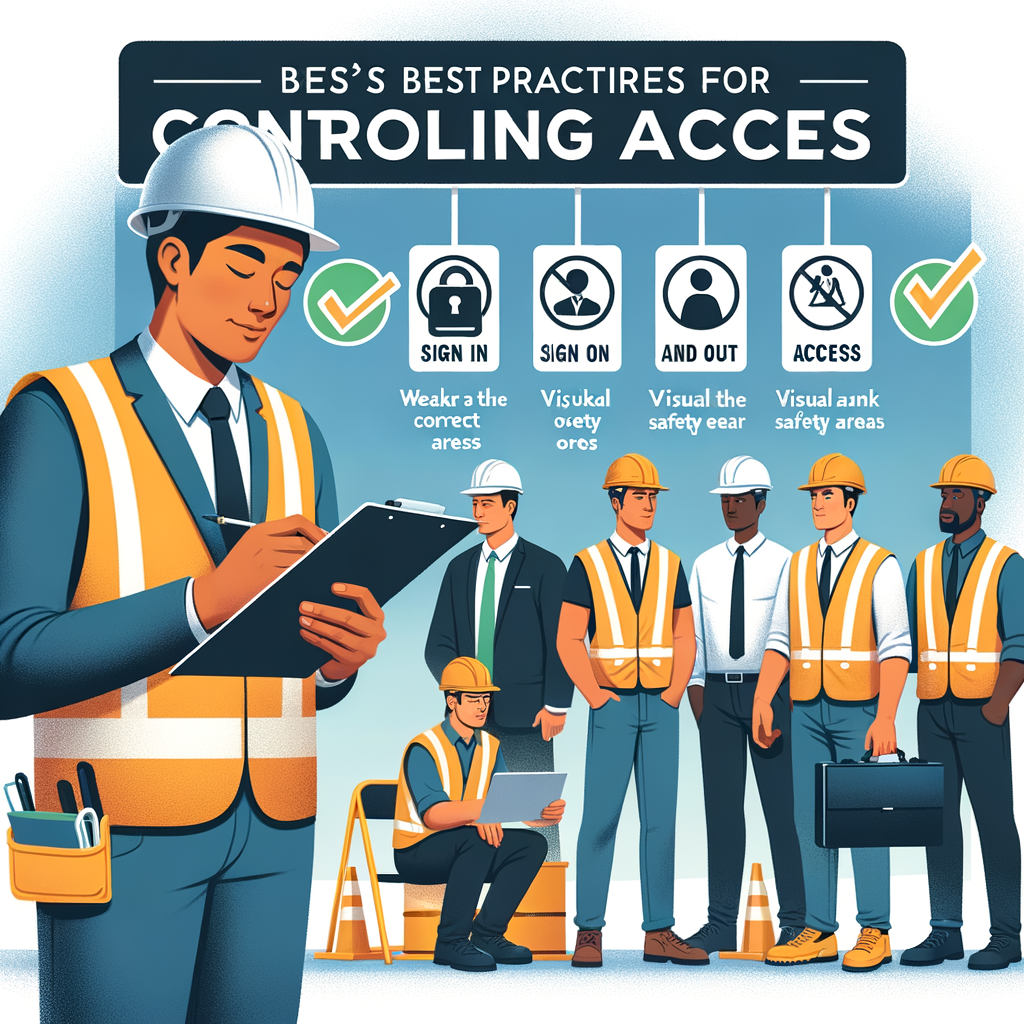
Discover advanced access control strategies to secure construction sites, protect assets, and streamline workflows. Learn expert tips tailored for general contractors.
Understanding the Importance of Site Access Control
Construction sites are high-value targets for theft, vandalism, and unauthorized entry. For general contractors, ensuring that only approved personnel and vehicles enter the site is essential not only for security but also for regulatory compliance and project efficiency. Robust access control mitigates risks, protects assets, and fosters a safer working environment.
“A secure site is the foundation of a successful project—every entry point is a potential vulnerability if not properly managed.”
Core Components of a Modern Access Control System
Today's access control systems extend far beyond traditional locks and keys. Integrating advanced technology with physical barriers creates a layered defense that deters intruders and tracks site activity in real time. General contractors must evaluate solutions that fit their project's scale, complexity, and budget.
- Biometric authentication (fingerprint or facial recognition) for workforce identification
- RFID-enabled badges and turnstiles to log personnel entry/exit
- Mobile credentialing for flexible, contactless site access
- Temporary digital passes for visitors and subcontractors
- CCTV integration with access points for incident verification
Common Access Control Challenges Faced by General Contractors
Despite the availability of sophisticated solutions, contractors encounter persistent challenges when implementing access control protocols. Recognizing and proactively addressing these issues is vital to maintaining site integrity and compliance.
- Managing high turnover of subcontractors and temporary workers
- Ensuring system scalability for projects of varying sizes
- Balancing security with ease of access for legitimate personnel
- Integrating access logs with time-tracking and payroll systems
- Responding to lost or stolen credentials in real time
Best Practices for Effective Site Access Management
Establishing a comprehensive access control strategy involves more than just installing hardware. It requires clear policies, ongoing training, and regular audits to adapt to evolving risks. General contractors who prioritize access management can reduce incidents, improve accountability, and streamline site operations.
- Conduct a thorough risk assessment before selecting access solutions
- Develop and enforce written access policies for all site personnel
- Schedule regular reviews and updates of access permissions
- Train staff and subcontractors on security protocols and incident reporting
- Leverage cloud-based systems for real-time monitoring and remote access control
“Access control is not a one-time setup—it's an ongoing process that evolves with your project and workforce.”
Evaluating Access Control Technologies: A Comparative Overview
Selecting the right access control technology depends on your project's unique requirements. Below is a comparison of commonly used systems, highlighting their strengths and limitations to guide decision-making.
| System Type | Strengths | Limitations |
|---|---|---|
| Keycard/Badge | Cost-effective, easy to issue/revoke | Prone to loss/theft, can be shared |
| Biometric | High security, non-transferable credentials | Higher upfront cost, privacy concerns |
| Mobile Credential | Contactless, integrates with smartphones | Requires staff buy-in, device compatibility |
| PIN Code | Simple setup, no physical token needed | Easy to share/forget, limited audit trail |
Future Trends: Smart Access Control and Integrated Site Management
The construction industry is rapidly embracing digital transformation. Smart access control systems are now integrating with project management platforms, IoT devices, and AI-powered analytics. These advancements enable predictive threat detection, automated compliance reporting, and seamless coordination between site security and project workflows.
“The next frontier of construction site security lies in intelligent, interconnected systems that adapt to evolving threats and operational demands.”
Engage With Us: How Are You Securing Your Construction Sites?
What access control challenges have you faced as a general contractor? Which technologies or policies have proven most effective on your sites? Share your experiences and insights in the comments—your expertise could help fellow contractors strengthen their security strategies.