
January 25, 20267 minutes read
Discover how drones are transforming site inspections in general contracting, improving accuracy, safety, and efficiency for project managers and contractors.
By Berg General ContractorsJanuary 25, 20267 minutes read
01
Introduction: The Evolving Role of Drones in Construction
Drones have rapidly moved from novelty to necessity in the construction industry. As general contractors seek more efficient, accurate, and safe ways to inspect project sites, drone technology has emerged as a powerful solution. The integration of unmanned aerial vehicles (UAVs) into site inspections is reshaping traditional workflows and setting new standards for project oversight.
02
Pain Points in Traditional Site Inspections
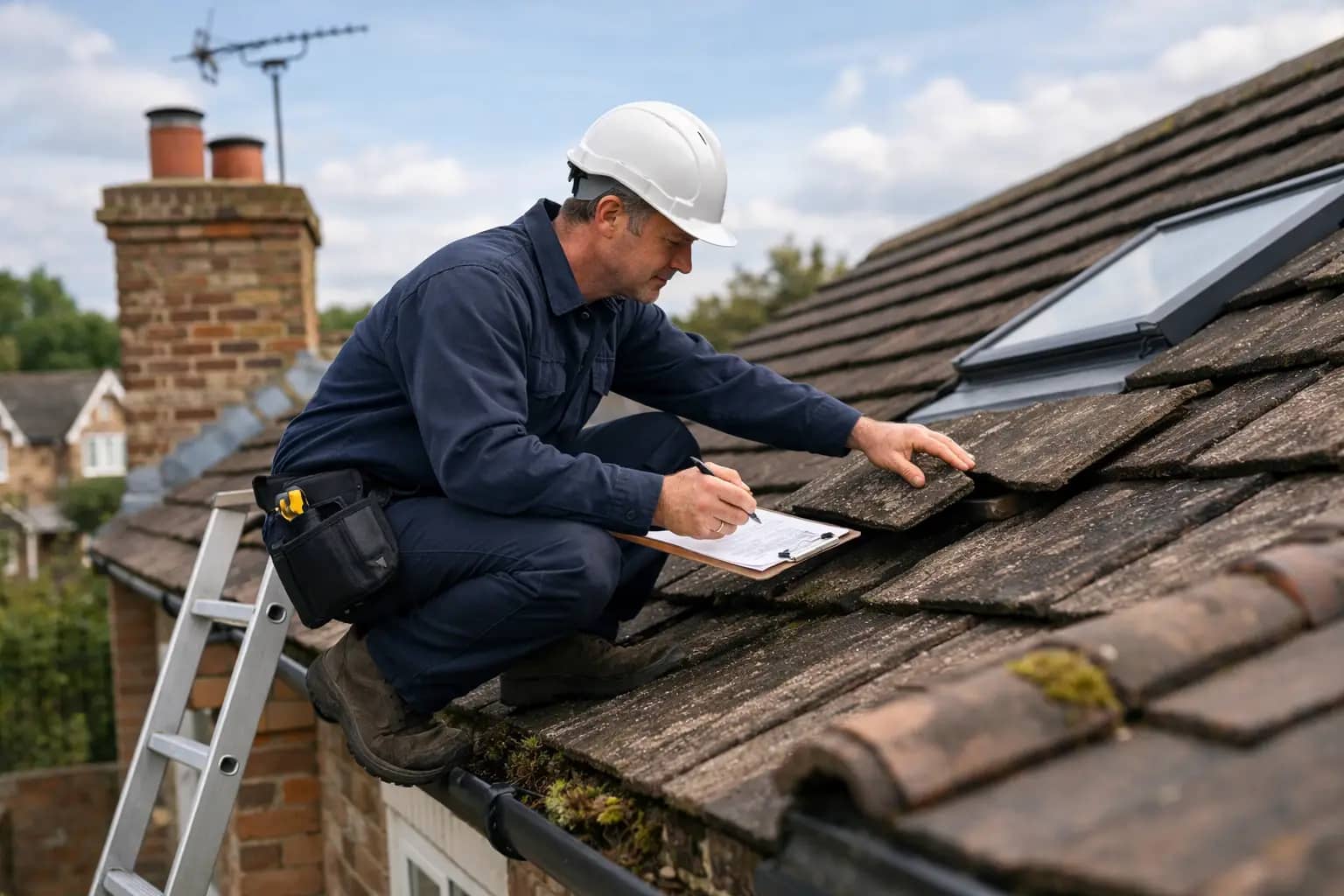
Manual site inspections are often labor-intensive, time-consuming, and prone to human error. Navigating hazardous terrain, accessing hard-to-reach areas, and documenting vast job sites present significant challenges for general contractors. These pain points can lead to delayed timelines, increased costs, and compromised safety.
- Difficulty accessing elevated or hazardous areas
- Inconsistent documentation and record-keeping
- Time-intensive manual surveys
- Increased risk of injury to inspection personnel
- Potential for overlooked defects or compliance issues
03
How Drones Enhance Inspection Efficiency and Accuracy
Drones equipped with high-resolution cameras and advanced sensors enable rapid, detailed aerial surveys of construction sites. This technology allows general contractors to capture real-time data, monitor progress, and identify potential issues before they escalate. Automated flight paths and cloud-based data storage further streamline the inspection process, reducing both labor costs and turnaround time.
“Drone-enabled inspections offer unprecedented visibility and documentation capabilities, empowering contractors to make informed decisions faster.”
04
Key Benefits of Drone-Assisted Site Inspections
Embracing drone technology yields a range of advantages for general contracting firms aiming to optimize project delivery. From risk mitigation to enhanced reporting, the benefits are both immediate and long-term.
- Improved safety by minimizing the need for manual access to dangerous locations
- Comprehensive, high-resolution imagery for detailed site analysis
- Faster turnaround for inspection reports and progress updates
- Enhanced collaboration through cloud-based data sharing
- Early detection of defects or deviations from plans
05
Comparing Drone vs. Traditional Site Inspection Methods
Understanding the distinctions between drone-based and manual inspections helps project managers justify technology investments and set realistic expectations. The following table highlights key differences in efficiency, safety, and data quality.
| Criteria | Drone Inspections | Manual Inspections |
|---|---|---|
| Safety | Reduced risk—minimal personnel exposure | Higher risk—requires physical access |
| Speed | Rapid data collection (minutes) | Time-intensive (hours or days) |
| Data Quality | High-resolution, comprehensive imagery | Limited by human observation |
| Documentation | Automated, digital, easily archived | Manual, often paper-based |
| Access | Covers hard-to-reach areas with ease | Challenging for elevated or remote zones |
06
Addressing Common Concerns: Regulations and Data Security
While drones offer significant advantages, contractors must navigate evolving regulations and prioritize data security. Compliance with FAA guidelines, obtaining proper certifications, and ensuring secure data storage are critical to successful drone deployment on construction sites.
“Staying abreast of regulatory changes and adopting robust cybersecurity measures are essential for responsible drone integration.”
07
Industry Trends and Future Outlook
The adoption of drone technology in general contracting is expected to accelerate as hardware costs decrease and software capabilities expand. Emerging trends include AI-powered defect detection, thermal imaging for energy audits, and integration with Building Information Modeling (BIM) platforms for seamless project management.
- AI-driven anomaly detection and reporting
- Thermal imaging for insulation and leak assessments
- Automated progress tracking synced with BIM data
- Expanded use in environmental impact monitoring
08
Conclusion: Is Your Firm Ready for Drone-Powered Inspections?
Drone technology is no longer a futuristic concept—it is a practical tool reshaping the landscape of general contracting. By embracing UAVs for site inspections, contractors can boost efficiency, reduce risk, and deliver superior project outcomes. How is your organization preparing to integrate drone technology into its inspection workflows? What challenges or opportunities do you foresee as this technology becomes mainstream? Share your insights and experiences below!