January 19, 20267 minutes read
Discover how general contractors can seamlessly incorporate smart home systems into residential builds, addressing client demands, technical challenges, and industry trends.
By Berg General ContractorsJanuary 19, 20267 minutes read
01
The Surge of Smart Home Integration in Modern Residences
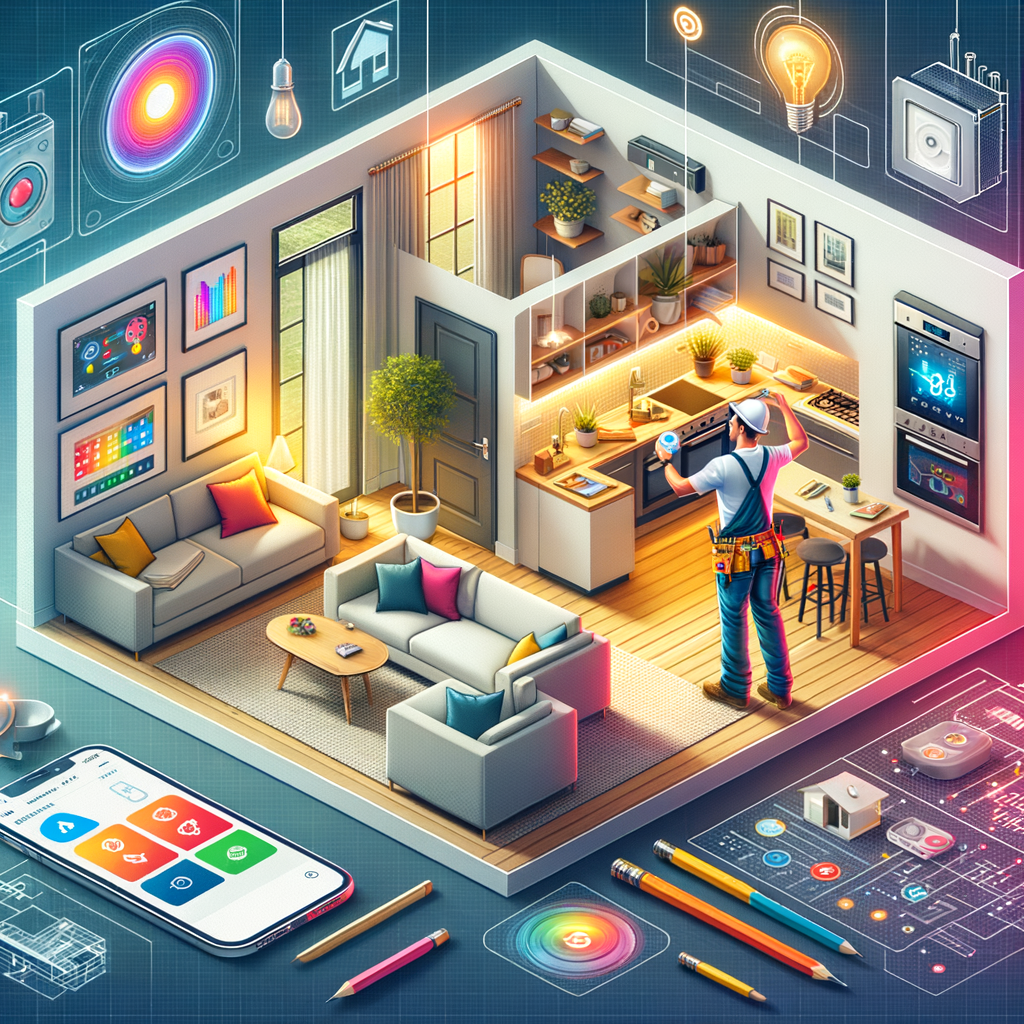
Homeowners today increasingly demand seamless, future-proof smart home solutions in their new builds and remodels. For general contractors, integrating these systems—ranging from automated lighting to advanced security—requires a sophisticated approach that bridges traditional construction with rapidly evolving technology. Understanding the unique challenges and opportunities in this space is crucial for delivering homes that exceed client expectations and stand out in a competitive market.
“The most successful contractors are those who anticipate technological shifts and integrate them into their core project delivery strategy.”
02
Key Considerations for Smart Home System Integration
Incorporating smart home technology is not as simple as installing a few gadgets. It demands early planning, close collaboration with specialized subcontractors, and a deep understanding of both the client’s lifestyle needs and the technical ecosystem. Failure to address these considerations can result in costly retrofits, client dissatisfaction, or system incompatibilities.
- Assessing the client’s desired level of automation and preferred brands
- Coordinating with low-voltage and network infrastructure specialists early in the design phase
- Ensuring robust and scalable wiring and wireless connectivity throughout the property
- Planning for future expansion and technology upgrades without major structural changes
- Navigating privacy and cybersecurity implications for connected devices
03
Popular Smart Home Features Clients Request
General contractors often field requests for a wide array of smart features, each with its own integration complexities. Understanding which systems are in high demand helps contractors prioritize resources and build trusted partnerships with technology vendors.
- Whole-home audio and video distribution
- Automated lighting and climate control
- Smart security cameras and access systems
- Voice-activated assistants and controls
- Energy management and monitoring platforms
04
Smart Home Integration Challenges and Solutions
Despite the advantages, integrating smart home systems introduces technical and logistical hurdles. Compatibility between devices, managing multiple vendors, and ensuring reliable connectivity are among the top challenges. Successful contractors proactively address these issues by implementing best practices and leveraging expert guidance.
“Anticipating integration challenges early in the project lifecycle prevents costly delays and ensures client satisfaction.”
| Challenge | Solution |
|---|---|
| Device Compatibility | Standardize on open platforms and interoperable devices |
| Vendor Coordination | Establish clear communication protocols among all parties |
| Network Reliability | Install enterprise-grade networking infrastructure |
| Future-Proofing | Design with modularity and upgrade paths in mind |
05
Elevating Client Experience Through Smart Home Customization
Clients expect personalized solutions that reflect their unique lifestyles. General contractors who offer tailored smart home packages, intuitive controls, and comprehensive training set themselves apart. This attention to detail not only boosts client satisfaction but also fosters long-term relationships and referrals.
06
Future Trends: What’s Next for Smart Homes in General Contracting?
The smart home landscape is evolving at breakneck speed, with trends like artificial intelligence-driven automation, energy self-sufficiency, and integrated health monitoring systems on the horizon. Contractors who stay informed and agile will be well-positioned to deliver cutting-edge homes that adapt to tomorrow’s needs.
- AI-powered predictive home management
- Integration with renewable energy sources and battery storage
- Health and wellness sensors for indoor air quality and safety
- Seamless interoperability across devices and platforms
07
Engage With Us: What Smart Home Features Matter Most to You?
As smart home technology becomes a standard expectation in residential construction, which features do you consider essential? Are you more interested in security, energy efficiency, entertainment, or convenience? Share your thoughts and help shape the future of smart home integration in general contracting.