February 6, 20267 minutes read
Discover how lean construction principles can revolutionize general contracting by minimizing waste, improving collaboration, and delivering projects on time and within budget.
By Berg General ContractorsFebruary 6, 20267 minutes read
01
Understanding Lean Construction: A Paradigm Shift in Project Delivery
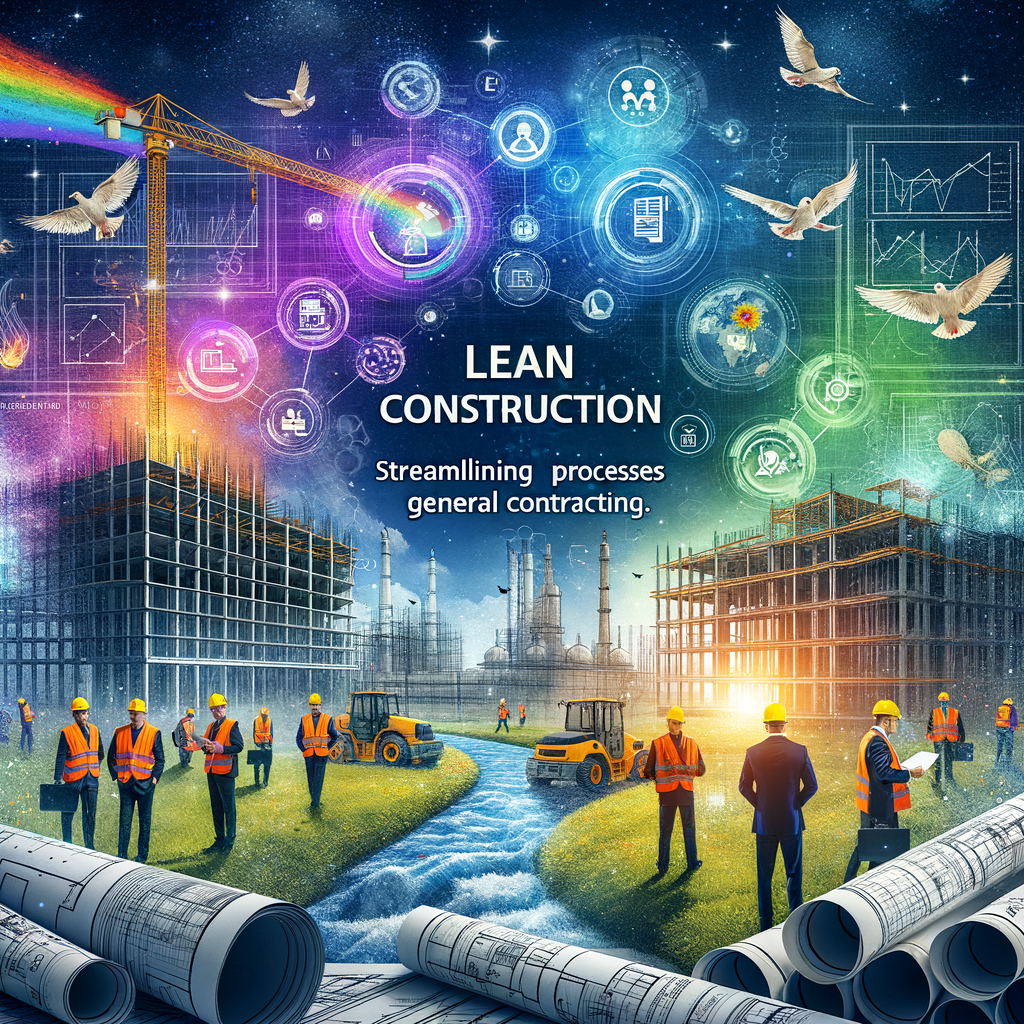
Lean construction is reshaping the general contracting landscape by emphasizing the elimination of inefficiencies, fostering continuous improvement, and prioritizing value for all stakeholders. Unlike traditional construction methods, lean construction leverages a holistic approach to project management, focusing on maximizing productivity and minimizing waste throughout the project lifecycle.
“Lean construction is not just a methodology—it's a culture of relentless improvement and respect for people.”
02
Core Principles of Lean Construction in General Contracting
Applying lean principles requires a shift in mindset and operational strategy. General contractors must embrace transparency, collaborative planning, and a relentless pursuit of efficiency to unlock the full potential of lean construction.
- Value Generation: Identifying and delivering what truly matters to the client.
- Waste Minimization: Eliminating non-value-adding activities such as overproduction, waiting, and rework.
- Continuous Flow: Ensuring work progresses smoothly without interruptions or bottlenecks.
- Pull Planning: Scheduling tasks based on downstream demand to reduce idle time.
- Continuous Improvement (Kaizen): Encouraging incremental enhancements across all project phases.
03
Implementing Lean Tools and Techniques on the Jobsite
Adopting lean construction is not a one-size-fits-all process. General contractors can leverage a variety of specialized tools and frameworks to drive lean transformation and improve project outcomes.
- Last Planner System (LPS): A collaborative scheduling approach that enhances workflow reliability.
- 5S Methodology: Organizing the jobsite for optimal efficiency and safety.
- Value Stream Mapping: Visualizing processes to identify and eliminate waste.
- Just-In-Time Delivery: Minimizing material storage and handling by synchronizing deliveries with project needs.
- Root Cause Analysis: Systematically addressing issues to prevent recurrence.
04
The Tangible Benefits of Lean Construction for General Contractors
The adoption of lean construction principles leads to measurable improvements in project performance, client satisfaction, and team morale. By streamlining processes, general contractors can deliver projects faster, with fewer errors, and at a lower cost.
| Benefit | Description |
|---|---|
| Reduced Project Timelines | Faster completion through efficient workflows and reduced delays. |
| Cost Savings | Lower expenses by minimizing rework, waste, and resource inefficiencies. |
| Improved Quality | Enhanced attention to detail and fewer defects. |
| Enhanced Collaboration | Stronger teamwork and communication among all stakeholders. |
05
Overcoming Challenges in Lean Construction Adoption
Transitioning to lean construction can be daunting, particularly for firms entrenched in conventional practices. Resistance to change, lack of training, and unclear leadership commitment often hinder successful implementation. How can general contractors foster a culture that embraces lean thinking and continuous improvement?
“Leadership buy-in and ongoing education are the cornerstones of sustainable lean transformation.”
06
Lean Construction: The Future of General Contracting?
As market pressures intensify and clients demand greater value, the integration of lean construction principles is becoming a competitive necessity for general contractors. Are you ready to transform your project delivery approach and set new benchmarks for efficiency and quality? Share your experiences and insights on adopting lean practices in the comments below.