April 4, 20267 minutes read
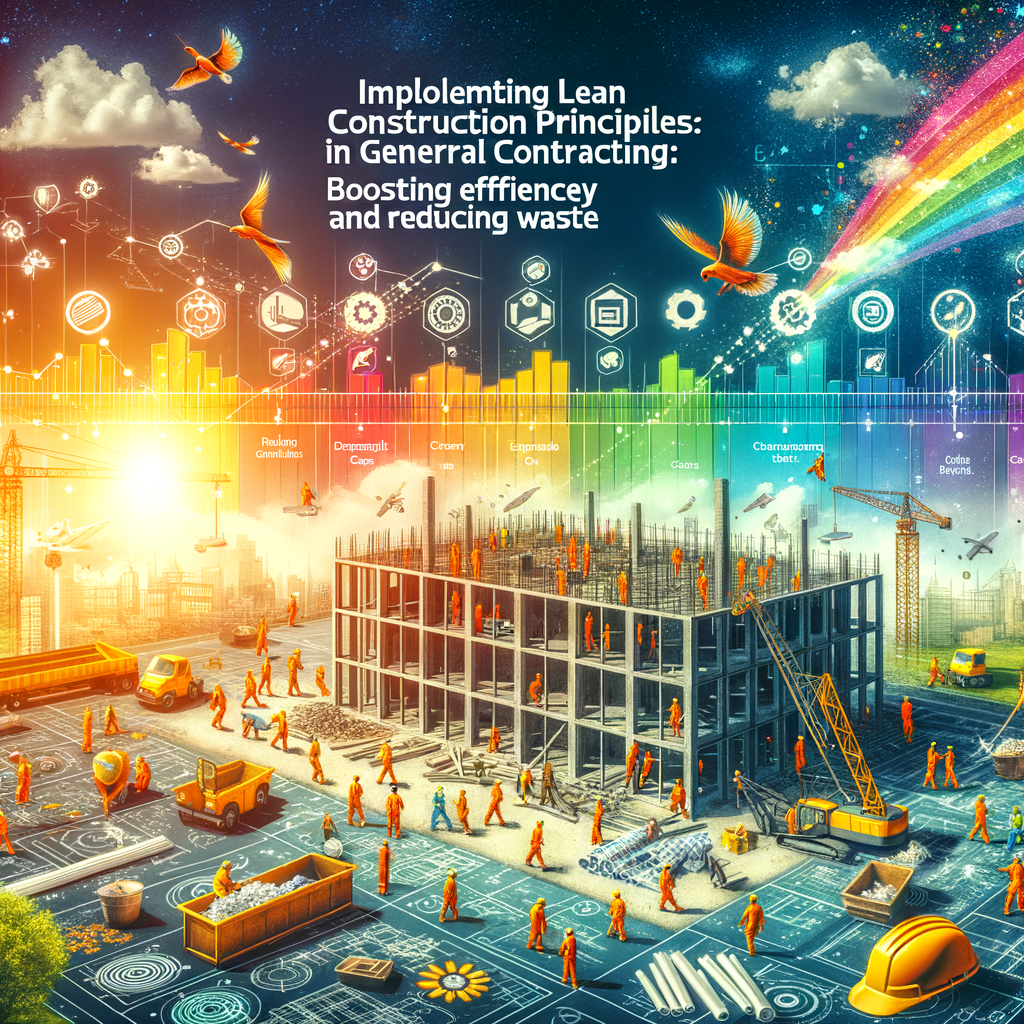
Discover how lean construction principles revolutionize general contracting by minimizing waste, streamlining workflows, and maximizing project value. Expert insights, actionable strategies, and real-world examples included.
By Berg General ContractorsApril 4, 20267 minutes read
01
Understanding Lean Construction: A Paradigm Shift in General Contracting
Lean construction represents a transformative approach in general contracting, focusing on maximizing value while minimizing waste throughout the project lifecycle. By adopting lean methodologies, contractors can streamline operations, enhance collaboration, and deliver projects with greater predictability and client satisfaction.
“Lean construction is about more than just cutting costs—it's about fostering a culture of continuous improvement and respect for every stakeholder.”
02
Core Principles of Lean Construction Applied to General Contracting
The integration of lean principles into general contracting hinges on specific core tenets that drive operational excellence and project success. Understanding these principles helps contractors address common inefficiencies and deliver superior outcomes.
- Value Definition: Clearly identifying what the client values most to align project goals and minimize unnecessary work.
- Value Stream Mapping: Visualizing and analyzing every step in the construction process to identify and eliminate bottlenecks.
- Flow Optimization: Ensuring seamless progression of tasks, materials, and information to reduce delays and rework.
- Pull Planning: Scheduling tasks based on actual demand rather than forecasts, promoting just-in-time delivery of resources.
- Continuous Improvement (Kaizen): Encouraging teams to regularly reflect and implement incremental improvements across all project phases.
03
Key Benefits of Lean Construction for General Contractors
Adopting lean construction strategies yields tangible benefits for general contractors, clients, and project stakeholders. These advantages extend beyond cost savings, influencing long-term business growth and reputation.
- Enhanced productivity and reduced downtime through workflow standardization.
- Minimized material waste and improved resource utilization.
- Greater transparency and communication among project teams.
- Accelerated project delivery and reduced schedule overruns.
- Improved safety outcomes due to organized and clutter-free worksites.
04
Implementing Lean Tools and Techniques on the Jobsite
Successful lean construction requires more than theoretical knowledge—it demands the practical application of proven tools and techniques. By integrating these into daily operations, general contractors can drive measurable improvements.
- Last Planner System: Collaborative scheduling tool that empowers trade partners to plan and coordinate tasks efficiently.
- 5S Organization: Systematic approach to organizing the jobsite for optimal efficiency and safety.
- Visual Management: Use of signage, dashboards, and color coding to communicate progress and issues in real-time.
- Daily Huddles: Short, focused meetings to align teams, address obstacles, and reinforce lean behaviors.
- Root Cause Analysis: Structured problem-solving to address underlying issues rather than superficial symptoms.
“Tools like the Last Planner System are game changers—they transform fragmented scheduling into a dynamic, collaborative process.”
05
Real-World Impact: Lean Construction Success Metrics
Tracking the effectiveness of lean initiatives is crucial for continuous improvement and stakeholder buy-in. The following table highlights key performance indicators (KPIs) used to measure lean construction success in general contracting.
| KPI | Traditional Approach | Lean Construction |
|---|---|---|
| Project Duration | Often Overruns | Consistently On-Time |
| Material Waste (%) | 10-15% | 2-5% |
| RFI Turnaround (Days) | 7-10 | 2-4 |
| Safety Incidents (per 100,000 hrs) | 5-7 | 2-3 |
06
Overcoming Challenges in Lean Construction Adoption
Despite its benefits, transitioning to lean construction can present challenges, particularly regarding cultural resistance and process inertia. General contractors must proactively address these barriers to realize the full potential of lean methodologies.
- Investing in comprehensive lean training for all team members.
- Securing executive leadership support to champion lean initiatives.
- Establishing clear metrics and accountability structures.
- Fostering open communication to surface concerns and share success stories.
- Piloting lean practices on smaller projects before scaling company-wide.
“The greatest obstacle to lean adoption is not technology—it's the willingness to challenge the status quo.”
07
The Future of Lean Construction in General Contracting
As the construction industry evolves, lean construction principles are becoming increasingly vital for general contractors seeking to stay competitive and resilient. Integrating digital tools, advanced analytics, and collaborative delivery models will further amplify lean's impact. How might your organization leverage lean construction to transform project outcomes and client relationships? Share your experiences or questions in the comments below.